Blog

How to Choose the Best Orthopedic Implant Supplier in China?
Choosing the right orthopedic implant supplier in China requires more than comparing prices or browsing polished websites. Patient safety depends on design control, material quality, manufacturing discipline, and reliable communication. As orthopedic surgeon Dr. Javad Parvizi has emphasized, “The patient is the center of everything we do.” That principle should guide every supplier evaluation.
A capable orthopedic implant supplier should provide clear evidence of quality management, product traceability, and regulatory compliance. Ask for relevant ISO 13485 certification, product registration details, testing reports, and documented risk-control procedures. Review how the company manages titanium, cobalt-chrome, PEEK, or other implant materials. Small details matter. Examine batch numbers, packaging seals, sterilization records, and inspection steps.
Do not stop at certificates. Request a factory audit, preferably with an experienced quality professional. Observe production areas, measuring equipment, cleanliness controls, and employee training. A serious supplier should explain its design history, validation process, complaint handling, and post-market surveillance. It should also communicate honestly when a product has limitations.
No supplier is flawless. That matters.
A supplier may have advanced equipment but weak documentation. Another may offer attractive prices but limited clinical support. These differences can affect consistency, delivery, and long-term confidence. Check references from hospitals, distributors, and orthopedic professionals. Confirm production capacity before signing any agreement. Ask difficult questions early.
This guide explains how to compare Chinese manufacturers more carefully. It examines qualifications, technical expertise, customization, pricing, communication, logistics, and after-sales responsibility. The goal is not to find the cheapest option. It is to identify a dependable partner whose processes can withstand professional scrutiny and protect patient outcomes.
Read more »
 By:Clara
- October 13, 2026

Top Orthopedic Surgical Instruments Manufacturers?
Choosing among the top orthopedic surgical instruments manufacturers requires more than comparing product catalogs. Hospitals need dependable instruments that perform consistently under pressure, during long procedures, and after repeated sterilization cycles. A polished website is not enough.
An experienced orthopedic surgical instruments manufacturer should demonstrate material expertise, manufacturing control, traceability, and responsive technical support. Look for stainless-steel quality, secure locking mechanisms, balanced handles, and clear instrument markings. These details matter in a crowded operating room, where poor grip or unclear sizing can slow a critical step.
Arthrex founder Reinhold Schmieding has stated, “It is our mission to help surgeons treat their patients better.” That principle offers a useful standard for evaluating manufacturers. Strong companies listen to surgeons, validate designs, and improve instruments through practical feedback. They also provide reliable documentation, training resources, and service after delivery.
However, no ranking is perfect. A manufacturer trusted for arthroscopy may not lead in trauma, spine, or joint replacement systems. Regional approvals, hospital procurement rules, surgeon preference, and distributor support can change the final choice. Claims about durability should be checked against testing data and user experience.
This guide examines leading manufacturers through quality, innovation, clinical relevance, regulatory discipline, and long-term value. It also considers less visible factors, such as replacement speed and instrument availability. The best supplier is not always the largest. It is often the one that consistently supports safe, precise, and efficient orthopedic care.
Read more »
 By:Amelia
- October 8, 2026
2026 Top Orthopedic Implants and Instruments Manufacturers
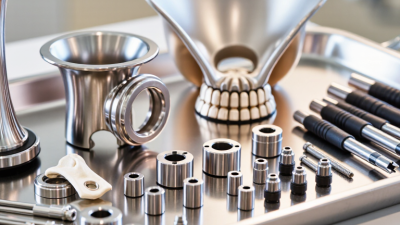
The 2026 Top Orthopedic Implants and Instruments Manufacturers guide examines companies shaping modern musculoskeletal care. It considers implant design, surgical instruments, manufacturing discipline, clinical evidence, and long-term support. The focus is not simply on sales volume or brand visibility. A reliable manufacturer must demonstrate consistent quality from raw material inspection to the final instrument tray.
Sir John Charnley, a pioneer of modern hip replacement, stated, “The aim of total hip replacement is to restore the patient to his former state of health.” That principle still matters. A polished femoral stem, a well-balanced acetabular cup, or a precise reamer has meaning only when it supports safe, reproducible patient care. Surgeons also need dependable packaging, clear instructions, accurate sizing, and instruments that perform under pressure.
This overview compares leading orthopedic implants and instruments manufacturers through an evidence-based lens. It considers regulatory quality systems, published clinical data, surgeon experience, product breadth, training, service coverage, and traceability. Practical details matter: a torque-limiting driver should feel controlled, cutting edges should remain consistent, and implant labels should be easy to verify during surgery.
No ranking is perfect. Market data can be incomplete. Clinical results may vary across hospitals, techniques, and patient populations. Therefore, this guide should support professional evaluation, not replace independent clinical judgment. The strongest manufacturers are not always the loudest. They are the companies that combine engineering precision, transparent evidence, responsive support, and a clear understanding of patient needs.
Read more »
 By:Evelyn
- October 3, 2026

How to Choose Orthopedic Implant Manufacturers in 2026
Choosing orthopedic implant manufacturers in 2026 requires more than comparing unit prices or polished catalogs. Implants may remain in a patient for years, so material control, validated processes, and clear traceability deserve close attention. A titanium alloy component, its surface finish, and its packaging record should connect to documented specifications. Details matter. Buyers should review quality-system certificates, audit findings, change-control procedures, and how each supplier investigates nonconformities. Ask for evidence relevant to the exact implant family, not broad promises about “premium” production. Good questions reveal gaps.
Consider whether the manufacturer can support design transfer, prototyping, verification testing, production scale, and reliable delivery. For custom or complex devices, examine engineering communication and the handling of drawings, revisions, and tooling ownership. Request applicable test summaries and clinical or post-market information, then have qualified regulatory and clinical teams assess them. Requirements differ by market and device. A supplier’s ability to explain limits can be as useful as its list of capabilities. Visit the production site when practical; watch how operators identify parts, control contamination, and record inspections. No supplier is perfect. Transparent records, timely answers, and consistent corrective action provide stronger signals than confident sales language. This guide outlines a practical way to compare orthopedic implant manufacturers and balance risk against cost. The right partner must fit the device, patient needs, and long-term responsibilities.
Read more »
By:Amelia
- September 29, 2026
7 Tips for Choosing the Right Orthopedic Implants Supplier?
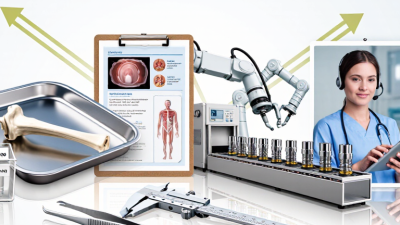
Choosing the right orthopedic implants supplier is a clinical, operational, and ethical decision. It affects patient safety, surgical consistency, inventory control, and long-term trust. A polished catalogue is not enough.
Dr. Daniel J. Berry, a respected joint-replacement surgeon, has emphasized a practical goal: “The purpose of joint replacement is to relieve pain and restore function.” That principle should guide every supplier conversation. A reliable orthopedic implants supplier must understand anatomy, surgical techniques, material science, sterilization, and hospital workflow. Their products should fit real operating-room conditions, not only laboratory specifications.
This guide presents seven practical tips for evaluating potential partners. It examines regulatory documentation, implant traceability, product quality, clinical evidence, manufacturing capacity, technical support, and communication. Ask to see batch records. Check how quickly product complaints are handled. Review whether the supplier can maintain stable dimensions across repeated orders. Small inconsistencies can become serious during surgery.
Look beyond price.
A lower quotation may hide training costs, delayed replacements, or weak after-sales support. Experience matters, but reputation alone is not proof. Request references from hospitals with similar procedure volumes. Compare their feedback carefully.
No supplier is perfect. That is worth admitting. Even an established orthopedic implants supplier may face recalls, shipping problems, or product changes. The real question is how openly the company responds. Transparent communication, documented corrective actions, and accessible clinical specialists reveal more than promotional claims.
The right partner should support safer decisions before, during, and after implantation. This article helps procurement teams ask sharper questions and avoid convenient assumptions.
Read more »
By:Amelia
- September 29, 2026

Why Choose an Orthopedic Implants Manufacturer?
Choosing an orthopedic implants manufacturer is a clinical and operational decision, not merely a purchasing choice. The World Health Organization’s World Report on Ageing and Health notes that the global population aged 60 and older is growing rapidly. More older patients may mean greater need for joint reconstruction and dependable implant supply. But demand alone does not prove quality.
The American Joint Replacement Registry’s 2024 Annual Report draws on real-world hip and knee arthroplasty data from participating U.S. hospitals and clinicians. Such registries help professionals examine implant use and outcomes over time. A capable orthopedic implants manufacturer should therefore offer more than a polished catalogue. Look for clear material specifications, documented quality controls, traceable production lots, and practical support for surgeons and hospitals. Ask how design changes are evaluated. Ask how complaints are reviewed. Small details matter.
On the operating table, a surgeon may need a precise instrument fit, consistent component sizing, and reliable delivery before a scheduled procedure. Those details are easy to overlook. They should not be. Evidence also has limits: registry findings reflect participating sites and may not answer every question about a specific product or patient. Manufacturers should present evidence transparently, without turning marketing claims into clinical conclusions. The right partner makes that scrutiny easier. Its technical documentation is accessible, its communication is direct, and its products are supported by appropriate clinical evidence. Perfection is not a realistic promise. Accountability is. For hospitals and clinicians, that distinction can help guide a safer, more informed evaluation.
Read more »
By:Evelyn
- September 29, 2026