0%

Choosing among the top orthopedic surgical instruments manufacturers requires more than comparing product catalogs. Hospitals need dependable instruments that perform consistently under pressure, during long procedures, and after repeated sterilization cycles. A polished website is not enough.

An experienced orthopedic surgical instruments manufacturer should demonstrate material expertise, manufacturing control, traceability, and responsive technical support. Look for stainless-steel quality, secure locking mechanisms, balanced handles, and clear instrument markings. These details matter in a crowded operating room, where poor grip or unclear sizing can slow a critical step.

Arthrex founder Reinhold Schmieding has stated, “It is our mission to help surgeons treat their patients better.” That principle offers a useful standard for evaluating manufacturers. Strong companies listen to surgeons, validate designs, and improve instruments through practical feedback. They also provide reliable documentation, training resources, and service after delivery.

However, no ranking is perfect. A manufacturer trusted for arthroscopy may not lead in trauma, spine, or joint replacement systems. Regional approvals, hospital procurement rules, surgeon preference, and distributor support can change the final choice. Claims about durability should be checked against testing data and user experience.

This guide examines leading manufacturers through quality, innovation, clinical relevance, regulatory discipline, and long-term value. It also considers less visible factors, such as replacement speed and instrument availability. The best supplier is not always the largest. It is often the one that consistently supports safe, precise, and efficient orthopedic care.
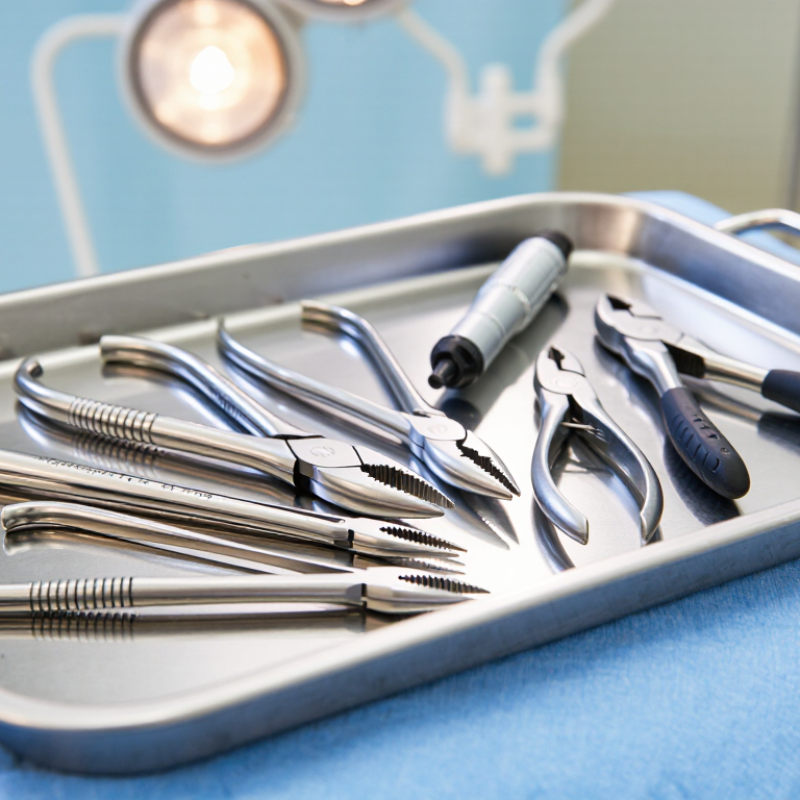
Top Orthopedic Surgical Instruments Manufacturers?

Orthopedic Surgical Instruments: Definition, Scope, and Main Product Types

Orthopedic Surgical Instruments: Definition, Scope, and Main Product Types

Orthopedic surgical instruments are reusable or single-use tools designed to cut, shape, hold, drill, or stabilize bone and soft tissue. Their scope covers trauma, joint replacement, spinal, sports medicine, and pediatric procedures. Common types include bone saws, osteotomes, drills, reamers, screwdrivers, reduction forceps, retractors, and arthroscopy instruments. Implants are different. Instruments place or prepare them.

Demand reflects a large clinical burden. The World Health Organization reports that about 1.71 billion people live with musculoskeletal conditions worldwide. The United Nations projects that one in six people will be aged 65 or older by 2050. These figures support continued need for reliable orthopedic tools, but they do not guarantee equal surgical access. That distinction matters. A manufacturer’s capability should be assessed through material traceability, dimensional accuracy, fatigue testing, cleaning validation, and compatibility with existing systems. The FDA Product Classification Database also shows that orthopedic tools may follow different regulatory pathways. Procurement teams should verify each device’s intended use and market authorization.

Tips: Check grip comfort with gloves. Review sterilization instructions before purchase. Compare lifecycle cost, not only unit price. Ask for test evidence and maintenance guidance. A low price can hide repair delays. I would also question overly broad claims about “universal” compatibility. In practice, small tolerances can affect screw engagement, cutting control, and operating time. Surgical experience, engineering review, and documented quality records should guide the final choice.

Orthopedic Surgical Instruments: Definition, Scope, and Main Product Types

Orthopedic surgical instruments are specialized tools used to cut, shape, hold, retract, measure, drill, and stabilize bone and joint structures.

The chart shows the number of representative instrument families included in each major product category. The scope covers commonly used orthopedic tools for bone preparation, fixation, exposure, reduction, and implant-related procedures. These values describe product-type coverage rather than market share or manufacturer performance.

Criteria for Evaluating Orthopedic Instrument Manufacturers

Top Orthopedic Surgical Instruments Manufacturers?

Choosing top orthopedic surgical instruments manufacturers requires more than comparing catalog size. Evaluate how instruments perform in real operating rooms, under repeated cleaning, sterilization, and heavy manipulation. Surgeon feedback matters. So does evidence from controlled testing.

Material traceability should cover steel grade, heat treatment, surface finishing, and corrosion resistance. Check dimensional tolerances for cutting guides, reamers, and drill sleeves. Instruments must also remain easy to inspect, clean, and sterilize. The WHO Global Guidelines for the Prevention of Surgical Site Infection reports that surgical-site infections affect about 11% of patients in low- and middle-income countries. This makes cleanability and processing instructions practical safety criteria, not marketing details.

A credible manufacturer should operate an ISO 13485 quality system and apply ISO 14971 risk-management methods. Request validation records, complaint trends, corrective-action reports, and lot-level traceability. Ask whether durability testing reflects actual orthopedic loads, not only laboratory conditions. AAMI ST79 guidance also supports documented steam-sterilization practices and routine monitoring. The supplier should explain these requirements clearly.

No manufacturer is perfect. Published fatigue data can be surprisingly thin. That weakness deserves questions. Visit the production site when possible, review inspection equipment, and compare replacement rates from hospitals with similar surgical volumes. Independent audits and transparent technical files usually reveal more than awards or attractive brochures.

Leading Global Manufacturers and Their Specialty Product Lines

Global orthopedic instrument manufacturing is increasingly divided by clinical specialty, production scale, and regulatory capability. Fortune Business Insights reported that the global orthopedic devices market reached about USD 52 billion in 2023. This demand supports manufacturers serving trauma, spine, sports medicine, and joint reconstruction.

The strongest suppliers usually offer complete specialty product lines. Trauma portfolios may include locking plates, intramedullary nails, screws, and reduction tools. Arthroscopy lines often contain shavers, graspers, cannulas, and disposable tubing. Spine specialists develop retractors, interbody systems, pedicle screw instruments, and navigation-compatible tools. Joint reconstruction manufacturers focus on cutting blocks, trial implants, reamers, and powered handpieces. Grand View Research identifies minimally invasive procedures and robotic assistance as important growth factors in orthopedic technology.

Precision matters greatly. Small alignment errors can affect surgical workflow and implant positioning. Manufacturers therefore invest in CNC machining, surface finishing, sterilization validation, and ISO 13485 quality systems. Many also provide surgeon training and instrument-tray optimization. Practical support matters.

Not every supplier performs equally across regions. A 2024 MarketsandMarkets analysis noted strong competition in powered instruments, navigation, and trauma fixation. Yet market reports often combine implants with instruments, which can blur comparisons. Buyers should verify product-level data, clinical evidence, service response times, and compatibility with existing operating-room systems. Low purchase prices may create hidden costs through repairs, missing instruments, or repeated sterilization failures. That deserves closer review.

Manufacturing Standards, Materials, and Quality Control Practices

Top orthopedic surgical instrument manufacturers are judged by more than production volume. Their manufacturing standards must protect patients during repeated sterilization, handling, and implantation procedures. ISO 13485 certification supports documented risk management and traceability. ASTM F899 also guides stainless steel selection for surgical instruments. Common materials include martensitic stainless steel, cobalt-based alloys, titanium, and medical-grade polymers. Each material must resist corrosion, fatigue, and surface damage.

Quality control should begin with verified raw materials, not the final inspection. Manufacturers should test hardness, tensile strength, corrosion resistance, cutting performance, and dimensional accuracy. Laser marking must remain readable after many sterilization cycles. WHO’s Global Patient Safety Action Plan estimates that one in ten patients experiences harm in healthcare, with more than half considered preventable. OECD’s Health at a Glance 2023 reports adverse events in about 6.5% of hospital admissions across selected countries. These figures make small instrument defects clinically important.

Strong manufacturers maintain batch records, calibrated gauges, and supplier audits. They also use visual inspection under controlled lighting. No audit is flawless. A polished surface can still hide microscopic inclusions. I would require sampling plans, failure analysis, and corrective-action evidence before approval. The weakest practice is often rushed documentation. Good instruments should perform consistently, not merely look precise.

Choosing an Orthopedic Surgical Instrument Manufacturer for Clinical Needs

Choosing an orthopedic surgical instrument manufacturer requires more than comparing catalog prices. Clinical use demands dependable performance, clear documentation, and consistent supply. A useful evaluation begins with the procedure: bone quality, implant system, surgeon preference, and operating-room workflow. A delicate rongeur needs controlled jaw movement, while a retractor must maintain strength under repeated pressure.

Review the manufacturer’s quality system and production controls. Certification to ISO 13485 can indicate structured medical-device processes, but it should not replace practical verification. Request material certificates, dimensional records, cleaning guidance, and sterilization compatibility data. Traceability matters when an instrument develops a surface defect or fails inspection. Ask how the manufacturer manages batch records, inspection results, and corrective actions.

Test samples before making a broad purchasing decision. Check grip comfort with gloves, hinge movement, ratchet accuracy, and resistance to corrosion after repeated processing. Small details matter. A handle that feels acceptable for five minutes may cause fatigue during a long reconstruction procedure. Packaging should protect sharp edges and identify the instrument clearly. Delivery reliability also affects clinical planning, especially when replacement parts are needed quickly.

A polished catalog can still hide weaknesses. Some specifications may be incomplete, and hospital feedback may reveal problems that laboratory testing misses. Invite surgeons, nurses, and sterile-processing staff to assess the instruments together. Their comments may conflict, which is useful. The best choice is usually the manufacturer that responds clearly, documents changes, and supports real clinical requirements without overstating performance.

FAQS

What are orthopedic surgical instruments?

They are reusable or single-use tools for cutting, shaping, holding, drilling, or stabilizing bone and soft tissue. They support trauma, joint, spine, sports medicine, and pediatric procedures. Implants are different. Instruments prepare or position them.

What are the main types of orthopedic instruments?

Common types include bone saws, osteotomes, drills, reamers, screwdrivers, reduction forceps, and retractors. Arthroscopy instruments support minimally invasive joint procedures. Each tool should match the procedure and implant system.

How should a manufacturer’s quality be evaluated?

Review material traceability, steel grade, heat treatment, surface finishing, and corrosion resistance. Check dimensional accuracy for reamers, cutting guides, and drill sleeves. A certificate alone is not enough.

Why are cleaning and sterilization instructions important?

Instruments face repeated cleaning, sterilization, and heavy handling. Poor cleanability can leave residue around hinges, ratchets, or narrow channels. Clear processing instructions reduce avoidable risks.

What should hospitals test before placing a large order?

Test samples with surgical gloves and realistic handling. Check grip comfort, hinge movement, ratchet accuracy, sharpness, and corrosion resistance. A five-minute grip test may miss fatigue during long surgery.

Should buyers compare only the purchase price?

No. Compare lifecycle cost, repair delays, replacement parts, maintenance, and processing needs. A low unit price can hide frequent repairs or slow replacements. Price is only one piece.

How can buyers assess compatibility with existing systems?

Confirm intended use, dimensions, screw engagement, and interface requirements. Do not rely on broad “universal” claims. Small tolerances can change cutting control and operating time.

What evidence should a credible manufacturer provide?

Request material certificates, dimensional records, fatigue testing, cleaning validation, and lot-level traceability. Review complaint trends and corrective-action records when available. Some durability data may be surprisingly thin.

Who should participate in the final instrument review?

Surgeons, nurses, engineers, and sterile-processing staff should assess the instruments together. Their opinions may conflict. That is useful. Real workflow feedback can expose weaknesses that laboratory tests miss.

Conclusion

Orthopedic surgical instruments are specialized tools used in procedures involving bones, joints, muscles, and supporting tissues. This article explains their scope and main product categories, including cutting, grasping, retracting, drilling, measuring, and implant-related instruments. It also outlines the key factors for evaluating an orthopedic surgical instruments manufacturer, such as product precision, ergonomic design, durability, customization capabilities, production capacity, and technical support.

The discussion further examines how leading manufacturers develop specialty product lines while meeting strict manufacturing standards. Material selection, corrosion resistance, sterilization compatibility, dimensional accuracy, traceability, and quality control are essential considerations throughout production. For hospitals, distributors, and surgical teams, choosing the right manufacturer requires matching instrument performance and reliability with clinical requirements, procedural compatibility, regulatory expectations, delivery needs, and after-sales service. A careful comparison of these factors can support safer procedures, efficient workflows, and consistent long-term value.

Amelia

Amelia

Amelia is a professional marketing specialist dedicated to helping businesses understand products, connect with customers, and achieve sustainable growth through clear, effective communication. With extensive knowledge of the company’s product portfolio, she regularly researches market trends,......