The 2026 Top Orthopedic Implants and Instruments Manufacturers guide examines companies shaping modern musculoskeletal care. It considers implant design, surgical instruments, manufacturing discipline, clinical evidence, and long-term support. The focus is not simply on sales volume or brand visibility. A reliable manufacturer must demonstrate consistent quality from raw material inspection to the final instrument tray.
Sir John Charnley, a pioneer of modern hip replacement, stated, “The aim of total hip replacement is to restore the patient to his former state of health.” That principle still matters. A polished femoral stem, a well-balanced acetabular cup, or a precise reamer has meaning only when it supports safe, reproducible patient care. Surgeons also need dependable packaging, clear instructions, accurate sizing, and instruments that perform under pressure.
This overview compares leading orthopedic implants and instruments manufacturers through an evidence-based lens. It considers regulatory quality systems, published clinical data, surgeon experience, product breadth, training, service coverage, and traceability. Practical details matter: a torque-limiting driver should feel controlled, cutting edges should remain consistent, and implant labels should be easy to verify during surgery.
No ranking is perfect. Market data can be incomplete. Clinical results may vary across hospitals, techniques, and patient populations. Therefore, this guide should support professional evaluation, not replace independent clinical judgment. The strongest manufacturers are not always the loudest. They are the companies that combine engineering precision, transparent evidence, responsive support, and a clear understanding of patient needs.
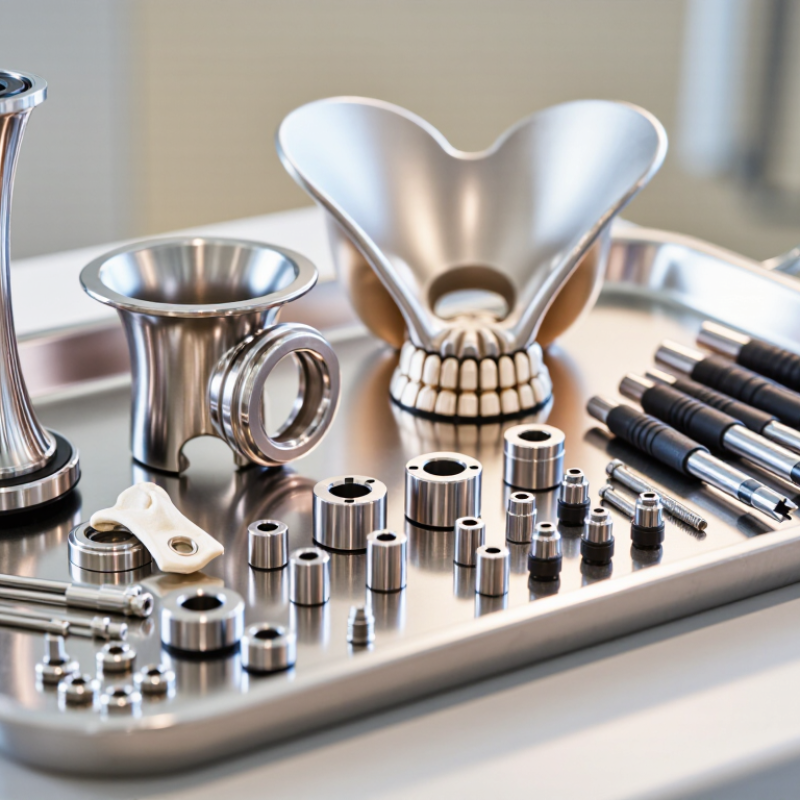
Orthopedic implants are medical devices placed inside the body to restore stability, alignment, or movement. Common examples include joint replacement components, trauma fixation plates, screws, nails, spinal implants, and sports-medicine anchors.
Instruments are the tools used to prepare tissue and position these devices. They include drills, saws, reamers, guides, trial components, retractors, and torque-controlled drivers.
The boundary is not always clear. Navigation systems and robotic accessories may support implantation without becoming implants themselves. That distinction affects market statistics. Grand View Research estimated the global orthopedic devices market at approximately USD 47.7 billion in 2023, with continued growth expected through 2030. Fortune Business Insights also reported strong expansion in orthopedic devices, although its estimate differs because it groups products differently. Definitions matter.
A credible manufacturer should control material traceability, dimensional accuracy, sterilization processes, and post-market monitoring. ISO 13485 supports quality management, while ISO 14971 guides medical-device risk management. Biocompatibility testing under ISO 10993 is also relevant for patient-contacting materials.
In practice, a small surface defect can affect fixation, while an inaccurate instrument may alter implant placement. That risk is easy to underestimate. Manufacturing claims should therefore be checked against regulatory filings, clinical evidence, and independent testing, not promotional language. Market rankings remain useful, but they are imperfect when regional definitions, product categories, and revenue methods are not identical.
The 2026 orthopedic implant market is shaped by clinical need, not product volume alone. According to Grand View Research, the global orthopedic devices market reached approximately USD 47.4 billion in 2023. The report projects continued growth through 2030, supported by aging populations and rising musculoskeletal disorders.
Joint reconstruction remains a major category. Hip and knee implants restore mobility after severe osteoarthritis, fractures, or joint failure. The World Health Organization reports that osteoarthritis affected about 528 million people worldwide in 2019. Spinal implants support decompression, stabilization, and fusion procedures. Trauma systems use plates, screws, nails, and external fixation devices for complex fractures. Small joints need smaller designs and careful alignment.
Precision matters.
Surgical instruments form the practical link between implant design and clinical results. Cutting guides, reamers, drills, trial components, and navigation tools help surgeons prepare bone accurately. Minimally invasive instruments may reduce tissue disruption, but they can increase demands on visibility and technique. This trade-off deserves more attention. The FDA emphasizes biocompatibility, mechanical performance, sterility, and evidence-based evaluation for orthopedic devices. Manufacturers therefore need reliable testing, traceable materials, and clear instructions for use. Market reports often combine implants, instruments, and related equipment, which can make comparisons imperfect. Clinical registries and long-term follow-up remain essential for judging loosening, infection, wear, and revision risk.
How to Evaluate Orthopedic Manufacturers in 2026
Choosing an orthopedic implant or instrument manufacturer requires more than comparing catalog prices. In 2026, evaluate documented quality, clinical evidence, production capability, and long-term support. Ask whether the company maintains a certified quality management system, controlled design records, and complete material traceability. A reliable manufacturer should explain how it validates sterilization, packaging, fatigue strength, corrosion resistance, and instrument durability. Request current testing reports, not attractive summaries.
Experience matters in practical settings. Review feedback from surgeons, operating-room staff, and distributors who use the products repeatedly. Examine instrument balance, grip texture, cleaning access, and compatibility with established surgical workflows. Also check training resources, complaint handling, recall procedures, and post-market surveillance. A polished catalog proves little. Supply continuity matters too. Confirm production capacity, inspection procedures, lead times, and backup plans for critical components. No evaluation is flawless. Independent technical review can expose risks that sales materials hide.
Tips: Build a written scorecard before contacting suppliers. Separate mandatory requirements from preferences. Visit the facility when possible, and observe inspection records, not only machines. Compare three or more manufacturers using identical questions. Ask for unresolved complaint trends and corrective-action evidence. Be cautious when answers sound perfect. Real manufacturing includes variation, delays, and occasional failures; trustworthy suppliers explain how they detect and correct them. Reassess performance after procurement, because approval should not end the evaluation.
| Evaluation Dimension | Product or Process Area | Recommended Verification Metric | Recognized Standard, Regulation, or Reference | What Strong Evidence Looks Like | Priority |
|---|---|---|---|---|---|
| Quality Management System | Manufacturing, design control, supplier control, corrective actions | Current third-party certification with no unresolved major nonconformities | ISO 13485:2016; FDA Quality Management System Regulation, effective February 2, 2026 | Valid certificate, defined scope covering the relevant orthopedic devices, recent audit history, and documented CAPA effectiveness | Critical |
| Regulatory Authorization | Implants and reusable or single-use surgical instruments | Product-specific market authorization and traceable regulatory status | EU Medical Device Regulation (EU) 2017/745; applicable national requirements; U.S. FDA device pathways | Declaration or clearance documentation, technical documentation references, post-market surveillance plan, and clear intended-use statements | Critical |
| Risk Management | Biological, mechanical, clinical, use-related, and sterilization risks | Complete risk file linked to design inputs, verification, validation, and post-market data | ISO 14971:2019 | Hazard analysis, risk-control traceability, residual-risk evaluation, benefit-risk assessment, and documented review of foreseeable misuse | Critical |
| Biocompatibility | Metallic, polymeric, ceramic, coating, and adhesive patient-contacting materials | Biological evaluation based on contact type, duration, and material composition | ISO 10993-1:2018 and applicable parts of the ISO 10993 series | Material characterization, toxicological assessment, cytotoxicity and sensitization data where applicable, and justification for any testing omissions | Critical |
| Material Traceability | Titanium alloys, cobalt-chromium alloys, stainless steels, polymers, ceramics, and coatings | Heat-lot, batch, supplier, and processing traceability from raw material to finished device | ISO 13485:2016; applicable ASTM material specifications | Material certificates, incoming inspection records, lot genealogy, controlled supplier list, and retention of records throughout the product life cycle | Critical |
| Mechanical Performance | Joint replacements, trauma plates, screws, spinal implants, and fixation systems | Strength, fatigue life, wear, torsion, pullout, subsidence, or construct performance appropriate to the device | ASTM F75, ASTM F90, ASTM F136, ASTM F138, ASTM F1717, ASTM F543, ASTM F382, ASTM F2077, and relevant device-specific standards | Validated test protocols, statistically supported results, worst-case configurations, acceptance criteria, and independent or accredited laboratory reports | Critical |
| Wear and Corrosion Control | Bearing couples, modular junctions, porous surfaces, and mixed-metal assemblies | Wear volume, particle characterization, corrosion resistance, fretting behavior, and galvanic compatibility | ASTM F1877, ASTM F561, ASTM F746, ASTM F897, ISO 14242 series, and applicable device-specific methods | Long-duration simulator testing where relevant, corrosion test conditions, wear-particle analysis, surface-finish controls, and rationale for material combinations | Critical |
| Surface Engineering | Porous coatings, plasma-sprayed coatings, polished surfaces, anodized titanium, and antimicrobial or functional surfaces | Coating adhesion, thickness, roughness, porosity, cleanliness, and consistency across production lots | ASTM F1147, ASTM F1854, ASTM F1978, ASTM F86, and validated internal methods | Defined surface specifications, validated cleaning process, coating inspection records, adhesion testing, and production-lot acceptance data | High |
| Sterilization Assurance | Sterile implants, sterile instruments, and sterilization-compatible packaging | Validated sterilization cycle, required sterility assurance level, and routine process monitoring | ISO 11135 for ethylene oxide; ISO 11137 for radiation; ISO 17665 for moist heat; ISO 11737 for bioburden and sterility testing | Validated cycle parameters, biological and physical indicators where applicable, load configuration rationale, and periodic requalification records | Critical |
| Reusable Instrument Reprocessing | Retractors, targeting guides, trial components, cutting tools, and powered instrument accessories | Validated cleaning, disinfection, inspection, packaging, and sterilization instructions | ISO 17664-1:2021; ISO 15883 series; AAMI TIR30 where applicable | Worst-case soil testing, lumen and joint cleaning validation, visual inspection criteria, maximum reuse limits, and clear instructions for use | Critical |
| Dimensional Accuracy | Implant geometry, screw interfaces, instrument fit, cutting guides, and trial systems | Conformance to approved drawings, tolerances, gauge results, and functional fit requirements | ISO 13485 design and production controls; ISO 1101 geometric tolerancing; calibrated measurement systems | CMM or validated measurement records, gauge calibration, first-article inspection, process capability monitoring, and documented nonconformance control | High |
| Packaging and Shelf Life | Sterile barrier systems, implant trays, instrument cases, and transportation packaging | Package integrity, seal strength, distribution performance, and expiry-date justification | ISO 11607-1 and ISO 11607-2; ASTM D4169; ASTM F88; ASTM F1929 | Accelerated-aging and real-time-aging plans, seal validation, transport simulation, microbial-barrier evidence, and clearly defined storage conditions | High |
| MRI and Imaging Safety | Implants and instruments exposed to magnetic resonance environments | MR Conditional, MR Safe, or MR Unsafe classification supported by tested conditions | ASTM F2503; ASTM F2052; ASTM F2213; ASTM F2182 | Magnetic displacement, torque, RF-heating, and artifact data with field strength, SAR, gradient, and scanning-condition limits | High |
| Clinical Evidence | Primary and revision arthroplasty, trauma fixation, spinal systems, and instrument-supported procedures | Clinical data relevant to intended use, patient population, comparator, follow-up duration, and revision risk | EU MDR clinical evaluation requirements; ISO 14155:2020; applicable clinical practice and registry methodologies | Peer-reviewed evidence, post-market clinical follow-up, validated endpoints, transparent inclusion criteria, and clinically meaningful follow-up periods | Critical |
| Post-Market Surveillance | Complaints, adverse events, field actions, revisions, and trend detection | Complaint rate, reportability assessment, time to investigation, trend analysis, and corrective-action closure | EU MDR post-market surveillance requirements; applicable FDA medical-device reporting and recall requirements | Periodic safety reports, complaint trending, vigilance procedures, recall-readiness records, and documented feedback into design and manufacturing controls | Critical |
| Supply Chain Resilience | Critical raw materials, machining, coating, sterilization, packaging, and logistics | Approved alternate suppliers, lead-time controls, business-continuity planning, and critical-process capacity | ISO 13485 supplier-control requirements; documented business-continuity and change-control procedures | Supplier qualification records, dual-source strategy where feasible, capacity review, disaster-recovery plan, and notification process for material or process changes | High |
| Manufacturing Technology | CNC machining, additive manufacturing, forging, molding, laser processing, and automated inspection | Process validation status, repeatability, scrap control, capacity, and inspection coverage | ISO 13485 production-process validation; ISO/ASTM 52900 series for additive manufacturing terminology and process control | Validated special processes, machine qualification, in-process inspection, statistical process control, powder or material controls, and documented change management | High |
| Digital and Data Security | Connected planning software, digital surgical workflows, electronic quality records, and customer portals | Access control, backup, vulnerability management, audit trails, and software life-cycle governance | IEC 62304 for medical-device software; ISO 27001 information-security controls where applicable; applicable cybersecurity guidance | Software-risk classification, secure development process, penetration testing where appropriate, patch policy, user permissions, and recovery testing | High |
| Sustainability and Compliance | Energy use, waste, packaging, restricted substances, and responsible sourcing | Documented environmental objectives, material declarations, waste controls, and measurable improvement indicators | ISO 14001 environmental management principles; applicable chemical, packaging, and waste regulations | Environmental certification or equivalent controls, supplier declarations, recycling programs, emissions data, and responsible-material sourcing policies | Medium |
| Note: The standards and regulations listed above are internationally recognized reference points. The applicable requirements depend on device type, intended use, risk classification, market, material, sterilization method, and whether the product is an implant, reusable instrument, or software-enabled system. Quantitative supplier rankings should be based on verified audit records, regulatory documentation, clinical evidence, and product-specific test results rather than marketing claims alone. | |||||
In 2026, leading orthopedic implant manufacturers compete through engineering depth, clinical evidence, and dependable production. Their portfolios often include joint reconstruction, trauma fixation, spinal systems, and surgical instruments. Market strength depends on more than product volume. It reflects consistent quality, surgeon training, responsive service, and access to regional hospitals. Manufacturers with advanced titanium processing can support lightweight fixation designs and precise surface finishes. Others focus on cobalt-chrome components, high-performance polymers, or patient-specific planning tools. Materials matter greatly.
Reliable manufacturers also invest in testing and traceability. Each implant should connect to documented design controls, sterilization procedures, and careful inspection records. Instrument makers gain trust through balanced handles, clear markings, and durable cutting edges. Small details matter in a crowded operating room. Their strongest teams collect feedback from surgeons, nurses, engineers, and patients. That practical experience can reveal problems that laboratory testing misses. Still, no manufacturer gets everything right. New navigation systems may improve precision but add training demands and technical dependence. Some marketing claims also sound stronger than the available long-term evidence. Buyers should examine peer-reviewed studies, regulatory history, revision data, and local support before choosing a supplier. Cost remains important, yet the cheapest contract can create hidden burdens through delays, replacements, or limited service. Market leadership is therefore earned through repeatable performance, transparent evidence, and the humility to improve.
Global orthopedic implant market mix by application, based on rounded public industry estimates for 2024.
Joint reconstruction represents the largest application area, followed by spinal implants, trauma fixation, and sports medicine. Manufacturer strength is typically supported by broad product portfolios, regulatory approvals, surgical instrumentation, distribution coverage, and research capabilities.
Innovation in orthopedic devices now means more than adding advanced materials. Manufacturers are refining implant surfaces, navigation tools, and patient-specific instruments. In clinical evaluations, small design changes can reduce preparation time and improve surgical consistency. A textured surface may support bone integration, but long-term evidence remains essential. New software can map anatomy within minutes, yet poor data quality can still mislead a surgical team.
Regulation is becoming more demanding and more practical. Manufacturers must document material safety, manufacturing controls, cybersecurity, and post-market performance. Traceability matters when an implant is used years after production. Digital records should connect the device, lot number, sterilization history, and follow-up results. These systems improve reliability, although smaller facilities may struggle with cost and staff training. Innovation without implementation is incomplete.
Tips: Compare clinical evidence, not promotional claims. Ask how testing reflects real bone conditions, repeated loading, and diverse patient anatomy. Review instrument cleaning steps before adoption. Confirm software updates, data protection, and user training responsibilities. Consider repair access and replacement timelines. Do not assume a lighter implant is automatically better. Future trends will likely include bioactive coatings, patient-matched planning, robotic assistance, and connected monitoring. Some predictions will fail. That is normal. Careful measurement should guide the next decision.
Implants are devices placed inside the body to restore stability, alignment, or movement.
Check material traceability, dimensional accuracy, sterilization controls, and post-market monitoring.
Traceability connects an implant with its material, production lot, sterilization history, and follow-up records.
Quality systems should address manufacturing consistency and risk management.
Yes. A small surface defect may affect fixation or tissue interaction.
Compare clinical studies, repeated-loading tests, and results involving varied patient anatomy.
Review cleaning steps, sterilization compatibility, repair access, and replacement timelines.
Software can map anatomy quickly, but poor data may mislead the surgical team.
No. Lower weight does not automatically mean better fixation or durability.
Rankings offer a rough comparison, not a final judgment.
This article presents a practical overview of orthopedic implants and instruments, defining their role in restoring mobility, supporting bone healing, and improving musculoskeletal care. It examines major product categories, including joint replacement systems, trauma fixation devices, spinal implants, surgical instruments, and navigation or robotic assistance tools, while explaining their typical clinical applications. The discussion also highlights how these products are selected according to patient needs, surgical objectives, material performance, compatibility, and long-term safety.
The article further explains how to evaluate orthopedic manufacturers in 2026 by considering product quality, research capability, manufacturing consistency, regulatory compliance, clinical evidence, supply reliability, and technical support. It compares the strengths of leading global manufacturers without focusing on specific brand names and explores industry trends such as personalized implants, additive manufacturing, smart instruments, digital planning, minimally invasive procedures, and sustainable production. Innovation, patient safety, transparent regulation, and continuous clinical validation are identified as key factors shaping the future development of orthopedic devices.