Featured Orthopedic Implants & Surgical Systems for Russian Importers
Fully compliant with ISO 13485 standards, optimized for Russian surgical protocols in traumatology, neurosurgery, and arthroscopy.
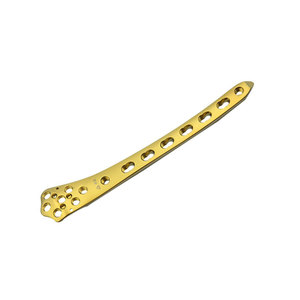
Minimally Invasive Femoral Proximal Locking Plate
Anatomically contoured Ti-6Al-4V titanium plate designed for distal & proximal lateral femoral fracture fixation with combi-locking holes.
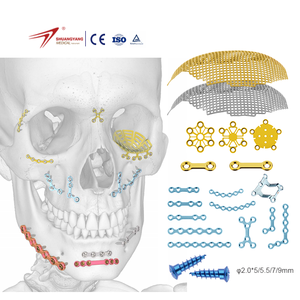
Maxillofacial Cranial Implant Titanium Mesh System
Ultra-thin, 3D malleable ASTM F67 Grade 2 pure titanium mesh for cranioplasty, skull reconstruction, and maxillofacial trauma care.
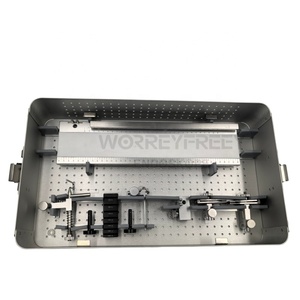
ACL PCL Reconstruction Surgical Instrument Set
Precision surgical drill guides, tendon strippers, and femoral aimers engineered for knee ligament repair and endoscopic arthroscopy.
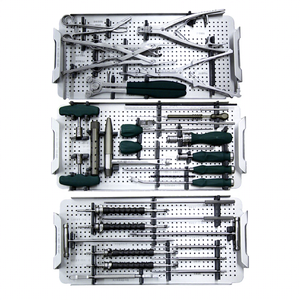
COXII Pedicle Screw-Rod 6.0 Spinal Fixation System
Low-profile, dual-thread titanium pedicle screw system with friction-head polyaxial options and cannulated screws for vertebroplasty.
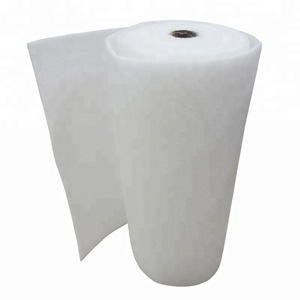
Thermal Bonded Polyester Orthopedic Padding Roll
High-grade synthetic hollow fiber padding for orthopedic cast underlayment, splint protection, and post-fracture compression wrapping.
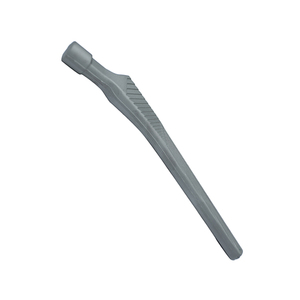
Forged Ti6Al4V Primary Hip Joint Prosthesis System
Plasma-sprayed hydroxyapatite (HA) coated cementless femoral stem for total hip replacement with superior fatigue strength.
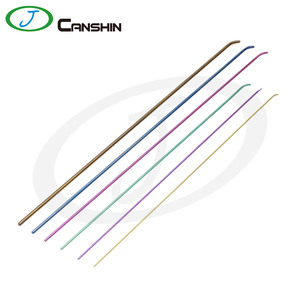
Titanium Elastic Intramedullary Nails (TEN System)
High-elasticity titanium alloy nails designed for pediatric diaphyseal long bone fractures and specialized veterinary surgical care.
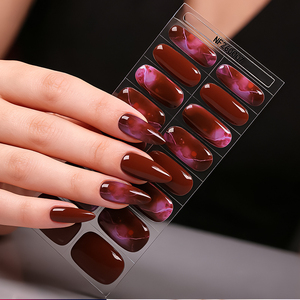
Clinical Sterile Prep & Barrier Protection Wraps
Long-lasting protective barrier wraps for pre-operative clinical hand hygiene, nail art protection, and surgeon sterile prep integrity.
Navigating the Russian Orthopedic Implant Market: Procurement & Localization Dynamics
Shift Towards Certified Asian OEM Exporters under Import Substitution (Импортозамещение)
The healthcare sector across the Russian Federation—spanning major municipal clinical centers in Moscow and Saint Petersburg to regional traumatology hospitals in Novosibirsk, Yekaterinburg, and Kazan—is undergoing a profound structural transformation. Historical reliance on Western European and North American orthopedic device brands has given way to high-precision manufacturing partnerships with ISO 13485 certified Chinese factories.
Russian medical device distributors, regional healthcare departments, and private surgical clinics are prioritizing suppliers capable of providing uninterrupted logistics corridors, direct RMB/Ruble financial settlement mechanisms, and comprehensive technical documentation necessary to obtain state registration certificates from Roszdravnadzor (Federal Service for Surveillance in Healthcare). As an established original equipment manufacturer (OEM) and exporter, our facility bridges this critical gap by combining Western-grade metallurgical precision with optimized supply chain agility.
Strict Compliance with GOST & ASTM Standards
Implants delivered to the Russian market must strictly meet GOST R and international metallurgical standards. Our titanium plates, intramedullary nails, and pedicle screws utilize pure titanium (ASTM F67 Grade 2/3) and Ti-6Al-4V ELI titanium alloy (ASTM F1472 / ASTM F136), providing superior tensile strength exceeding 930 MPa.
Roszdravnadzor Technical Dossier Packaging
Registration of foreign medical devices in Russia requires rigorous toxicology reports, mechanical fatigue test data (ASTM F1717 for spine, ASTM F382 for trauma), biocompatibility testing (ISO 10993), and clinical trial equivalence protocols. We provide complete technical files to streamline your local registration process.
Direct Financial & Rail Logistics Corridors
We support direct VTB/Sberbank RMB-to-Ruble invoicing and utilize dedicated China-Europe railway express corridors (via Manzhouli/Zabaikalsk and Alashankou/Dostyk) as well as maritime shipping to Vladivostok and St. Petersburg, ensuring seamless customs clearance and reliable lead times.
Targeted Surgical Solutions Designed for Russian Traumatology & Orthopedic Centers
1. Severe Climate Trauma & High-Energy Fracture Care
Extreme winter conditions across Russia lead to a seasonal surge in complex periarticular and long bone fractures caused by slippery ice conditions and transport accidents. Russian traumatologists require locking plate systems with dynamic compression capability and multi-angle locking options.
Our Minimally Invasive Femoral Proximal Locking Plates and Intramedullary Tibial Nails feature anatomical pre-contouring that minimizes intraoperative bending. The low-profile plate design reduces soft tissue irritation, while submuscular MIPO insertion techniques accelerate bone healing and reduce post-operative infection risks in cold weather recovery environments.
2. Degenerative Spinal Disease & Vertebral Osteoporosis Management
Demographic aging in major Russian urban centers has increased demand for robust thoracolumbar spinal stabilization systems. Patients suffering from degenerative disc disease, spondylolisthesis, and osteoporotic compression fractures require versatile fixation platforms.
The COXII Pedicle Screw-Rod 6.0 System incorporates friction-head polyaxial screws that accommodate complex rod geometry without sacrificing pull-out strength. For severe osteoporotic cases, our cannulated fenestrated pedicle screws allow controlled polymethylmethacrylate (PMMA) bone cement augmentation, creating anchored stability even in compromised vertebral bone mass.
3. Maxillofacial & Neurosurgical Cranioplasty Reconstruction
Neurosurgical departments across Russian regional emergency hospitals frequently perform decompressive craniectomies following severe head trauma. Reconstructing cranial defects requires biomaterials that combine precise anatomical fitting with radiolucency and corrosion resistance.
Our Neurosurgery Maxillofacial Titanium Mesh System uses Grade 2 commercially pure titanium with optimized micro-porosity to facilitate osteointegration and vascularization. The mesh is easily trimmed and contoured manually or formatted via 3D patient-specific titanium printing protocols to restore natural cranial aesthetics.
4. Joint Arthroplasty & Reconstructive Sports Medicine
As sports medicine and elective joint replacements expand under federal quotas (VMP - Высокотехнологичная Медицинская Помощь) in Russia, surgical centers demand high-end reconstructive tools and joint prostheses that match premium European performance at competitive factory prices.
Our Forged Ti6Al4V Hip Joint Prosthesis features a plasma-sprayed Hydroxyapatite (HA) dual coating to promote rapid secondary biological fixation, paired with ultra-high-molecular-weight polyethylene (UHMWPE) acetabular liners. Complementing this, our ACL/PCL Reconstruction Instrument Sets enable precise tunnel placement and stable graft tensioning during complex knee arthroscopies.
Factory-Direct OEM Partnership vs. Traditional Foreign Brand Import
Why leading Russian medical distributors are transitioning to custom OEM/ODM manufacturing partnerships.
| Evaluation Parameter | Traditional European/US Implants | Factory-Direct OEM Solution (Our Offer) | Advantage for Russian Distributors |
|---|---|---|---|
| Procurement Unit Cost | High brand markup (300%–500% premium) | Direct manufacturing cost price | Maximizes profit margins in hospital tenders |
| Roszdravnadzor Support | Rigid, limited customized file sharing | Full customized technical dossier & testing raw data | Accelerates official registration approvals |
| Payment & Settlement | Restricted USD/EUR bank transfers | Direct RUB / RMB settlement via VTB & Sberbank | Eliminates currency conversion risks & sanctions blockers |
| Private Labeling & OEM | Not available / Strict manufacturer branding | 100% customized laser marking, trays, & packaging | Builds the Russian distributor's own brand equity |
| Sterilization Options | Non-sterile bulk or high-cost pre-sterilized | Gamma sterilized (SAL 10⁻⁶) cleanroom packs | Reduces hospital autoclave processing workload |
| Supply Chain Lead Time | Unpredictable due to complex logistics rerouting | Direct Rail Express & Vladivostok maritime routes | Guaranteed 25-35 day door-to-door delivery |
State-of-the-Art Production & Quality Management Facilities
5-Axis CNC Precision Machining
Our factory floor is equipped with high-precision 5-axis Swiss-type automatic lathes and DMG MORI machining centers. This guarantees sub-micron dimensional accuracy for delicate screw threads, locking mechanisms, and smooth surface finishes that minimize tissue friction.
Class 10,000 Cleanroom & Gamma Sterilization
All sterile implant packaging takes place inside certified Class 10,000 (ISO 7) cleanrooms. Implants are packaged in double-layer Tyvek blisters and subjected to Cobalt-60 gamma radiation sterilization, achieving a Sterility Assurance Level (SAL) of 10⁻⁶.
Complete Metallurgical Traceability
Every single bone plate, screw, or nail is laser-marked with a unique batch matrix code. We provide raw material mill inspection certificates (Certificate 3.1) tracing every chemical element and mechanical yield test back to the original titanium ingot source.
Frequently Asked Questions by Russian Medical Device Buyers
Detailed answers regarding technical documentation, customs, payment options, and minimum order quantities.
Partner with a Top-Tier Orthopedic OEM Exporter Today
Expand your product catalog in the Russian market with certified titanium implants, reliable supply chains, and full Roszdravnadzor registration support.
Get a Quote