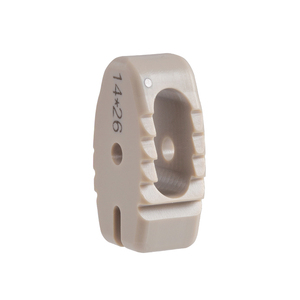
Spinal Implants PLIF PEEK Cage & Cervical Cage for Spine Fixation
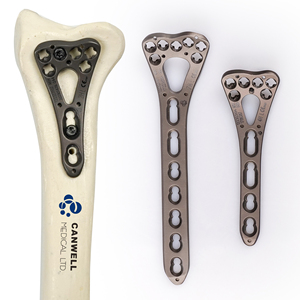
CANWELL 2.4/2.7mm Titanium Distal Palmar Radius Variable Angle Locking Plate
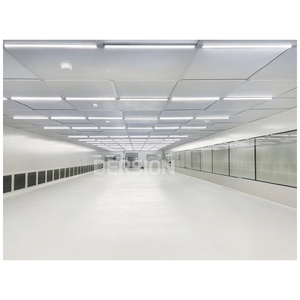
ISO Class 7 Cleanroom Processed Trauma Implants & Sterile Packaging
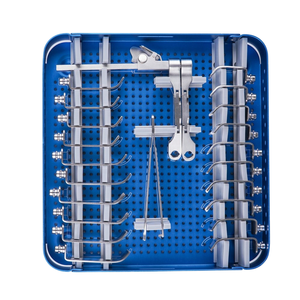
Stainless Steel Manual Spinal Distractor & Retractor Surgical Instrument Set
Precision Machined Medical Fixation Components & Custom Accessories
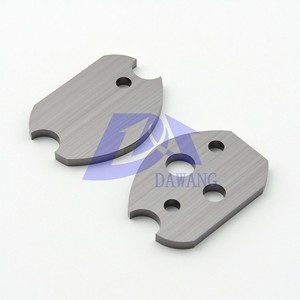
CNC Machined Wire-EDM Bone Locking Plates for Small Fragment Trauma
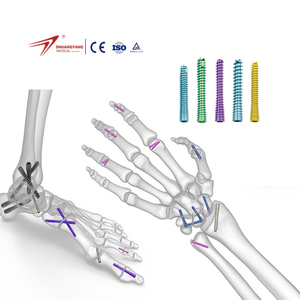
Titanium Cannulated Compression Screws & Herbert Bone Screws
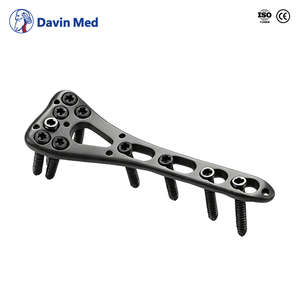
Titanium Distal Radius Variable Angle Locking Plate System
Engineering Standards & Supply Chain Dynamics for Ethiopian Traumatology
An in-depth analysis of small fragment locking compression plate (LCP) systems, anatomical pre-contouring biomechanics, EFDA compliance frameworks, and logistics corridors connecting Chinese manufacturing to Ethiopian surgical centers.
Information Gain Executive Insight: High-altitude surgical environments in Addis Ababa (2,355 meters elevation) combined with complex peri-articular trauma patterns necessitate titanium alloys with elevated fatigue limits (≥860 MPa yield strength) and low-profile plate geometry. This report provides technical parameters for healthcare procurement managers, trauma surgeons, and medical device importers across Ethiopia.
1. Executive Summary: Small Fragment Traumatology in East Africa
Traumatology in East Africa, particularly within the Federal Democratic Republic of Ethiopia, is experiencing a paradigm shift. Rapid urban infrastructure development, industrial growth along major manufacturing corridors (such as Hawassa, Kombolcha, and Dire Dawa), and increased vehicular transport on the Addis Ababa-Adama Expressway have significantly raised the incidence of peri-articular fractures, distal radius dislocations, distal fibula fractures, and complex clavicular disruptions.
Managing these upper and lower extremity injuries requires high-precision Small Fragment Locking Plate Systems (predominantly 2.4mm, 2.7mm, and 3.5mm configurations). As public teaching hospitals such as Tikur Anbessa Specialized Hospital (Black Lion Hospital), St. Paul's Hospital Millennium Medical College, and regional referral hubs expand their orthopedic surgical capacities, sourcing reliable, anatomically pre-contoured, and biocompatible locking plates from certified Chinese manufacturers has become a strategic priority for Ethiopian medical importers.
2. Metallurgical & Biomechanical Architecture of Small Fragment Locking Plates
The success of internal fracture fixation relies heavily on plate geometry, screw-to-plate locking thread interface integrity, and raw material purity. Small fragment plates are specialized implants designed for anatomical zones where soft-tissue envelopes are minimal and delicate, requiring low-profile hardware to eliminate soft-tissue irritation, tendon friction, and wound dehiscence.
Titanium Alloy (Ti-6Al-4V ELI)
Compliant with ASTM F136 and ISO 5832-3 standards. Provides superior biocompatibility, lower elastic modulus (110 GPa) to reduce stress shielding, and elevated tensile strength compared to traditional 316L stainless steel.
Combi-Hole Technology
Integrates dynamic compression unit (DCU) slots with threaded locking holes. Allows orthopedic surgeons to achieve absolute compression across the fracture gap or rigid angular stability within a single construct.
Variable Angle (VA) Polyaxial Locking
Enables up to ±15° polyaxial screw trajectory cone. Essential for targeting small osteochondral fragments in intra-articular distal radius (AO/OTA 23-C3) fractures without compromising screw engagement.
Mechanical Specifications Comparison Matrix
The table below highlights critical physical and biomechanical parameters comparing standard 316L Stainless Steel small fragment plates against advanced Medical-Grade Titanium Locking Compression Systems supplied by premium Chinese manufacturers:
| Technical Parameter | Ti-6Al-4V ELI Titanium Alloy (ASTM F136) | 316L Surgical Stainless Steel (ASTM F138) | Clinical Relevance in Ethiopian Traumatology |
|---|---|---|---|
| Tensile Strength (Min) | 860 - 930 MPa | 490 - 690 MPa | Resists cyclic fatigue under heavy weight-bearing loads. |
| Modulus of Elasticity | 110 GPa | 200 GPa | Matches human cortical bone closer, minimizing stress shielding. |
| MRI Artifact Rating | Low (Non-magnetic) | High (Ferromagnetic Interference) | Allows post-operative neurovascular imaging clarity. |
| Anodization Treatment | Type II Electrochemical Anodization | Passivation Only | Prevents cold welding and color-codes screw hole dimensions. |
| Fatigue Limit (10⁷ Cycles) | > 600 MPa | > 310 MPa | Ensures hardware integrity during delayed fracture healing. |
3. Localized Application Scenarios Across Ethiopian Healthcare Facilities
Ethiopia's healthcare system presents distinct clinical environments ranging from high-capacity tertiary trauma centers in Addis Ababa to rural referral hospitals in regional states (Amhara, Oromia, Sidama, Somali, and SNNPR). Small fragment locking plates serve pivotal roles across three primary medical scenarios:
Scenario A: Level-1 Emergency Trauma Hubs
Primary Facilities: Tikur Anbessa (Black Lion) Hospital, St. Paul's Hospital, Alert Trauma Center.
Clinical Need: High throughput emergency polytrauma fixation. Pre-contoured 2.4/2.7mm distal radius plates and 3.5mm distal fibula plates reduce operating room (OR) bending time, allowing surgical teams to double daily trauma case capacity.
Scenario B: Regional General & Teaching Hospitals
Primary Facilities: Jimma University Medical Center, Hawassa Comprehensive Specialized Hospital, Gondar University Hospital.
Clinical Need: Delayed fracture presentation (malunions/nonunions). Requires high pull-out force locking screws with fenestrated options to secure osteopenic or calloused bone structures effectively.
Scenario C: Private Specialty Clinics
Primary Facilities: Korean Hospital (MCM), Silk Road Hospital, Kadisco General Hospital.
Clinical Need: Premium aesthetic and low-profile implants. Variable angle palmar distal radius plates with smooth tapered edges prevent flexor pollicis longus (FPL) tendon rupture, ensuring rapid outpatient recovery.
4. Strategic Trends Driving Chinese Orthopedic Export to Ethiopia
The trade corridor between Chinese medical device manufacturers and Ethiopian healthcare procurement agencies has evolved beyond simple spot-market purchasing into structured strategic partnerships. Several macroeconomic and regulatory trends define this market shift:
A. EFDA Mandatory Pre-Market Registration & Audit Compliance
The Ethiopian Food and Drug Authority (EFDA) has implemented rigorous pre-market regulatory frameworks under Directive No. 493/2021. Medical device importers can no longer register implants without comprehensive Device Master Files (DMF), ISO 13485 Quality System Management certificates, CE Mark compliance, and mill test certificates validating raw titanium sourcing. Top-tier Chinese exporters provide fully digitized regulatory dossiers, accelerating EFDA product clearance from 12 months down to expedited review windows.
B. Transition to Gamma Sterilization Single-Use Packaging
Hospital-acquired infections (HAI) and autoclaving bottlenecks in high-volume Ethiopian hospitals have accelerated the demand for pre-sterilized, single-pack bone plates and locking screws. Implants processed via Cobalt-60 (Co-60) Gamma Irradiation—delivering a Sterility Assurance Level (SAL) of 10⁻⁶—eliminate hospital sterilization overheads and guarantee 5-year shelf life under tropical humidity and temperature conditions.
C. Comprehensive Surgical Instrument Trays & Clinical Education
Ethiopian orthopedic residency programs produce over 40 board-certified surgeons annually. Leading Chinese exporters support these professionals by shipping modular, color-coded surgical instrument sets (including self-holding StarDrive screwdrivers, drill guides, depth gauges, and bone holding forceps) alongside bilingual surgical technique manuals and hands-on sawbone training models.
5. Manufacturing Supremacy: Behind China’s Premier Implants
Top Chinese medical device manufacturers utilize advanced industrial machining automation to produce small fragment locking compression plates that match or surpass global tier-1 standards while maintaining cost-effective pricing for developing healthcare markets.
5-Axis CNC & Wire-EDM Milling
Machined on Swiss-type automatic lathes (Citizen & DMG MORI). Guarantees tolerance precision within ±0.005mm, preventing screw cross-threading in locking plate holes.
ISO Class 7 Cleanroom Washing
Automated multi-stage ultrasonic washing removes all cutting oils, particulates, and bio-burden prior to final seal in ISO Class 7 cleanrooms.
Laser Traceability & Anodization
Each plate features deep laser-etched lot numbers, matrix QR codes, and color-coded Type II anodization (2.4mm Blue, 2.7mm Green, 3.5mm Gold) for fast OR selection.
6. Localized Procurement FAQ for Ethiopian Healthcare Importers
What EFDA registration documents do Chinese manufacturers provide to Ethiopian importers?
How do Ethiopian buyers manage foreign currency (USD/ETB) and Letter of Credit (L/C) payments?
What is the standard shipping lead time from China to Addis Ababa Bole Airport or Djibouti Port?
Are instrument trays custom-configurable for Ethiopian hospital surgical sets?
How do your small fragment locking plates prevent screw back-out under cyclic loads?
Do you offer OEM private label manufacturing for Ethiopian medical distributors?
Empower Ethiopian Healthcare with World-Class Trauma Fixation
Partner directly with China's leading ISO 13485 certified orthopedic implant exporter. Get direct manufacturer pricing, EFDA regulatory files, and reliable shipping logistics for your hospital or distribution business.
Get a Quote