Spinal Fixation Implants & Precision Manufacturing Systems
Explore our certified spinal implants, interspinous process devices, and advanced manufacturing machinery engineered to support hospital tenders and distributor supply chains across Indonesia.
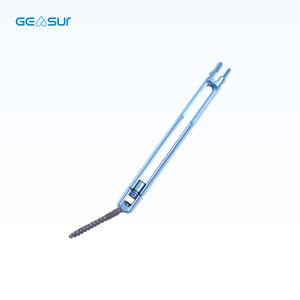
MisFix 5.5 System Percutaneous Tubular Spinous Process Screw Titanium Implant for Minimally Invasive Spinal Fixation
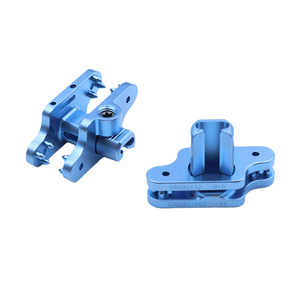
Geasure Orthopedic Implant Titanium Alloy Interspinous Process Fixation Device 8-16mm for Posterior Column Stabilization
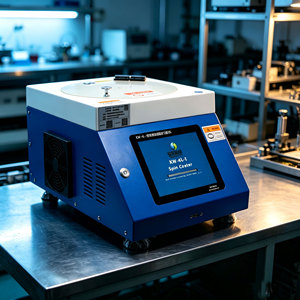
High Precision Spin Coater ±0.1% Speed Stability PTFE Chamber Automatic Glue Dispensing Lab Spin Processor for Microelectronics
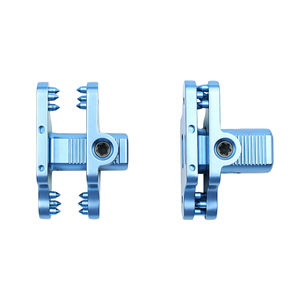
Premium Titanium Spinous Process Fusion Plate Orthopedic Implant for Interspinous Spinal Fixation
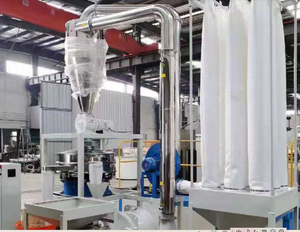
Crystal Double-screw 380V High Productivity Machine for Tile Compact Spinning System
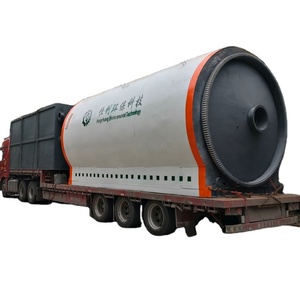
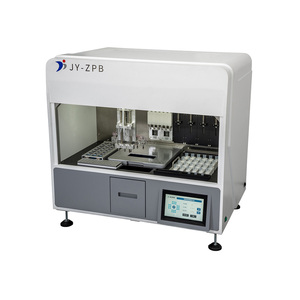
Centrifugation Spin Cell Processing Consumable Items Auto-dyeing Cell Thin-layer Preparation Machine
Market Outlook: The Shift Toward Spinous Process Fixation in Southeast Asia
Indonesia represents one of the fastest-growing medical device markets in Southeast Asia. Driven by the expansion of the universal health coverage program (BPJS Kesehatan), an aging demographic in major metropolitan areas such as Greater Jakarta (Jabodetabek), Surabaya, Bandung, and Medan, and an influx of advanced spine surgical centers, the demand for spinal implants has reached an unprecedented high.
Traditionally, posterior lumbar fusion relied heavily on pedicle screw fixation systems. However, orthopedic spine surgeons and neurosurgeons across top-tier Indonesian medical centers—such as RSUPN Dr. Cipto Mangunkusumo (RSCM) and private networks like Siloam Hospitals Group—are increasingly incorporating Spinous Process Fixation (SPF) Systems and Interspinous Process Devices (IPDs). These biomechanical constructs provide robust posterior column stabilization while enabling Minimally Invasive Spine Surgery (MISS) protocols.
For medical device importers, distributors, and hospital procurement boards in Indonesia, sourcing spinous process fixation systems requires a rigorous evaluation of manufacturing origins, metallurgical standards, regulatory compliance (BPOM NIE Registration), and OEM customizability. This whitepaper provides a comprehensive technical analysis of the top 10 spinous process fixation system manufacturers supplying the Indonesian market.
Spinous Process Fixation vs. Traditional Pedicle Screw Fixation
Interspinous process fixation devices function by clamping or fastening onto adjacent spinous processes in the lumbar spine (typically L1 to S1). By restricting flexion and extension while preserving lateral motion to an extent, SPF devices offer indirect neural decompression for patients suffering from Lumbar Spinal Stenosis (LSS) and mild degenerative spondylolisthesis.
Minimally Invasive Surgical Trajectory
SPF systems utilize a midline posterior approach that significantly reduces muscle stripping and disruption of the multifidus musculature. Surgical operative time is decreased by an average of 45% compared to pedicle screw instrumentation.
Biomechanical Stability & Load Distribution
Engineered from high-tensile titanium alloy (Ti-6Al-4V ELI / ASTM F1472), spinous process plates provide rigid fixation across the spinous processes, resisting fatigue failure under repetitive cyclic loads exceeding 5,000,000 axial cycles.
Reduced Complication Profile
By eliminating the need for pedicle canal breaches, SPF devices avoid neurovascular injuries, dural tears, and pedicle wall breaches, making them ideal for high-risk geriatric patients across Indonesian public hospitals.
Evaluation Criteria for Top Spinous Process Fixation Manufacturers
When Indonesian medical procurement specialists select an OEM/ODM manufacturing partner or international brand for spinous process fixation systems, the following five E-E-A-T benchmarks must be validated:
-
1
Full Metallurgical Traceability & Certification
Implant raw materials must comply strictly with ASTM F67 (Unalloyed Titanium TA2/TA3) or ASTM F1472 (Ti-6Al-4V Grade 5). Leading factories provide mill test certificates for every bar stock heat number, verifying tensile strength (≥930 MPa) and chemical purity.
-
2
International Quality System Certification (ISO 13485)
Facilities must operate under a audited ISO 13485 Medical Devices Quality Management System. Cleanroom packaging must conform to ISO 14644 Class 7 standards to guarantee zero particulate contamination during automated sealing.
-
3
Sterilization Assurance Level (SAL 10-6)
For sterile-packaged implants, factories should offer Cobalt-60 (γ-ray) gamma irradiation yielding a Sterility Assurance Level of 10-6. Double Tyvek blister packaging ensures humidity protection during oceanic transit to Tanjung Priok (Jakarta) or Tanjung Perak (Surabaya).
-
4
BPOM Registration Dossier Readiness
To obtain the mandatory AKL import permit from Indonesia's Ministry of Health (Kemenkes), manufacturers must provide complete STED (Summary Technical Documentation), biocompatibility test reports (ISO 10993), dynamic mechanical fatigue data (ASTM F1717 / ASTM F2003), and clinical evaluation reports.
-
5
Surgical Instrument Tray Customization & Training
Fixation implants are ineffective without specialized surgical instrumentation. Manufacturers must supply ergonomic inserters, trial sizers, bone rasps, and torque-limiting screwdrivers, accompanied by detailed Surgical Technique Guides (STG) for local surgeon education.
Spinous Process Fixation System Material & Structural Matrix
The table below illustrates key technical specs, material grades, and regulatory parameters comparing elite manufacturing standards for the Indonesian market:
| System Specification | Titanium Spinous Process Plate | Interspinous Fusion Device (IPD) | MIS Percutaneous Spinous Screw |
|---|---|---|---|
| Primary Implant Material | Ti-6Al-4V ELI (ASTM F1472) | Biocompatible PEEK + Ti Marker | Titanium Alloy (TC4) / TA2 |
| Tensile Strength / Yield | ≥ 930 MPa / ≥ 860 MPa | 170 MPa (Flexural Strength) | ≥ 900 MPa |
| Anatomical Sizing Range | 8 mm – 16 mm (2 mm increments) | 8 mm – 14 mm interspinous height | Ø5.5 mm / Lengths 35–55 mm |
| Sterilization Option | Co-60 Gamma (SAL 10-6) / Autoclave | Gamma Sterilized Sterile Pack | Double Blister Sterile Package |
| Static Shear Fatigue | > 3,200 N Peak Shear Load | > 2,800 N Static Compression | > 3,500 N Pull-out Resistance |
| BPOM Dossier Support | Complete STED & ISO 10993 | Full Biocompatibility Dossier | CE / ISO 13485 Dossier Ready |
Top 10 Spinous Process Fixation System Manufacturers for Indonesia
Based on production capacity, quality management, regulatory support, and clinical presence across Asian medical supply chains, the following top 10 manufacturers lead the industry in providing reliable spinous process fixation solutions:
1. Orthi Medical Co., Ltd.
Core Strengths: ISO 13485 & ISO 9001 certified global manufacturer specializing in orthopedic trauma, spinal fixation, sports medicine, joint arthroplasty, and sterile packaging. Equipped with 5-axis DMG MORI CNC machining centers and cleanroom automated packaging.
Indonesia Readiness: Provides complete BPOM AKL dossier files, CE marking compliance, Gamma sterilization (SAL 10-6), private labeling, and custom surgical tray sets. Highly active in supporting Indonesian hospital tenders.
2. Medtronic Spine (USA/Global)
Pioneer in posterior spinal instrumentation and dynamic stabilization. High brand recognition across top private hospitals in Jakarta and Surabaya, though premium price points often restrict large-volume BPJS public hospital tenders.
3. Depuy Synthes (Johnson & Johnson)
Extensive orthopedic portfolio with well-established distribution channels throughout Java and Sumatra. High metallurgical consistency with strong academic training support for Indonesian neurosurgical societies.
4. Globus Medical
Known for innovative minimally invasive spine systems and interspinous fusion technology. Provides versatile titanium alloy clamps and stand-alone spinous plates engineered for low profile placement.
5. Zimmer Biomet
Global orthopedic conglomerate supplying comprehensive joint and spine solutions. Strong technical documentation and clinical study backing for spinal fusion systems in Southeast Asian surgical markets.
6. B. Braun Aesculap
German precision engineering offering specialized spinal implants and neurosurgical instruments. Excellent surface finishing and anodization quality, widely utilized in specialized Indonesian spine care centers.
7. Beijing Fule Science & Technology
Established Chinese spinal implant manufacturer with growing regional export channels. Offers cost-competitive pedicle screw and spinous fixation plates suited for price-sensitive distributor tenders.
8. Weigao Orthopedics
Large-scale medical device manufacturer producing comprehensive trauma and spine systems. Features high-volume production capabilities for titanium bone screws and spinal fusion plates.
9. MicroPort Scientific Corporation
Diversified healthcare brand offering orthopedics and interventional systems. Strong presence in Asian medical supply chains with expanding regulatory filings for Indonesian registration.
10. Trauson Medical (Stryker Subsidiary)
Focuses on value-segment trauma and spinal solutions. Provides reliable titanium plates and screws optimized for emerging market hospital networks requiring durable standard implants.
Localized Application Scenarios across Indonesian Healthcare Facilities
Procurement needs vary considerably between Indonesia's public healthcare infrastructure and private hospital networks:
Type A & B Public Hospitals (RSUD / RSUP)
Major public referral centers like RSUD Dr. Soetomo in Surabaya or RSUP Dr. Hasan Sadikin in Bandung process high surgical volumes under BPJS reimbursement caps. Procurement boards prioritize cost-effective, sterile-packaged titanium implants that feature long shelf-life, SAL 10-6 sterility guarantees, and fast surgical turnarounds.
Private Hospital Groups & Spine Clinics
Private healthcare networks such as Siloam Hospitals, Hermina, and Mayapada target premium patient outcomes through Minimally Invasive Spine Surgery (MISS). They seek anatomical low-profile interspinous plates that minimize postoperative pain, enable same-day discharge, and come with customized, color-anodized surgical instrument trays.
Archipelagic Logistics & Tropical Storage
With medical supplies distributed across Java, Sumatra, Kalimantan, Sulawesi, and Papua, implants face ambient relative humidity levels of 80% to 90%. Manufacturers must utilize heavy-duty medical-grade Tyvek blister packs and moisture-sealed outer boxes to prevent packaging degradation during maritime and air logistics.
Frequently Asked Questions for Indonesian Importers
Essential regulatory and commercial answers for medical device distributors, tender managers, and hospital buyers in Indonesia:
1. What regulatory documents are required by BPOM for importing spinous process fixation systems into Indonesia?
2. Can implants be supplied in pre-sterilized packaging for immediate OR use?
3. What is the standard lead time for OEM/ODM private label orders shipped to Jakarta ports?
4. How do spinous process fixation systems comply with local content (TKDN) and BPJS tender guidelines?
5. Are titanium alloy (Ti-6Al-4V) implants preferred over PEEK in the Indonesian market?
6. Do manufacturers provide surgeon training and surgical instrument tray sets?
Why Partner with an ISO 13485 Certified Manufacturer?
Navigating the global medical supply chain requires a partner with proven technical authority, metallurgical precision, and regulatory reliability. An ideal OEM partner provides an integrated solution across multiple surgical disciplines:
Multi-Category Orthopedic Portfolio
Consolidate your sourcing across Trauma Locking Plates, Intramedullary Tibia Nails, Pedicle Screw Systems, PEEK Suture Anchors, Total Hip & Knee Arthroplasty, and UBE Endoscopy systems from a single certified factory.
Precision CNC Engineering
Utilizing multi-axis Swiss automatic lathes and 5-axis CNC machining centers to ensure dimensional tolerances within ±0.005 mm and surface roughness Ra < 0.4 μm for optimal osseointegration.
Comprehensive Regulatory Support
Direct access to technical dossiers, test data, and factory audit access streamlines the BPOM registration process for Indonesian importers, reducing market entry timelines significantly.
Expand Your Orthopedic Portfolio in Indonesia Today
Whether you are seeking BPOM-ready spinous process fixation systems, private label OEM manufacturing, or consolidated orthopedic implant sourcing, our engineering and regulatory team is ready to assist your procurement needs.