Featured Surgical Implants & Instrumentation
Precision-engineered orthopedic devices certified for trauma, spine, joint reconstruction, and minimally invasive procedures across global medical centers.
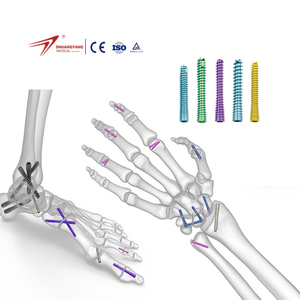
Shuangyang Price Titanium Orthopedic Screws Surgical Implants Herbert Cannulated Compression Screw Surgical Screws
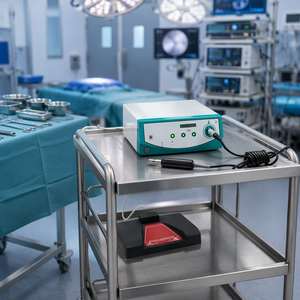
Electric Endoscopic Surgery System Set for Transforaminal Discectomy Spine Endoscopy Shaver System
Bone China Irregular Flower Shape Dinner Plate with Gold Rim,Gold Edge Charger Plates for Hotel Wedding
Orthopedic Titanium Self-Tapping Screw Orthopedic Bone Plate Implant Interventional Material For Hospital Use
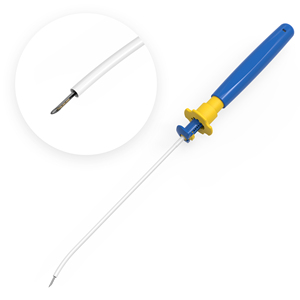
CANWELL Meniscal Repair System Arthroscopic Surgery Meniscus Sutura Device Tap Fast Fix All Inside Orthopedic CE
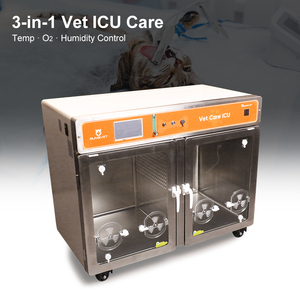
OliveVet Stainless Steel Dog Cat Oxygen Therapy Incubator Cabin Animal Pet Pets Veterinary ICU Cage
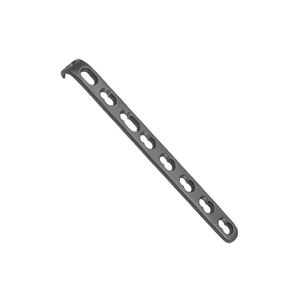
Orthopedic Implant Medial Ulna Olecranon Locking Plate Class III Surgical Intervention Hengchee/OEM/ODM Model 1227
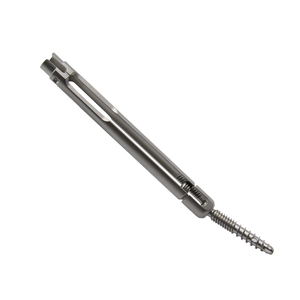
Factory Price High Quality Orthopedic Surgical Implants 5.5mm Minimally Invasive Polyaxial Screw for Spinal Surgery
1. Strategic Overview: Demand for Orthopedic Cable Systems in the Israel Market
The healthcare architecture of the State of Israel represents one of the world's most advanced medical ecosystems, administered under the regulatory oversight of the Ministry of Health (MOH - Misrad HaBriut) and driven by four major Health Maintenance Organizations (Kupot Holim: Clalit, Maccabi, Meuhedet, and Leumit). Israel's surgical traumatology and joint reconstruction sector experiences sustained growth, prompted by an aging population with high active life expectancy, a growing incidence of osteoporotic fractures, and world-renowned clinical research hubs such as Sheba Medical Center at Tel HaShomer, Hadassah Medical Center in Jerusalem, Tel Aviv Sourasky Medical Center (Ichilov), and Rambam Health Care Campus in Haifa.
In periprosthetic femoral fractures, complex revision total hip arthroplasty (THA), and non-union osteotomies, traditional rigid locking plates or monofilament cerclage wires frequently face mechanical limitations. Monofilament stainless steel wires are vulnerable to premature fatigue failure, sharp corner stress concentrations, and vascular periosteal stripping. Consequently, Israeli orthopedic surgeons and hospital procurement teams increasingly mandate advanced multi-strand braided orthopedic cable systems. Manufactured from bio-inert Titanium Alloy (Ti-6Al-4V ELI) or Cobalt-Chromium-Molybdenum (Co-Cr-Mo) alloys, these systems deliver exceptional fatigue life, high dynamic tension retention, and low-profile crimping geometry essential for preserving tissue integrity.
AMAR Registration Support
Complete technical documentation dossiers (STED), ISO 13485:2016 validation, and CE Mark MDR test reports formulated specifically to expedite registration with the Israeli Ministry of Health (AMAR).
High Tensile Fatigue Life
Engineered with multi-filament 7x7 cable braiding architecture to eliminate catastrophic brittle fractures and provide optimal fatigue resistance under dynamic weight-bearing stresses.
Modular System Integration
Fully compatible with trochanteric grip plates, bypass locking plates, subperiosteal cable passers, and calibrated tensioning guns customized for private label distributors in Tel Aviv and Haifa.
2. Metallurgical Architecture & Biomechanical Engineering Standards
An orthopedic cable system is not merely a metallic wire; it is a precision tensioning mechanism subject to high cyclic fatigue load within aggressive physiological saline environments. Our manufacturing process enforces rigorous metallurgical standards in compliance with international surgical implant benchmarks.
2.1 Material Synthesis: Ti-6Al-4V ELI vs. ISO 5832-7 Co-Cr-Mo
We supply cerclage cabling systems in two primary biocompatible alloys, allowing Israeli orthopedic departments to align implant selection with patient-specific bone density, hip revision geometry, and existing stem metallurgy:
- Titanium Alloy (Ti-6Al-4V ELI / ASTM F136): Offers an elastic modulus (110 GPa) closely matching cortical bone compared to stainless steel (200 GPa). This significantly reduces stress shielding around periprosthetic femoral fractures, promotes bony callus formation, and guarantees MRI compatibility with minimal artifacts.
- Cobalt-Chromium-Molybdenum Alloy (Co-Cr-Mo / ISO 5832-7): Utilized where extreme tensioning force (up to 1,000 N) and maximum resistance to fretting corrosion are required, particularly when passed through rigid metallic trochanteric plates or revision hip prosthesis collars.
2.2 Cable Construction Physics: 7x7 Multi-Strand Braiding
Monofilament wires exhibit high bending stiffness and tend to kink, creating localized stress risers that lead to early fatigue breakage. Our cerclage cables utilize a 7x7 cable weave (seven strands twisted into seven sub-bundles, yielding 49 micro-filaments). This construction achieves superior flexibility, allowing the cable to conform intimately to complex cortical topography without periosteal impingement, while distributing dynamic tension evenly across all micro-filaments.
| Parameter | Titanium Cable System (Ti-6Al-4V ELI) | Co-Cr-Mo Cable System (ISO 5832-7) | Traditional Stainless Steel Wire |
|---|---|---|---|
| Cable Diameter Options | 1.5 mm / 1.8 mm / 2.0 mm | 1.6 mm / 1.8 mm / 2.0 mm | 1.2 mm / 1.5 mm Monofilament |
| Modulus of Elasticity | ~ 110 GPa (Low Stress Shielding) | ~ 220 GPa (High Stiffness) | ~ 200 GPa (High Stress Shielding) |
| Ultimate Tensile Force | > 950 N | > 1,200 N | ~ 450 N (Prone to Kinking) |
| Fatigue Limit (106 Cycles) | High Dynamic Resistance | Ultra-High Dynamic Resistance | Poor (Early Fatigue Failure) |
| MRI & CT Artifact Rating | Minimal Artifacts (Superior Image Quality) | Moderate Artifacts | Severe Artifact Distortion |
| Cortical Contact Area | Broad, Anatomical Conformance | Broad, Anatomical Conformance | Linear Point Contact (Vascular Risk) |
3. Clinical Application Scenarios in Israeli Orthopedic Surgery
Our cerclage cable systems are engineered to address high-complexity clinical scenarios encountered in public and private medical facilities across Israel, including trauma centers operating under high emergency throughput.
Periprosthetic Femoral Fractures (Vancouver B1/B2)
In revision hip surgery, periprosthetic fractures around well-fixed or loose femoral stems present severe technical challenges. Inserting cortical screws near an intramedullary stem risks stem damage or fracture propagation. Our titanium cable system, paired with bypass locking compression plates, provides 360-degree circumferential hoop compression, stabilizing split cortical fragments while preserving bone stock.
Greater Trochanteric Re-attachment & Osteotomy
Extended Trochanteric Osteotomy (ETO) is frequently required during difficult hip revisions to remove cement or well-fixed stems. Using our specialized Trochanteric Grip Plate combined with multi-strand cables, surgeons achieve stable anatomical re-attachment of the greater trochanter, facilitating early patient mobilization and preventing abductor muscular weakness.
Long Bone Fractures & Allograft Strut Fixation
For extensive comminuted fractures of the femur or tibia, or cases requiring cortical bone allograft struts to reinforce severe osteopenia, cerclage cables maintain strut position against the host bone. Subperiosteal cable passing instruments allow minimally invasive insertion (MIS), reducing blood loss and infection risk.
Proximal Humerus & Olecranon Tension Banding
In complex upper extremity trauma, where fragile osteoporotic bone fragments resist traditional screw fixation, 1.5 mm titanium cerclage cables provide reliable tension-band stabilization, promoting rapid primary bone healing without implant displacement.
4. Regulatory Landscape: Navigating MOH & AMAR Compliance in Israel
Procuring medical devices for Israeli health networks demands meticulous adherence to local regulatory frameworks. The AMAR department (Ami - Medical Device Division) of the Israeli Ministry of Health oversees all medical device registrations. Importing class III surgical implants requires establishing technical equivalence, robust quality management, and complete product traceability.
4.1 Essential Prerequisites for AMAR Registration
To support Israeli importers, hospital procurement officers, and private label distributors, Orthi Medical provides a complete AMAR-compliant documentation bundle:
- ISO 13485:2016 Certification: Full scope coverage for the design, precision machining, cleanroom packaging, and sterilization of orthopedic implants and surgical instrumentation.
- CE Mark Certification (EU MDR 2017/745): Technical documentation structured according to Annex IX/XI guidelines, providing high regulatory acceptance for accelerated AMAR processing.
- Biocompatibility Validation (ISO 10993 Series): Complete testing reports including cytotoxicity (ISO 10993-5), systemic toxicity (ISO 10993-11), hemocompatibility (ISO 10993-4), and genotoxicity evaluations.
- Mechanical Fatigue & Tensile Validation: Static and cyclic fatigue test data conforming to ASTM F2119 standards for cerclage fixation devices.
- Sterilization Assurance (ISO 11137): Validation data for Gamma Irradiation sterilization establishing a Sterility Assurance Level (SAL) of 10-6.
4.2 Supply Chain Logistics to Ashdod & Haifa Ports
We maintain streamlined export channels to Israel, accommodating air freight deliveries direct to Ben Gurion Airport (TLV) for urgent surgical consignment orders, as well as ocean freight consolidation through Haifa Port and Ashdod Port. Implants are packaged in double-pouch Tyvek sterile barrier systems with multi-language labeling (including Hebrew, English, and Arabic regulatory compliance layout options), ensuring immediate readiness for hospital sterile processing departments (CSSD).
5. Advanced Manufacturing Architecture & OEM/ODM Customization
As an established global manufacturer, Orthi Medical operates multi-axis CNC manufacturing hubs equipped with state-of-the-art Swiss sliding-head lathes, high-precision cable weaving cells, and automated laser-welding systems. We partner with international orthopedic brand owners to deliver private-label solutions tailored to specific market demands.
Swiss CNC Micro-Machining
Sub-micron tolerance machining of titanium tension crimps, cable sleeves, and trochanteric grip plates ensuring zero deformation and smooth mechanical locking during surgical tensioning.
Cleanroom Packaging (ISO Class 7)
Implant packaging performed inside validated ISO Class 7 cleanrooms, ensuring minimal particulate contamination prior to Co-60 gamma ray sterilization.
Ergonomic Tensioning Instrumentation
Custom design and manufacture of surgical tensioning guns with integrated torque-limiting mechanisms, preventing over-tensioning and cable snapping in the operating room.
6. Frequently Asked Questions (FAQ) for Israeli Medical Procurement
Key technical and commercial inquiries addressed for hospital purchasing committees, biomedical engineers, and medical device importers in Israel.
Q1: Why are multi-strand titanium cables preferred over monofilament stainless steel wire in periprosthetic hip revisions?
Multi-strand braided titanium cables (7x7 weave) offer superior fatigue endurance under cyclic loading, eliminate sharp kinking stress risers, and provide an elastic modulus closer to human cortical bone. This drastically reduces the risk of implant fatigue breakage, periosteal vascular strangulation, and stress shielding around femoral stems while maintaining high radiolucency for post-operative X-ray evaluation.
Q2: How does Orthi Medical assist Israeli distributors with the Ministry of Health (AMAR) approval process?
We provide a comprehensive AMAR technical dossier package, including ISO 13485 certificates, CE MDR technical files, biocompatibility reports (ISO 10993), mechanical fatigue testing data, shelf-life validation, and gamma sterilization verification. Our regulatory team works directly with your local Israeli regulatory affairs officer to address any MOH deficiency inquiries promptly.
Q3: Are the orthopedic cables supplied sterile, or can they be autoclaved in hospital CSSD units?
We offer flexible packaging options. Implants can be supplied pre-sterilized in double-pouch Tyvek packaging sterilized via Gamma Irradiation (SAL 10-6) with a 5-year shelf life, ready for immediate OR opening. Alternatively, we supply non-sterile inventory organized inside dedicated, autoclavable anodized aluminum surgical instrument trays designed for hospital steam sterilization cycles (134°C).
Q4: Are your cerclage cable tensioners compatible with third-party locking compression plates used in Israel?
Yes, our tensioning instruments and cable crimp sleeves feature universal geometric profiles compatible with major international trochanteric grip plates, bypass plates, and peri-articular locking systems. We also manufacture dedicated plate button connectors that snap directly into standard 3.5 mm and 5.0 mm locking screw holes.
Q5: What is the typical production lead time and shipping turnaround to Israel?
Standard catalog inventory orders are processed and dispatched within 7–10 business days. For bulk OEM orders or custom-branded surgical tray configurations, production lead time ranges from 30 to 45 days. Expedited air shipments arrive at Ben Gurion International Airport (TLV) within 3–5 days after dispatch.
Expand Your Medical Portfolio in the Israel Market
Partner with a global leader in ISO 13485-certified orthopedic cabling systems, spinal implants, and trauma instrumentation. Contact our international engineering & regulatory support team for technical specifications, AMAR documentation support, and OEM quotation packages.