Engineering Grade-5 Titanium & PEEK Orthopaedic Implants for Peru’s Evolving Clinical Landscape
As Peru accelerates infrastructure modernizations across its public healthcare sector (MINSA and EsSalud) and expands private surgical centers in Metropolitan Lima, Arequipa, and Trujillo, the operational demand for certified, high-biomechanical integrity orthopaedic implants has reached an unprecedented scale.
Peruvian public healthcare tenders through SEACE (Sistema Electrónico de Contrataciones del Estado) increasingly enforce strict standard adherence to ASTM F136 (Ti-6Al-4V ELI) and ASTM F67 specifications. Supply chain partners offering pre-validated STED (Summary Technical Documentation) dossiers drastically shorten DIGEMID Sanitary Registration clearance timelines from 12 months down to standard administrative review windows.
Featured Orthopaedic & Surgical Portfolio for Peruvian Distributors
Comprehensive range of spinal fixation, trauma plates, minimally invasive endoscopic tools, and post-operative orthotic systems engineered for immediate export to Peru.
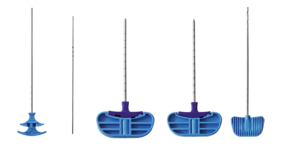
Medical Percutaneous Vertebroplasty (PVP) Kit Disposable Bone Cement Injection System for Spinal Compression Fracture
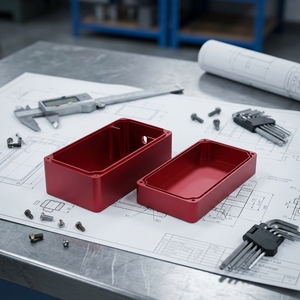
Custom Aluminum Alloy Top Plate Parts CNC Machining Upper Cover Plates
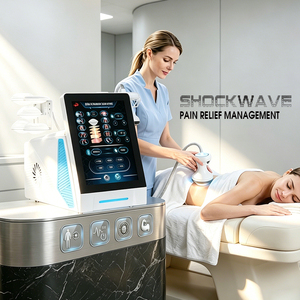
Medical Grade Focused ESWT Shockwave Machine 20Hz Frequency Chronic Pain Relief Device Manufacturer
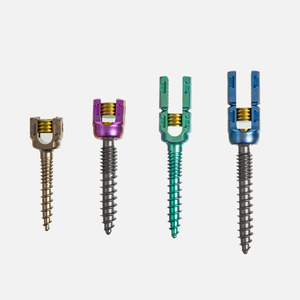
Medical Spine Titanium Orthopedic Implants Titanium Spinal Pedicle Screw Fixation System Spine Titanium Pedicle Screws
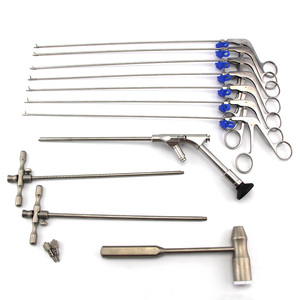
Disc System Endoscopic Discectomy Microendoscopic Suction Tube
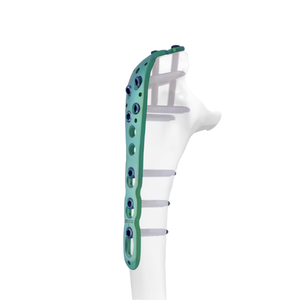
Discounted Price Orthopedic Implants Titanium LCP Olecranon Locking Plate
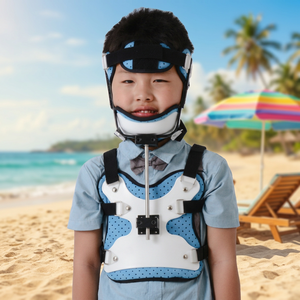
HKJD Custom Fit Cervical Thoracic Brace with Occipital Fine Tuning & Jaw Adjustment
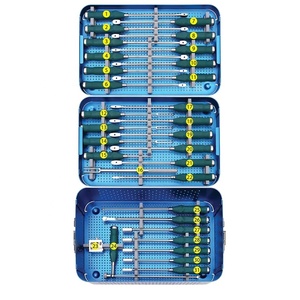
High Quality German Stainless Steel Manual Reusable Posterior Lumbar Interbody Fusion Cage Orthopedic Surgical Instruments CE
Key Drivers Transforming Peru’s Orthopaedic Device Import Market
The Peruvian medical device sector relies heavily on international imports, with over 85% of high-grade surgical implants sourced from accredited global manufacturers. Understanding the structural shift in Peru's healthcare delivery models is critical for importers aiming to secure long-term contracts with regional health authorities and private medical networks.
Dual Health System Expansion (EsSalud & MINSA)
Peru operates under two primary public healthcare pillars: MINSA (Ministerio de Salud) serving the general population, and EsSalud (Seguro Social de Salud) providing coverage for formal employees. Both entities are actively expanding trauma ward capacities in major urban centers like Lima, Callao, Chiclayo, and Cusco, creating sustained high-volume demand for standard trauma locking plates, cannulated screws, and intramedullary nails.
Rise of Private Surgical Clinics (Clinicas Privadas)
Private hospital groups across Lima (San Isidro, Miraflores, Surco) are increasingly adopting premium minimally invasive techniques, such as Unilateral Biportal Endoscopy (UBE) and micro-invasive balloon kyphoplasty (PVP). Private clinics prioritize zero-defect implant metallurgy, premium aesthetic anodization, and specialized surgeon training support.
Andean Geographical & Physiological Factors
High-altitude regions in Peru (such as Puno, Arequipa, and Huancayo) present distinct epidemiological considerations, including specific bone mineral density variations in aging mountain populations. High torsional resistance and fatigue strength in pedicle screws and femoral intramedullary nails are mandatory to resist mechanical pull-out.
Material Science Excellence: Titanium, PEEK & Stainless Steel Standards
Our manufacturing facility utilizes certified raw materials sourced with full mill heat-lot traceability, adhering strictly to ASTM and ISO surgical implant standards.
| Material Grade | International Standard | Tensile Strength (MPa) | Yield Strength (MPa) | Primary Clinical Application in Peru |
|---|---|---|---|---|
| Ti-6Al-4V ELI (Grade 23) | ASTM F136 / ISO 5832-3 | ≥ 860 MPa | ≥ 795 MPa | Spinal pedicle screws, anatomical LCP trauma locking plates, cannulated screws |
| Commercially Pure Ti (CP Grade 4) | ASTM F67 / ISO 5832-2 | ≥ 550 MPa | ≥ 483 MPa | Cervical anterior plates, craniomaxillofacial reconstruction mesh |
| PEEK-OPTIMA® Natural | ASTM F2026 | ≥ 95 MPa (Flexural) | ≥ 90 MPa | Radiolucent lumbar cages (PLIF/TLIF), zero-profile cervical fusion cages |
| German Stainless Steel (X30Cr13) | ISO 5832-1 / DIN 17442 | ≥ 1100 MPa | ≥ 900 MPa | Reusable spinal surgical instruments, osteotomes, bone reamers, drills |
Localized Application Scenarios in Peruvian Medical Infrastructure
Tailoring orthopaedic implant delivery to the operational realities of Peru’s public emergency departments, specialized institutes, and high-altitude regional clinics.
Scenario A: High-Trauma Emergency Units in Public Hospitals
e.g., Hospital Nacional Dos de Mayo / Hospital Loayza (Lima)
Public emergency centers encounter heavy traffic of high-energy vehicular and industrial bone trauma. Hospital purchasing departments require pre-contoured Locking Compression Plate (LCP) systems—such as distal radius, proximal tibia, and olecranon plates—that allow universal screw placement options. Supplying sterile-packaged plates with pre-sterilized disposables reduces hospital autoclave bottlenecks and prevents post-operative infection risks.
Scenario B: Complex Spine Centers & Neurosurgery Units
e.g., Hospital Nacional Edgardo Rebagliati Martins (EsSalud)
Leading neurosurgical centers demand advanced thoracolumbar pedicle screw systems capable of handling degenerative disc disease, spondylolisthesis, and spine deformities. Polyaxial friction-head screws combined with PEEK interbody cages offer radiolucent post-operative CT/MRI monitoring, enabling clear visualization of bone fusion progress without metal artifact distortion.
Scenario C: Regional & High-Altitude Private Clinics
e.g., Private Surgical Hubs in Arequipa, Cusco & Trujillo
Regional surgical clinics operate with streamlined inventory capacities. They favor versatile modular instrument sets—such as combined ACL/PCL reconstruction drill guides, micro-endoscopic suction devices, and universal removal toolkits—enabling orthopedic surgeons to handle diverse joint and spine procedures using compact, highly durable tray sets.
Navigating DIGEMID Sanitary Registration (Registro Sanitario) in Peru
A step-by-step technical documentation support model designed to fast-track approval with Peru's General Directorate of Medicines, Supplies and Drugs.
Risk Classification Analysis
Classifying orthopaedic products per DIGEMID guidelines: Class IIb (non-invasive surgical instruments, post-op braces) and Class III (long-term surgical implants: pedicle screws, spinal cages, joint prostheses, bone cement).
STED Dossier Compilation
We supply completed Technical Dossiers including ISO 13485:2016 certificates, CE Certificates of Conformity, Biocompatibility Reports (ISO 10993), Mechanical Fatigue Test Data (ASTM F1717 / ASTM F2077), and Sterilization Validation files.
Legalization & Spanish Translation
Provision of Certificates of Free Sale (CFS / CLV) apostilled by the Ministry of Foreign Affairs, accompanied by complete bilingual product labeling and surgical manual translations ready for DIGEMID submission.
Why Partner with Our Factory for Peruvian Supply Chains
Combining advanced Swiss-type CNC precision lathe machining, ISO Class 7 cleanroom packaging, and complete contract manufacturing flexibility.
5-Axis Swiss CNC Precision
State-of-the-art Japanese Star and Citizen Swiss sliding-head lathes guarantee micro-tolerances within ±0.005mm on complex pedicle screw threads, cannulated openings, and locking plate bevels.
ISO Class 7 Cleanroom & Gamma Sterilization
In-house cleanroom washing and blister sealing. Optional Cobalt-60 Gamma irradiation delivering a Sterility Assurance Level (SAL) of 10-6 in accordance with ISO 11137 standards.
Private Label & Custom OEM Trays
Complete OEM/ODM customization options including custom laser logo marking, customized surgical instrument tray design, custom color anodization, and specialized packaging box design for Peruvian brand owners.
Streamlined Freight to Callao Port & Jorge Chávez Airport
Ensuring end-to-end cold-chain and protected medical shipment delivery straight to your distribution warehouse in Lima or regional provinces.
| Freight Mode | Primary Entry Port in Peru | Average Transit Time | Ideal Order Volume & Urgency |
|---|---|---|---|
| Air Express Courier (DHL / FedEx) | Jorge Chávez International Airport (LIM) | 4 – 7 Business Days | Sample evaluations, urgent surgical replenishment, prototype trial sets |
| Air Freight Cargo | Jorge Chávez International Airport (LIM) | 7 – 10 Business Days | Medium-volume orders, high-value spinal implant restocking, specialized instrument sets |
| Ocean Freight (FCL / LCL) | Port of Callao (Callao, Metropolitan Lima) | 28 – 35 Days | Bulk hospital contract tenders, annual stock replenishment of trauma plates and screws |
Frequently Asked Questions for Sourcing Orthopaedic Devices in Peru
Clear, technical answers to common questions asked by Peruvian medical device importers, distributors, and hospital bidding committees.
What technical documentation is provided to support DIGEMID registration in Peru?
Can implants be ordered pre-sterilized for direct distribution to Peruvian hospitals?
What are the Minimum Order Quantities (MOQ) for custom OEM implant manufacturing?
Are surgical instrument sets customized to match specific implant lines?
How do you ensure batch quality and raw material authenticity?
What is the typical lead time for shipments arriving at Callao Port or Lima Airport?
Partner with a Leading Orthopaedic Implant Manufacturer
Connect with our international engineering and regulatory team today. Obtain technical catalogs, DIGEMID dossier support, and competitive factory-direct quotations for the Peruvian market.