Featured Orthopedic Implants & Surgical Instruments
Explore our CE-certified trauma fixation implants, anatomical plate systems, and micro-machined components engineered for European healthcare distributors and hospital surgical departments.
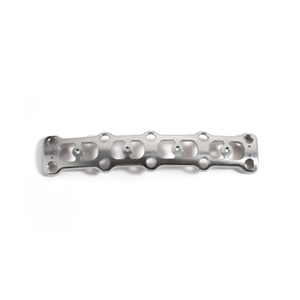
Orthopedic 3D CNC Titanium Alloy Stud for Bone Machining Micro CNC Machining Hospital Use Implantation Part Manufacture TC4
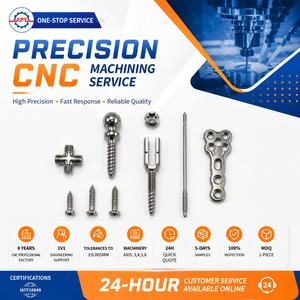
Precision CNC Machined Orthopedic Implants Titanium Bone Screws Spinal Fixation Parts OEM Custom Medical Components Manufacturer
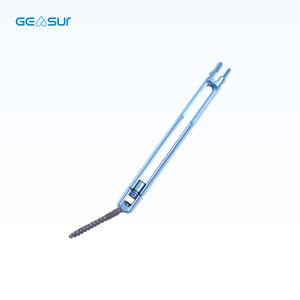
MisFix 5.5 System Percutaneous Tubular Spinous Process Screw Titanium Implant for Minimally Invasive Spinal Fixation
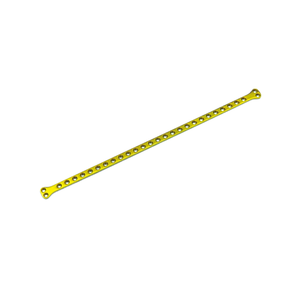
Convenient Use Veterinary Surgery Orthopedic Implants Titanium Implant 1.1/1.5/2.0/2.4mm Double T Cuttable Plate CE Certified
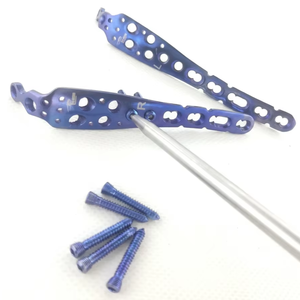
Premium Quality 3.5mm Olecranon Locking Plates 3H To 7Holes L/R With Screw & 121 Pcs Set Titanium Orthopedic Implants CE
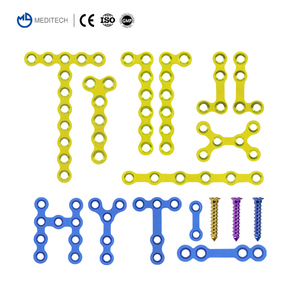
CZMEDITECH Orthopedic Stainless Steel Mesh Plate System Locking Maxillofacial Mini Arc Bridge Instrument Set 2.4 Surgical Bone
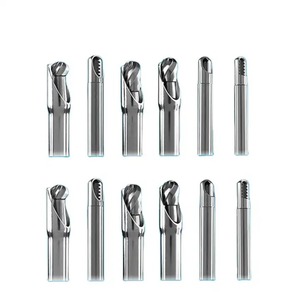
Hot Sale Top Quality Orthopedic Surgical Instruments Customization Arthroscopic Shaver Blade Price by Zuol
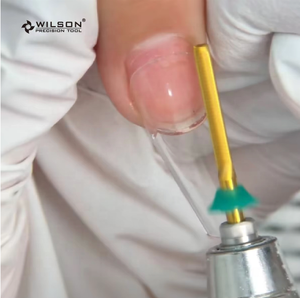
Long Flute 2.3mm Mini Barrel(R Cut) TiN Coating Best Selling Fast Armor Removal Nail Bur Durable Carbide Nail Bit
Volar Distal Radius Fixation in Hungary: Clinical & Regulatory Overview
An in-depth analysis of orthopedic trauma management, anatomical implant requirements, and procurement dynamics across Hungarian public healthcare institutions (NEAK) and private surgical centers.
Distal radius fractures (DRFs) remain among the most frequent traumatic skeletal injuries treated in European emergency departments, representing approximately 18% of all fracture presentations in Hungary. Historically managed via conservative closed reduction and plaster casting, intra-articular and unstable extra-articular distal radius fractures frequently resulted in secondary displacement, malunion, post-traumatic radiocarpal osteoarthritis, and prolonged functional disability. Over the past decade, the clinical standard of care across major Hungarian medical university centers—such as the Manninger Jenő National Institute of Traumatology in Budapest, the University of Debrecen Clinical Center, and regional trauma hubs in Szeged and Pécs—has firmly transitioned toward Open Reduction and Internal Fixation (ORIF) utilizing anatomically contoured volar distal radius locking plate systems.
For orthopedic importers, medical device distributors, and hospital purchasing committees operating in Central Eastern Europe (CEE), sourcing distal radius locking plates demands an uncompromising balance between material metallurgy, precision engineering, regulatory compliance (EU MDR 2017/745), and economic sustainability. As public healthcare systems under the Hungarian National Health Insurance Fund Manager (Nemzeti Egészségbiztosítási Alapkezelő - NEAK) optimize budget allocations, direct partnerships with certified original equipment manufacturers (OEM) provide a decisive strategic advantage.
Biomechanical Engineering & Material Metallurgical Specifications
How advanced titanium alloys, variable-angle screw locking mechanisms, and anatomical pre-contouring eliminate intraoperative stress concentrations and optimize patient outcomes.
ASTM F1472 TC4 Titanium
Manufactured exclusively from high-strength Ti-6Al-4V ELI (TC4) medical titanium alloy. Offers a tensile strength ≥ 930 MPa, high fatigue limits, and modulus of elasticity closer to cortical bone, significantly reducing stress shielding compared to 316L stainless steel.
Watershed Line Anatomy
Pre-contoured to fit the complex three-dimensional anatomy of the volar distal radius. The low-profile distal margin sits proximal to the anatomical watershed line, drastically minimizing soft tissue friction against the Flexor Pollicis Longus (FPL) tendon.
Variable-Angle Locking
Featuring patented threaded locking holes supporting ±15° polyaxial screw trajectory divergence. Allows trauma surgeons to precisely target complex intra-articular fragments and secure osteoporotic bone columns without cross-threading.
Distal Radius Locking Plate System - Technical Specifications
| Specification Parameter | Standard Volar Plate | Wide Volar Locking Plate | Variable-Angle Mini Volar System |
|---|---|---|---|
| Raw Material Grade | Ti-6Al-4V (ASTM F1472 / ISO 5832-3) | Ti-6Al-4V ELI (ASTM F1472) | Pure Titanium TA2/TA3 & TC4 |
| Plate Thickness Profile | 1.6 mm - 2.0 mm ultra-low profile | 2.0 mm anatomical reinforced | 1.4 mm ultra-slim polyaxial |
| Locking Screw Diameters | Ø2.4 mm / Ø2.7 mm self-tapping | Ø2.7 mm / Ø3.5 mm cortex | Ø2.0 mm / Ø2.4 mm mini locking |
| Head Holes (Subchondral Raft) | 4 to 7 distal locking holes | 8 to 11 distal raft holes | 3 to 5 multi-planar holes |
| Shaft Holes (Radial Shaft) | 3, 4, 5, 6, 7, 9 holes (Left/Right) | 4, 6, 8, 10, 12 holes (L/R) | 2, 3, 4, 5 holes (Universal) |
| Surface Finish & Anodization | Type II Hard Anodized (Color coded) | Type II Micro-arc oxidation | Electropolished & Anodized |
| Sterilization Standard | Co-60 Gamma (SAL 10-6) or Non-sterile | Co-60 Gamma (SAL 10-6) | Gamma Packaged / Autoclavable Tray |
Localized Clinical Application Scenarios in Hungary
Tailoring trauma solutions to meet the specific procedural and administrative demands of Hungarian clinical centers and ambulatory care workflows.
NEAK Inpatient Trauma Centers
High-volume public emergency hospitals (e.g., Central Hospital of Southern Pest, Debrecen University Hospital) rely on robust, standardized 2.4mm/2.7mm distal radius instrument trays. Implants must feature 100% batch traceability, laser-etched UDI barcodes, and seamless alignment with Hungarian national DRG (HBCs - Homogén Betegségcsoportok) reimbursement caps.
Ambulatory Surgery Centers (Egynapos Sebészet)
Hungary’s rapid growth in day-surgery centers in Budapest and regional cities demands sterile-packaged, ready-to-use volar distal radius locking plate sets. Pre-sterilized implants eliminate hospital autoclave bottlenecking, lower central sterile supply department (CSSD) overhead, and guarantee zero cross-contamination risk.
Private Hospitals & Sport Medicine
Private medical centers catering to active individuals and athletes require ultra-low-profile titanium plates that expedite post-op rehabilitation. Anatomically contoured plates drastically minimize soft tissue inflammation, enabling early active wrist motion and faster return to work.
Hungarian & CEE Orthopedic Market Trends (2025–2030)
Navigating regulatory transitions, digital healthcare integration, and procurement restructuring in Central Eastern Europe.
1. Strict EU MDR (2017/745) Adherence
The transition from MDD to EU MDR has created supply shortages across Central Europe as non-compliant vendors exit. Hungarian health authorities (OGYÉI / National Institute of Pharmacy and Nutrition) strictly mandate verified technical documentation, clinical evaluation reports (CER), and post-market clinical follow-up (PMCF) data. Importers in Hungary demand suppliers with fully compliant CE technical dossiers.
2. Digital Integration with EESZT System
Hungary’s National eHealth Infrastructure (EESZT - Egészségügyi Elektronikus Szolgáltatási Tér) requires complete electronic health record traceability. Modern medical device packaging must include GS1 DataMatrix 2D barcodes containing Unique Device Identifiers (UDI), serial numbers, and expiry dates to facilitate instant scanning in hospital operating theaters.
3. Growth in Direct OEM Supply Contracts
To buffer against global inflation and currency fluctuations (EUR/HUF), Hungarian orthopedic distributors are increasingly replacing costly Western European middlemen by partnering directly with ISO 13485-certified manufacturers capable of private labeling, custom tray development, and localized packaging translations.
Why Partner with Orthi Medical Co., Ltd.
Uncompromised Quality Control, Advanced CNC Infrastructure, and Tailored Supply Solutions for Global Distributors.
As a leading medical device manufacturer specializing in orthopedic implants, trauma fixation systems, spinal hardware, and surgical instruments, Orthi Medical Co., Ltd. operates under strict adherence to ISO 13485 and ISO 9001 quality management systems. Our state-of-the-art facility features imported 5-axis DMG MORI CNC Swiss-lathes, high-precision micro-machining centers, automated anodizing systems, and Class 10,000 (ISO Class 7) cleanrooms.
Vertical CNC Machining
Tolerance accuracy within ±0.005 mm ensures immaculate screw-to-plate thread engagement, preventing intraoperative cross-threading or screw head stripping.
Gamma Sterilization
Implants available in sterile double-blister Tyvek packaging processed via Co-60 Gamma Irradiation, achieving a Sterility Assurance Level of SAL 10-6.
OEM & Private Label
Complete turnkey OEM/ODM services including drawing-based machining, custom color anodization, laser engraving, and custom instrument tray design.
EU Regulatory Support
Full technical documentation, material safety data sheets, and registration dossiers supplied to assist Hungarian distributors with OGYÉI product registration.
Frequently Asked Questions (Procurement & Clinical FAQ)
Essential technical, regulatory, and logistics information for medical device buyers, hospital supply managers, and orthopedic surgeons in Hungary.
Request a Technical Dossier & Wholesale Quote for Hungary
Partner with an established ISO 13485 manufacturer. Contact our orthopedic sales engineering team today for product catalogs, CE documentation, and competitive export pricing for the Central European market.