Featured Arthroplasty & Arthroscopy Instrumentation Sets
Precision-engineered reusable instruments designed for maximum tactile feedback, fatigue resistance, and seamless compatibility with international implant systems.
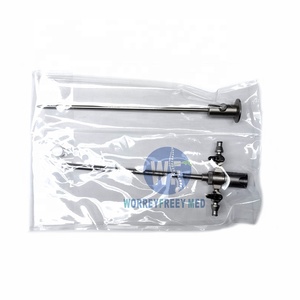
Arthroscopy Instruments 0° Trocar Sheath (Conmed/Linvatec Compatible)
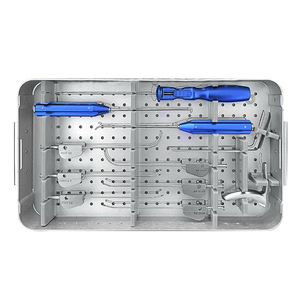
Fixation Instrument Set Orthopedic Surgical Instruments
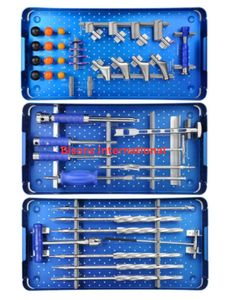
Modular Stem Hip Arthroplasty Instrument Set for Total Hip Replacement
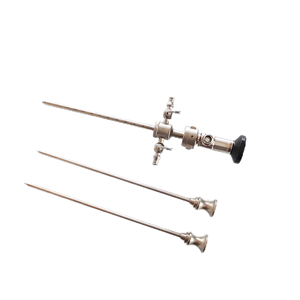
Reusable Medical Arthroscope Sheath & Trocar Set
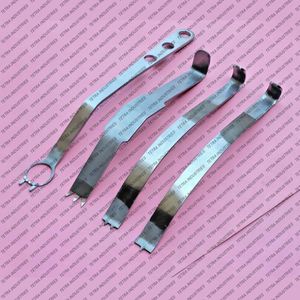
Glenoid Access & Kolbel Shoulder Anterior Neck Retractor Set
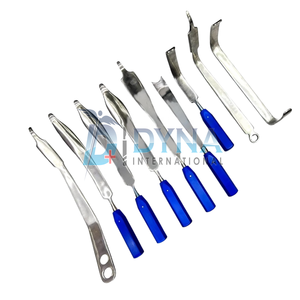
Manual 9-Piece Arthroplasty Hip Retractor Set (Blue Anodized Handles)
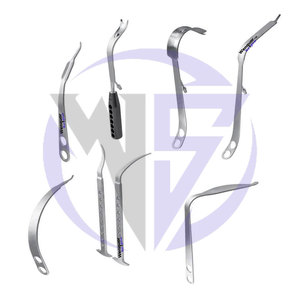
Direct Anterior Total Hip Arthroplasty (THA) Instrument Set
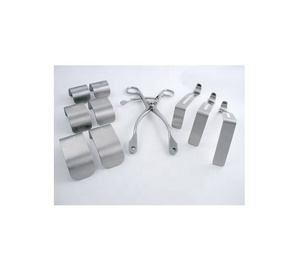
Reusable Shoulder Arthroplasty Set with Kolbel Retractors
Macro Economic & Surgical Dynamics in the Saudi Arabian Arthroplasty Market
The healthcare infrastructure of the Kingdom of Saudi Arabia (KSA) is undergoing an unprecedented transformation under the strategic mandate of Saudi Vision 2030 and the Health Sector Transformation Program (HSTP). As the Kingdom expands its advanced tertiary medical centers in Riyadh, Jeddah, Dammam, and Medina, the demand for high-grade orthopedic joint replacement hardware and precision surgical instrumentation has reached historic levels. Total Joint Arthroplasty (TJA)—encompassing primary and revision Total Hip Arthroplasty (THA), Total Knee Arthroplasty (TKA), and Total Shoulder Arthroplasty (TSA)—represents one of the fastest-growing surgical categories in Saudi Arabia.
Demographic analysis indicates a rising prevalence of end-stage osteoarthritis, severe joint wear secondary to high body mass index (BMI), metabolic conditions, and trauma within the Arabian Peninsula. Hospital networks such as the Ministry of Health (MOH), King Faisal Specialist Hospital & Research Centre (KFSHRC), Ministry of National Guard Health Affairs (MNGHA), alongside private healthcare conglomerates like Dr. Sulaiman Al Habib Medical Group and Saudi German Health, require robust, highly dependable arthroplasty instrument sets capable of supporting high surgical throughput. Procurement officers and surgical department managers face the dual challenge of procuring top-tier, bio-compatible instrumentation that complies with stringent Saudi Food and Drug Authority (SFDA) requirements while ensuring cost-effective capital expenditure.
Metallurgical Engineering & Manufacturing Standards for Arthroplasty Sets
Surgical instruments utilized in total joint procedures are subjected to immense mechanical stresses, including high-torque impaction, torsional shear, axial loading, and repeated cyclic stress during bone reaming and rasping. Furthermore, instruments in Saudi Arabian hospitals undergo aggressive Central Sterile Supply Department (CSSD) processing, including heavy enzymatic washes and high-temperature pressurized steam autoclaving at 134°C (273°F). Substandard steel grades quickly exhibit pitting corrosion, stress cracking, cutting edge dulling, and mechanical fatigue.
Orthi Medical Co., Ltd. manufactures all arthroplasty instrumentation utilizing certified, medical-grade alloys selected specifically for their mechanical ductility, yield strength, and chemical passivity. Our engineering teams apply strict metallurgy controls compliant with international medical standards:
AISI 17-4PH Steel
Precipitation-hardening stainless steel (SUS630) utilized for heavy-impact load components such as femoral broach handles, acetabular cup impactors, slide hammers, and bone mallets. Provides tensile yield strength exceeding 1,000 MPa.
AISI 420 Martensitic
High-carbon martensitic stainless steel reserved for sharp cutting edges, including curved gouges, osteotomes, bone reamers, and retractor teeth. Vacuum heat-treated to achieve Rockwell Hardness HRC 48-52.
Titanium & Anodized Al
Ti-6Al-4V (ASTM F1472) and medical-grade aircraft aluminum used in trial components and ergonomic retractor handles. Provides weight reduction up to 40% to reduce surgeon hand fatigue during lengthy procedures.
| Material Grade | Standard Specification | Tensile Strength (MPa) | Primary Surgical Application |
|---|---|---|---|
| AISI 17-4PH (SUS630) | ASTM F899 / ISO 7153-1 | ≥ 1,070 MPa | Impaction Handles, Broach Holders, Slotted Mallets |
| AISI 420 / 440C | ASTM F899 Martensitic | ≥ 850 MPa | Acetabular Reamers, Bone Chisels, Shaver Blades |
| Pure Titanium / Ti-6Al-4V | ASTM F67 / ASTM F1472 | ≥ 930 MPa | Trial Stems, Modular Trial Heads, Lightweight Holders |
| Medical Grade PEEK | ASTM F2026 Polymer | ≥ 110 MPa | Suture Anchors, Trial Inserts, Radiolucent Guides |
Localized Application Scenarios in Saudi Arabian Hospitals
Surgical workflows across Saudi orthopedic departments vary based on anatomical approach, patient demographics, and hospital infrastructure. Orthi Medical's modular instrument trays are engineered to address specific operative challenges encountered in KSA healthcare facilities:
1. Direct Anterior Approach (DAA) Total Hip Arthroplasty
With an increasing number of Saudi orthopedic surgeons adopting muscle-sparing Direct Anterior Approach THA, surgical suites demand specialized offset instrumentation. Traditional straight broach handles and standard Hohmann retractors risk soft-tissue damage around the anterior superior iliac spine (ASIS) and tensor fasciae latae (TFL). Our Anterior Total Hip Arthroplasty Instrument Set incorporates double-offset broach handles, specialized Cobra retractors, curved acetabular reamer drivers, and femoral elevator levers designed explicitly to navigate constrained anterior corridors safely.
2. Complex Posterior & Anterolateral Hip Reconstructions
For primary posterior THA and revision cases presenting with severe bone loss or developmental dysplasia of the hip (DDH)—conditions prevalent in regional patient populations—our Modular Stem Hip Arthroplasty Set offers comprehensive versatility. The tray includes trial heads in varying neck lengths (-4mm to +12mm), flexible reaming shafts, trial cup liners compatible with ceramic and ultra-high-molecular-weight polyethylene (UHMWPE), and heavy-duty acetabular cup positioners with multi-axis alignment rods.
3. Shoulder Arthroplasty & Glenohumeral Joint Access
Shoulder joint replacement, including total shoulder arthroplasty (TSA) and reverse total shoulder arthroplasty (RTSA), requires delicate yet unyielding soft-tissue retraction. The Stainless Steel Glenoid Access & Kolbel Shoulder Retractor Set features self-retaining frame mechanisms, customizable blade depth extensions, and specialized deltoid levers. This allows surgical teams in sports medicine and orthopedic trauma units to maintain stable exposure of the glenoid fossa without requiring continuous manual tension from surgical assistants.
4. Arthroscopic & Joint Preservation Interventions
Prior to end-stage joint replacement, joint preservation techniques via minimally invasive arthroscopy are widely practiced across Saudi Arabian clinics. Our 0° and 30° trocar sheath sets, compatible with Conmed, Linvatec, and Stryker camera systems, utilize dual-silicone sealing gaskets to maintain continuous intra-articular pressure while preventing fluid leakage during shaver and radiofrequency ablation probe passes.
Surface Passivation & Anti-Reflective Technology
Operating rooms in Saudi Arabia utilize ultra-bright overhead LED surgical lights to optimize visualization. Standard high-polish stainless steel instruments cause intense light glare, leading to surgeon ocular fatigue. Orthi Medical instruments undergo proprietary micro-bead blasting and electro-chemical passivation according to ASTM A967. This process creates a uniform, matte satin finish that eliminates glare while forming an impenetrable chromium-oxide passive layer for absolute corrosion resistance against saline solutions and bodily fluids.
Navigating Saudi Arabia Procurement Frameworks: SFDA & NUPCO Guidelines
Procuring medical hardware in the Kingdom of Saudi Arabia requires strict adherence to regulatory pathways governed by the Saudi Food and Drug Authority (SFDA). Foreign manufacturers and local Saudi medical suppliers must fulfill thorough Medical Device Marketing Authorization (MDMA) mandates before instruments can be cleared through Saudi customs ports (such as King Khalid International Airport in Riyadh or Jeddah Islamic Port).
Key Compliance Parameters for KSA Tenders:
- SFDA MDMA Registration: All reusable surgical instruments must be covered by valid SFDA device registration files, supported by a designated Saudi Authorized Representative (AR).
- NUPCO Bidding Standards: The National Unified Procurement Company (NUPCO) centralizes medical purchasing for MOH, Military, and University hospitals. Bidding specifications demand full compliance with ISO 13485:2016 quality management systems, international barcoding (GS1 standards), and documented sterilizer tray layout configuration.
- Cleanroom & Traceability Protocols: Raw materials must possess mill test certificates (MTC) verifying chemical composition. Every finished instrument is laser-etched with a unique Device Identifier (UDI), part number, lot batch, and CE mark for end-to-end traceability.
- Sterilization Packaging Compatibility: Instruments must be delivered in anodized aluminum or stainless steel sterilization trays featuring silicone instrument holders, stainless steel wire mesh baskets, and heat-resistant filter covers compatible with standard steam wrapping materials.
Why Leading Saudi Distributors & Hospitals Partner with Orthi Medical
As a global OEM/ODM manufacturer specializing in orthopedic trauma, spinal fixation, joint arthroplasty, and sports medicine instruments, Orthi Medical Co., Ltd. provides direct manufacturing capabilities tailored to the Saudi Arabian market. We bridge the gap between high-end European manufacturing standards and direct factory pricing structure.
5-Axis Precision Machining
State-of-the-art DMG MORI 5-axis CNC machining centers and Citizen Swiss automatic lathes guarantee dimensional tolerances within ±0.005mm for perfect modular instrument fitment.
OEM / ODM Customization
Full custom tray engineering, custom laser marking, specific color anodizing for size identification, and specialized instrument modifications built according to surgeon preferences.
Sterile Packaging & QC
ISO Class 7 cleanroom assembly with optional Co-60 Gamma Sterilization (SAL 10-6) adhering to ISO 11607 packaging validation for rapid hospital deployment.
Saudi Arabia Procurement FAQ: Technical & Commercial Insights
Addressing the most common regulatory, technical, and supply chain queries raised by Saudi hospital procurement committees and medical equipment distributors.