Veterinary & Trauma Orthopedic Systems
Explore our export-grade surgical instrumentation and titanium implant systems manufactured strictly under ISO 13485 and CE compliance for veterinary and human orthopedic applications.
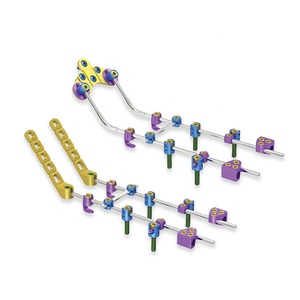
Posterior Occipital-Cervical-Thoracic Spine Fixation System
Designed for complex spinal stabilization, featuring low-profile polyaxial screws and ergonomic rod benders for superior biomechanical rigidity.
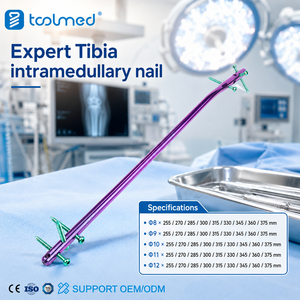
Expert Tibia Intramedullary Interlocking Nail System
Multi-planar proximal and distal locking options engineered from Grade 5 Ti-6Al-4V ELI titanium for optimized diaphyseal fracture alignment.
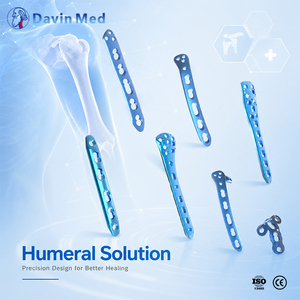
Anatomical Humeral Locking Plate & Screw System
Pre-contoured anatomical curvature with combi-holes accepting standard and locking cortical screws for rapid osteosynthesis.
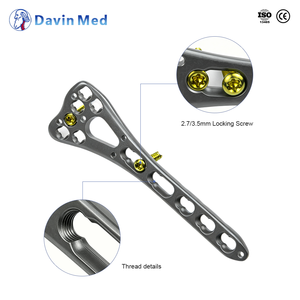
Distal Radius Volar Variable Angle Locking Plate System
Low-profile titanium design offering +/- 15° trajectory adjustment for precise subchondral screw placement in complex intra-articular fractures.
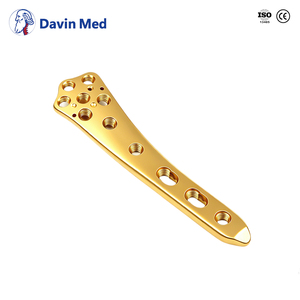
Distal Humerus Lateral Titanium Locking Plate
Ultra-thin profile minimizing soft tissue irritation while retaining maximum torsional stability across distal limb fractures.
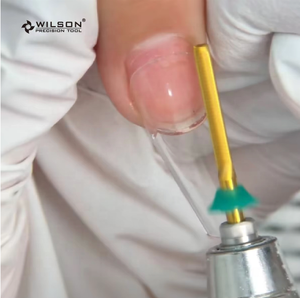
2.3mm Mini Barrel TiN Coated Surgical Carbide Bur Bit
Precision-machined tungsten carbide with Titanium Nitride surface hardening for high-speed bone cutting with thermal damage mitigation.
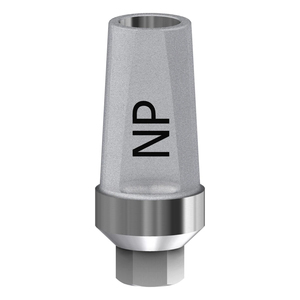
Precision Titanium Abutments (0°, 15°, 25° Angulation)
High-precision machined titanium abutments compatible with standard internal hex interfaces for veterinary dental reconstruction.
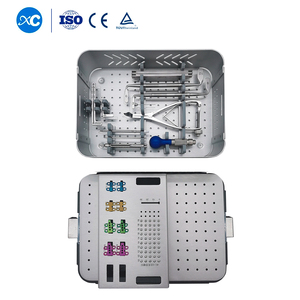
Comprehensive Veterinary Orthopedic TTA Surgical Instrument Set
Full kit containing specialized saw guides, bone spreaders, torque drivers, and sterilizable sterilization trays for canine stifle surgery.
The Biomechanical Mandate: Technical Superiority in Veterinary Orthopedic Manufacturing
Veterinary orthopedic surgery has underwent a paradigm shift over the past decade. Modern veterinary hospitals no longer settle for re-purposed human mini-implants or low-grade stainless steel tools. Canine and feline anatomy demands tailored mechanical dynamics—specifically concerning high cyclic fatigue endurance, anatomical contour matching, and rapid osseointegration capabilities. As a globally premier manufacturer and exporter of veterinary orthopedic instrument sets, our manufacturing infrastructure bridges advanced metallurgical engineering with specialized veterinary clinical requirements.
Every veterinary surgical instrument and implant system engineered within our facilities adheres strictly to international biomedical standards. Using high-precision 5-axis CNC Swiss automatic lathes, multi-axis machining centers, and wire EDM technologies, we manufacture surgical tools with tolerances as tight as ±0.005mm. This extreme precision ensures that drill guides, osteotomes, TPLO saw blades, and torque-limiting drivers deliver flawless tactile feedback to the orthopedic surgeon, mitigating intraoperative micro-fractures and thermal necrosis risks.
Information Gain Insight: Unlike generic surgical tool distributors, our direct-manufacturing facility utilizes Electrochemical Passivation per ASTM F86 and Type II Titanium Anodization. This creates an ultra-durable oxide film that eliminates chromium/nickel leaching, dramatically enhancing corrosion resistance during repeated hospital autoclave cycles.
| Biomedical Alloy / Material | Standard Compliance | Mechanical Tensile Strength | Primary Veterinary Application |
|---|---|---|---|
| Ti-6Al-4V ELI (Grade 23) | ASTM F136 / ISO 5832-3 | ≥ 860 MPa | TPLO Plates, Micro Locking Bone Plates, Pedicle Screws |
| Commercially Pure Titanium (CP4) | ASTM F67 / ISO 5832-2 | ≥ 550 MPa | Cranial Reconstruction, Reconstructive Mesh Plates |
| Martensitic Stainless Steel (1.4112) | DIN EN 10088-3 / ISO 7153-1 | ≥ 1100 MPa | High-Sharpness Bone Chisels, Osteotomes, TTA Saws |
| Medical Grade PEEK Optima® | ASTM F2026 | Flexural Modulus ~3.5 GPa | Veterinary Interbody Spinal Fusion Cages (V-PEEK) |
Future Procurement Trends in Veterinary Orthopedics (2025–2030)
Analysis of global procurement patterns for veterinary hospital chains, medical device distributors, and private labeling brands.
1. Demand for Turnkey Modular Surgical Instrument Trays
Global veterinary procurement teams are moving away from piecemeal instrument sourcing. Procurement managers demand modular, color-coded anodized aluminum sterilization trays fitted with surgical-grade silicone holders. Complete sets for TPLO (Tibial Plateau Leveling Osteotomy), TTA (Tibial Tuberosity Advancement), and micro-fragment fixation streamline OR prep times and lower sterilization logistics costs.
2. Transition to Pre-Sterilized Gamma-Irradiated Packaging
To eliminate clinical reprocessing overhead and cross-contamination risks, major hospital networks are specifying individually blister-packed titanium plates and cannulated screws. Gamma radiation sterilization (Co-60) providing a Sterility Assurance Level (SAL) of 10⁻⁶ is quickly becoming a contractual prerequisite in European and North American import tenders.
3. Full OEM Traceability & Regulatory Dossier Support
With tighter international enforcement under EU MDR regulations and equivalent global frameworks extending to veterinary medical devices, exporters must supply complete technical files. Procurement leads require mill certificates, fatigue testing reports (per ASTM F382/F543), and ISO 13485 audit reports to secure seamless customs clearance.
Engineering Evolution: Next-Generation Product Development Trends
The boundary between high-end human orthopedics and veterinary surgical design has virtually dissolved. As a primary exporter driving product innovation, our R&D center focuses on three critical technology pillars designed to maximize surgical efficacy and surgical outcome consistency:
Variable-Angle Locking Technology
Traditional fixed-angle locking plates restrict screw trajectory. Modern veterinary plates feature variable-angle (VA) locking mechanisms allowing up to ±15° of polyaxial angulation within the plate construct. This allows surgeons to direct screws past articular cartilage and fixate small bone fragments with extreme anatomical fidelity.
Diamond-Like Carbon (DLC) Tool Coatings
Precision cutting burs, drills, and osteotomes are increasingly treated with DLC or Titanium Nitride (TiN) physical vapor deposition. These sub-micron ceramic coatings reduce friction co-efficients by over 60%, maintaining razor-sharp cutting edges through hundreds of sterilizations and significantly mitigating heat generation during bone drilling.
3D Porous Titanium Trabecular Structures
Direct Metal Laser Sintering (DMLS) 3D printing enables the fabrication of porous titanium cages for veterinary spinal fusion and complex segmental defect filling. Featuring open-pore geometries mimicking natural trabecular bone (65–80% porosity), these implants stimulate rapid vascularization and bone ingrowth.
Why Choose Us: Enterprise OEM/ODM Manufacturing Excellence
As an industry-leading manufacturer and global exporter, our facility offers end-to-end OEM and ODM services for veterinary brands, distributor private labels, and high-volume surgical supply groups worldwide. By consolidating raw material procurement, micro-machining, thermal treatment, laser marking, and cleanroom packaging under one centralized management system, we eliminate supply chain vulnerabilities for our clients.
Precision Engineering & Blueprint Machining
Our engineering team converts customer 2D/3D CAD models (IGES, STEP, SolidWorks) into production-ready CAM code within 48 hours. We handle complex geometries including variable pitch cannulated threads, complex ergonomic handles, and delicate micro-locking slots.
Custom Laser Etching & Surface Anodization
We offer full private labeling capabilities, including high-precision fiber laser marking for lot numbers, matrix barcodes, and brand logos. Type II electrolytic color anodization enables color-coding by implant dimension (e.g., 1.5mm, 2.0mm, 2.7mm, 3.5mm systems).
ISO Class 7 Cleanroom & Gamma Packaging
Implant packaging takes place inside certified Class 10,000 (ISO Class 7) cleanrooms. Products are enclosed in medical-grade Tyvek blister packs, sealed against dust and humidity, and subjected to Co-60 gamma sterilization validated per ISO 11137 standards.
100% Quality Assurance & Optical Inspection
Quality control goes beyond random sampling. Critical dimensional metrics undergo 100% automated optical measurement via high-resolution Zeiss CMM equipment, ensuring zero defect propagation to surgical suites.
Frequently Asked Questions (FAQ) for Sourcing Executives
Essential guidance on compliance, order logistics, OEM custom design, and technical validation for prospective distributors and importers.
What regulatory certifications cover your veterinary instrument sets?
Our centralized manufacturing facility operates under a certified ISO 13485 quality management system. Implants manufactured from Ti-6Al-4V ELI (ASTM F136) and commercially pure titanium (ASTM F67) come with complete raw material mill inspection certificates. Applicable product ranges carry CE marks and undergo testing compliant with ISO 5832, ASTM F382 (bone plates), and ASTM F543 (medical bone screws).
Can you manufacture custom veterinary orthopedic instruments based on sample parts or CAD drawings?
Yes. We specialize in contract OEM/ODM manufacturing. Clients can provide physical samples, 2D blueprints, or 3D STEP/IGES CAD files. Our engineering team conducts DFM (Design for Manufacturability) analysis, produces working functional prototypes within 14–21 business days, and scales up to mass CNC production seamlessly upon customer sign-off.
What are your standard Minimum Order Quantities (MOQ) and lead times for global orders?
For standard catalog items (e.g., TPLO instrument kits, standard mini locking plates, drill bur bits), our MOQ is as low as 5 to 10 units per specification. For custom OEM orders involving custom tooling or private label laser marking, standard MOQs start at 50 to 100 units per item. Standard dispatch lead times range from 15 to 30 days depending on order complexity.
How do you guarantee corrosion resistance and longevity of surgical tools under repeated steam autoclaving?
All reusable surgical instruments undergo automated ultrasonic cleaning, acid passivation in accordance with ASTM F86, and rigorous salt spray testing. Stainless steel tools are fabricated from premium surgical-grade martensitic alloys (1.4112 / 1.4057) that maintain high mechanical surface hardness while offering superior resistance to pitting and stress corrosion cracking across repeated 134°C autoclave cycles.
Do you provide sterile packaged implants ready for hospital surgical use?
Yes. We offer pre-sterilized implant options packaged inside Class 7 cleanrooms using dual-layer Tyvek peel pouches. Sterilization is performed via Co-60 Gamma Irradiation reaching SAL 10⁻⁶. Every sterile unit includes batch tracking stickers with LOT numbers, manufacture dates, and expiration markers for effortless hospital inventory logging.
How do you assist international distributors with local product registration?
We provide full regulatory assistance to authorized distributors, including technical dossiers (STED format), Material Safety Data Sheets (MSDS), certificates of free sale (CFS), ISO 13485 certification copies, and mechanical test validation reports required by domestic health authorities.
Partner with a Premier Veterinary Orthopedic Manufacturer
Elevate your product catalog with certified titanium implants, precision TPLO/TTA instrument sets, and custom OEM solutions. Contact our engineering and export sales specialists today for technical consultations and factory-direct pricing quotes.
Contact Us