1. Executive Summary & Biomechanical Evolution of PFNA Technology
Proximal femoral fractures, encompassing pertorchanteric, intertrochanteric, and subtrochanteric variants, represent one of the most critical challenges in modern orthopedic trauma management. As global demographics shift toward an aging population with elevated osteoporosis prevalence, surgical intervention protocols demand internal fixation implants capable of handling high biomechanical loads while minimizing bone volume displacement. The Proximal Femoral Nail Antirotation (PFNA) system has established itself as the gold standard for intramedullary fixation of trochanteric fractures, outperforming legacy dynamic hip screw (DHS) systems and dual-screw intramedullary designs.
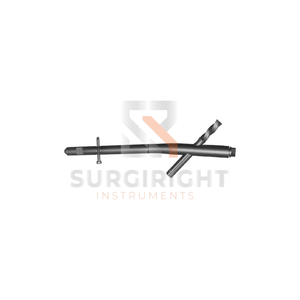
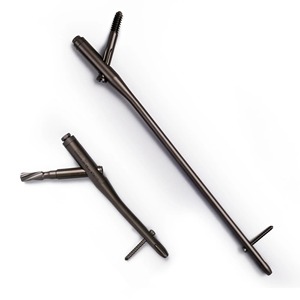
The biomechanical superiority of the PFNA design lies primarily in its single helical blade mechanism. Unlike conventional threads that cut away bone mass during insertion, the PFNA helical blade compacts the surrounding cancellous bone during insertion. This compaction effect substantially increases the surface contact area between the implant and the bone trabeculae, yielding superior resistance against rotational instability, axial collapse, and cut-out. Clinical literature confirms that achieving a Tip-Apex Distance (TAD) of less than 25mm combined with the helical compaction technique reduces mechanical failure rates in osteoporotic bone to under 1.2%.
2. Core Technological & Metallurgical Manufacturing Standards
A top-trusted PFNA factory must maintain absolute fidelity to internationally recognized medical material standards. Sourcing teams evaluating OEM partners must verify compliance with metallurgical specifications to prevent post-operative fatigue fracture under cyclic walking stresses.
| Material Designation | Standard Specification | Tensile Strength (MPa) | Biomechanical Application Advantages |
|---|---|---|---|
| Ti-6Al-4V ELI (TC4) | ASTM F1472 / ISO 5832-3 | ≥ 930 MPa | Low Young's modulus matching cortical bone; eliminates stress shielding; optimal bio-compatibility and MRI artifact minimization. |
| Pure Titanium (Grade 2/3) | ASTM F67 / ISO 5832-2 | 400 – 500 MPa | High ductility suitable for low-load surgical washers, end caps, and specialized non-structural trauma accessories. |
| Medical Steel (316LVM) | ASTM F138 / ISO 5832-1 | ≥ 860 MPa | High structural rigidity; cost-effective solution for short-term trauma stabilization and heavy-duty reaming instrument sets. |
2.1 Advanced Machining and Precision Tolerance Control
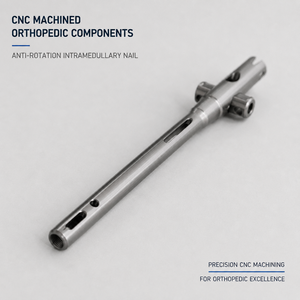
Manufacturing a PFNA nail requires extreme precision. The internal cannulation of the nail—allowing it to pass over a 3.2mm guide wire—must remain concentric throughout long-nail dimensions (up to 420mm). Leading factories utilize deep-hole gun-drilling machinery combined with automated laser inspection systems to maintain wall-thickness variances under ±0.03mm. This eliminates weak points along the cannulated shaft, guaranteeing structural integrity under torsional shear stress.
3. Global Sourcing & Procurement Trends in Orthopedic Manufacturing (2025–2030)
The global orthopedic implant market is undergoing a paradigm shift driven by regulatory harmonization, hospital supply chain optimization, and demand for ready-to-use sterile systems. Procurement managers and medical distributors must align with factories capable of supporting these emerging trends:
Gamma-Sterilized Packaging
Transitioning from bulk unsterilized shipments to individual Co-60 gamma-irradiated pouch packaging (SAL 10⁻⁶), eliminating hospital reprocessing costs and contamination risks.
Full Technical Dossiers
Provision of CE MDR (EU 2017/745) compliant technical files, biocompatibility reports (ISO 10993), and mechanical fatigue test results (ASTM F1264) for rapid regional registration.
Anatomical Diversity
Developing ethnic-specific femoral curvature profiles (such as 1.5m vs 1.7m RoC) to accommodate variations between Asian and Caucasian anatomical geometries, preventing anterior cortex impinging.
4. Strategic Factory Evaluation Checklist for B2B Procurement Teams
When selecting a contract manufacturer or OEM factory for PFNA systems, relying solely on price per unit introduces severe regulatory and clinical liability risks. B2B procurement committees should implement a rigorous audit protocol evaluating the following operational pillars:
1. Automated Quality Management System (QMS): Ensure the factory maintains continuous ISO 13485 certification with robust non-conformance tracking. Every titanium bar lot must include 3.1.B chemical breakdown and mechanical tensile mill certificates.
2. Tooling and Swiss Machining Infrastructure: High-precision factories employ multi-axis CNC machines (Citizen, Star, or Willemin-Macodel) allowing complex milling of helical locking grooves and variable pitch threads in a single setup, eliminating re-clamping positional errors.
3. Cleanroom & Cleaning Validation: Implants must undergo ultrasonic cleaning in multi-stage DI water baths followed by assembly within ISO Class 7 cleanrooms to guarantee bioburden limits stay within strict regulatory thresholds before sterilization.
Partner with a Certified Orthopedic Manufacturing Leader
With end-to-end control over titanium raw material verification, 5-axis CNC precision milling, laser marking, and validated gamma sterilization, our production facility delivers registration-ready PFNA implants and customized surgical instrument kits worldwide.
5. Frequently Asked Questions (FAQ) for Global Buyers
What are the key technical differences between standard PFN and PFNA systems?
The standard PFN utilizes two hip pins (a lag screw and a neck pin) which can cause a "zipper effect" or cut-out in weak osteoporotic bone. The PFNA system replaces these two screws with a single, broad helical blade. The helical blade compacts the cancellous bone upon insertion rather than removing it, dramatically increasing rotational stability and load bearing while reducing bone cut-out rates.
What material is optimal for PFNA manufacturing: Stainless Steel or Titanium Alloy?
Titanium Alloy (Ti-6Al-4V ELI per ASTM F1472) is preferred for permanent or long-term internal fixation due to its lower elastic modulus, which closely resembles human cortical bone and minimizes stress shielding. It also provides superior MRI image compatibility. Stainless Steel 316LVM remains a viable choice for budget-constrained markets or rigid, short-term trauma cases.
What minimum ordering quantities (MOQ) and OEM customization capabilities do factories provide?
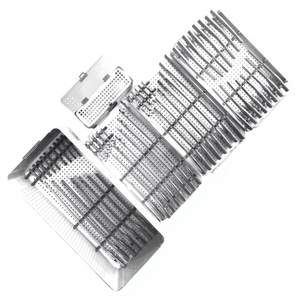
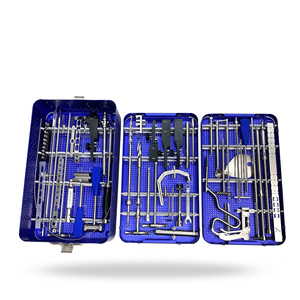
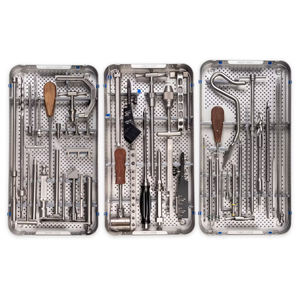
Standard OEM/ODM production typically accommodates low MOQs for standard sizing trials (starting at 50 to 100 sets). Factory customization services encompass laser logo marking, custom color anodization for quick instrument identification, customized tray layouts, and specific packaging branding tailored to regional distributor requirements.
How do factories ensure distal locking accuracy during surgical placement?
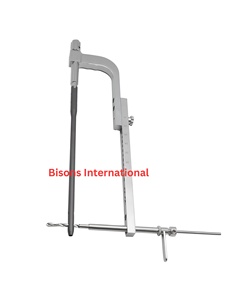
Precision factories supply Carbon-Fiber or high-rigidity surgical alloy targeting arms that resist deflection during drill sleeve insertion. Furthermore, nails feature dual distal locking options (static and dynamic) with calibrated micro-tolerances to ensure seamless guide pin passage under fluoroscopy.
Can implants be shipped pre-sterilized directly to clinical distributors?
Yes. Implants can be packaged in double-layer blister packs inside ISO Class 7 cleanrooms and subjected to Co-60 Gamma Irradiation (SAL 10⁻⁶). This allows distributors to supply hospitals with sterile, off-the-shelf units ready for immediate OR deployment.