Precision-Engineered Orthopaedic Portfolio
CE & ISO 13485 compliant implantable systems, power instruments, and sterile surgical kits manufactured under strict quality assurance controls.
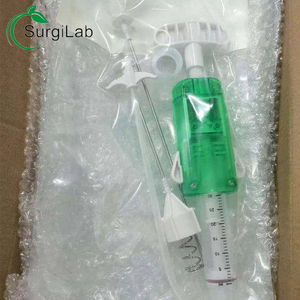
Disposable Vacuum Cement System 30ml Bone Cement Mixer Kyphoplasty and Vertebroplasty Kit PMMA Orthopedic Surgery Vet
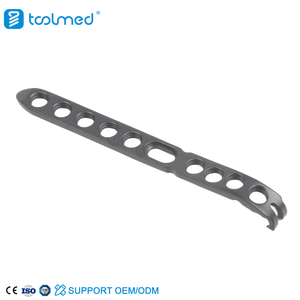
Olecranon Locking Plate II 3 to 8 Holes Titanium TA3 Orthopedic Trauma Implant Use 3.5 Locking Cortical Screw
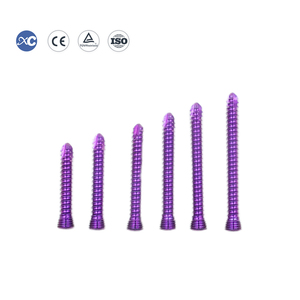
XC MEDICO Veterinary Orthopedic Implants 2.7mm AO Locking Screw Implant Orthopedic Implant
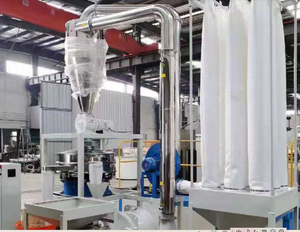
Crystal Double-screw 380V High Productivity Machine for Tile Compact Spinning System
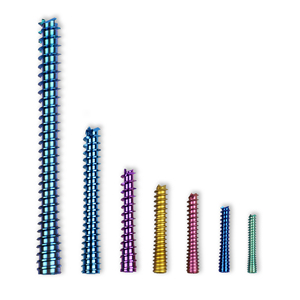
CANWELL Titanium Headless Cannulated Compression Screws Orthopedic Trauma Implant System CE Certified
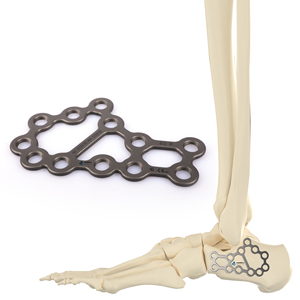
CANWELL Medical Calcaneal Locking Plate Titanium Foot Heel Bone Orthopedic Implants Factory Trauma Fracture Surgery OEM CE ISO
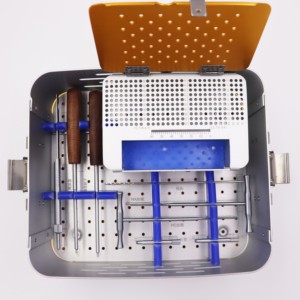
Factory Hot Sale Surgical Orthopedic Instruments Mini Locking Plate Instrument Kit
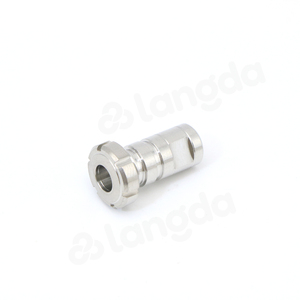
Precision ISO 13485 CNC Machining Stainless Steel Medical Parts Arthroscopic Shaver Blade Burr Tip Orthopedic Sports Medicine
Global Standards in Orthopaedic Manufacturing & Quality Engineering
In modern clinical orthopaedics, selecting a verified manufacturing partner goes beyond basic component supply. It requires rigorous alignment with international regulatory frameworks, flawless material metallurgy, precise CNC machining tolerances, and validated terminal sterilization processes. As a premier original equipment manufacturer (OEM) and global exporter of orthopaedic implants and surgical instruments, our operation adheres to complete quality lifecycle integration, serving hospital networks, regional distributors, and medical technology brand owners worldwide.
Every orthopaedic device—ranging from trauma locking plates and cannulated compression screws to complex spinal pedicle fixation systems and arthroscopic consumables—is manufactured in environment-controlled facilities operating under strict ISO 13485:2016 and ISO 9001 Quality Management Systems. Our raw materials are directly benchmarked against aerospace and surgical-grade standards to ensure absolute biological safety and biomechanical endurance inside the human body.
Core Manufacturing Capabilities & Cleanroom Infrastructure
Our centralized manufacturing hub combines multi-axis high-precision CNC Swiss turning centers, 5-axis vertical machining complexes, micro-laser marking, and automated color anodizing. Internal quality control (QC) enforces 100% optical and dimensional verification on critical threads, locking interfaces, and screw head recess geometries.
Surgical Metallurgy & PEEK
Processing certified Ti-6Al-4V (TC4), Pure Titanium (TA2/TA3), CoCrMo alloys, Ultra-High Molecular Weight Polyethylene (UHMWPE), and radiopaque implant-grade PEEK OPTIMA.
SAL 10⁻⁶ Gamma Sterilization
Cleanroom packaging (Class 100,000 / ISO Class 8) paired with validated Cobalt-60 (Co-60) gamma ray irradiation to deliver sterile, shelf-ready implants for immediate surgical use.
Full Technical Dossier Support
Providing technical files, bio-compatibility test results (ISO 10993), biomechanical fatigue reports (ASTM F543 / ISO 14801), and surgical technique guides to accelerate local health authority registrations.
Material Metallurgy Specification Matrix
The biomechanical success of internal fixation devices depends heavily on material yield strength, fatigue resistance, and modulus of elasticity. Below is a comprehensive specification matrix of the primary raw materials utilized in our manufacturing process:
| Material Classification | International Standard | Tensile Strength (MPa) | Yield Strength (MPa) | Primary Clinical Application |
|---|---|---|---|---|
| Pure Titanium Grade 2 (TA2) | ASTM F67 / ISO 5832-2 | ≥ 345 MPa | ≥ 275 MPa | Low-load craniomaxillofacial & reconstructive trauma plates |
| Pure Titanium Grade 3 (TA3) | ASTM F67 / ISO 5832-2 | ≥ 450 MPa | ≥ 380 MPa | Mini locking plates, olecranon plates, heel/calcaneal fixation |
| Titanium Alloy (Ti-6Al-4V / TC4) | ASTM F1472 / ISO 5832-3 | ≥ 930 MPa | ≥ 860 MPa | Cannulated compression screws, intramedullary nails, pedicle screws |
| Ti-6Al-4V ELI (Extra Low Interstitial) | ASTM F136 / ISO 5832-11 | ≥ 860 MPa | ≥ 795 MPa | High-fatigue spinal rod systems, hip stems, joint arthroplasty |
| Polyetheretherketone (PEEK) | ASTM F2026 | ≥ 90 MPa | ≥ 85 MPa | Interbody spinal fusion cages, suture anchors, radiolucent implants |
Orthopaedic Implant Technology & Manufacturing Development Trends
The global orthopaedic devices market is undergoing a structural transition driven by minimally invasive surgical (MIS) techniques, additive manufacturing, digitized pre-operative planning, and heightened regulatory standards such as the European Union Medical Device Regulation (EU MDR 2017/745). Procurement executives and healthcare institutions must align with manufacturers capable of bridging raw engineering excellence with futuristic surgical innovations.
1. Advanced Additive Manufacturing & Porous Surface Engineering
Conventional solid titanium implants are rapidly being enhanced by 3D-printed trabecular metal structures and advanced surface functionalization. Direct Metal Laser Sintering (DMLS) and Electron Beam Melting (EBM) allow manufacturers to fabricate interconnected porous titanium geometries with pore sizes between 300 to 600 microns. This closely mimics human cancellous bone structure, significantly reducing the modulus of elasticity to mitigate stress shielding while accelerating early osseointegration.
Furthermore, chemical surface modifications—such as Micro-Arc Oxidation (MAO), Type II/III hard anodization, and Hydroxyapatite (HA) plasma spraying—are now standard in joint arthroplasty and spinal fusion to promote osteoblast proliferation and secure long-term biological secondary fixation.
2. Expansion of Minimally Invasive & Endoscopic Instrumentation
Surgeons are increasingly shifting away from open anatomical exposures toward minimally invasive approaches to reduce intraoperative blood loss, infection rates, and patient recovery timelines. This trend has expanded demand for specialized implant delivery vectors and endoscopic systems, including:
- Unilateral Biportal Endoscopy (UBE) Sets: High-definition 4K endoscopic systems paired with dedicated radiofrequency plasma ablation probes and specialized micro-rongeurs for lumbar spinal decompression.
- Percutaneous Vertebral Augmentation: Closed balloon kyphoplasty (PKP) and vertebroplasty vacuum cement mixing kits that enable precise PMMA cement delivery under fluoroscopic control.
- Headless & Cannulated Trauma Fixation: Self-drilling, self-tapping compression screws designed for percutaneous insertion through small guide wires in scaphoid, calcaneal, and femoral neck fractures.
3. High-Performance Polymers (PEEK) vs. Titanium Alloys
While titanium alloys remain the benchmark for rigid structural osteosynthesis (such as long-bone fracture intramedullary nailing and heavy-load locking plates), Polyetheretherketone (PEEK) has captured dominance in soft tissue repair and spinal interbody fusion. PEEK's elastic modulus (~3.6 GPa) closely matches natural cortical bone (~18 GPa compared to titanium's ~110 GPa), minimizing stress shielding and subsidence risk. Additionally, radiolucent PEEK implants allow clear post-operative artifact-free imaging via X-ray, CT, and MRI, enabling surgeons to evaluate osseous fusion progress accurately.
Strategic Future Trends in Global Orthopaedic Procurement
Procurement directors and hospital supply chain managers face shifting economic realities, supply chain vulnerabilities, and stringent regulatory oversight. To maintain operational continuity and clinical satisfaction, strategic sourcing strategies are evolving across several key dimensions:
1. Transition to Ready-to-Use Sterile Packaging
Hospitals are migrating from non-sterile implants requiring in-house autoclaving toward individually blister-packed, pre-sterilized implants. Sterile packaged kits reduce sterilizing unit costs, lower nosocomial infection risks, guarantee 100% lot traceability to the operating table, and eliminate hospital inventory reprocessing bottlenecks.
2. Vendor Consolidation & Turnkey OEM Hubs
Managing multiple niche vendors introduces administrative overhead and quality auditing strain. Global buyers are consolidating orders with direct manufacturers who offer comprehensive specialty portfolios spanning trauma plates, spinal hardware, sports medicine anchors, and specialized surgical instrument trays under a single ISO 13485 audit framework.
3. Value-Based Procurement & TCO Optimization
Total Cost of Ownership (TCO) models are replacing unit-price negotiations. Procurement teams evaluate long-term outcomes, instrument tray reliability, surgeon learning curves, private labeling capabilities, and responsive technical support alongside competitive direct-factory pricing.
Navigating Regulatory Compliance: MDR & FDA Registration
Regulatory stringency is at an all-time high. The transition from MDD to EU MDR 2017/745 has increased technical documentation requirements for Class IIb and Class III implantable medical devices. Leading orthopaedic exporters support their global distribution network by maintaining updated Technical Files, Clinical Evaluation Reports (CER), and Risk Management Files compliant with ISO 14971. This regulatory backbone allows regional distributors to fast-track national healthcare registrations across Latin America, Southeast Asia, the Middle East, and Eastern Europe.
Frequently Asked Questions (Procurement & Technical Guide)
Below are essential technical and commercial answers addressing common inquiries from hospital purchasing departments, OEM contract buyers, and global medical device distributors.