Flagship Surgical Systems & Implants
Explore our CE & ISO 13485 accredited orthopedic implant families, surgical instrumentation sets, and operating theater equipment engineered for high-precision clinical performance.
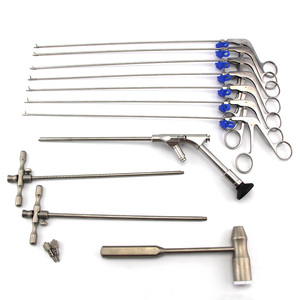
Endoscopic Discectomy Micro-Suction System
High-precision spinal endoscopic suction tubes designed for clear visual field maintenance during microendoscopic discectomy and spinal decompression procedures.
Send an Inquiry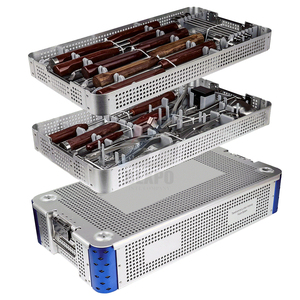
PEEK TLIF & Cervical Fusion Instrument Set
Class I manual surgical instrument system featuring radiopaque PEEK interbody fusion cages, trials, and ergonomic inserters for spinal fusion.
Send an Inquiry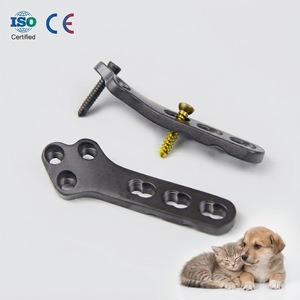
Veterinary TPLO Titanium Bone Locking Plate
CE-certified titanium locking plate system specifically contoured for canine tibial plateau leveling osteotomy (TPLO) veterinary trauma surgery.
Send an Inquiry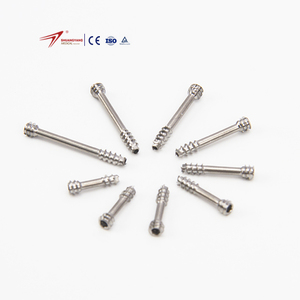
Titanium Headless Cannulated Herbert Screw
Variable-pitch headless compression cannulated screw forged from TC4 titanium (ASTM F1472) for scaphoid and intra-articular fracture osteosynthesis.
Send an Inquiry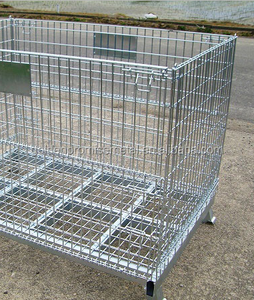
Sterile Supply Chain Transport & Storage Cage
Heavy-duty stainless steel wire mesh storage and transport basket designed for central sterile supply department (CSSD) logistics and warehouse management.
Send an Inquiry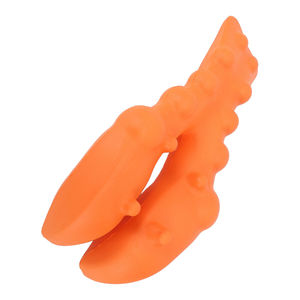
Cervical Traction & Occipital Release System
Ergonomic medical-grade EVA cervical spine rehabilitation device for occipital nerve decompression, neck pain therapy, and post-op physical recovery.
Send an Inquiry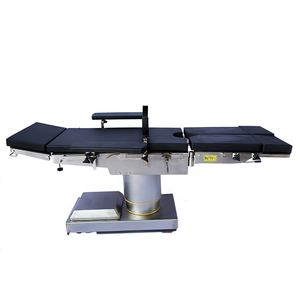
Orthopedic C-Arm Operating Theatre Table
Radiolucent carbon fiber surgical operating table optimized for C-arm intraoperative imaging, complex vascular procedures, and spinal trauma reduction.
Send an Inquiry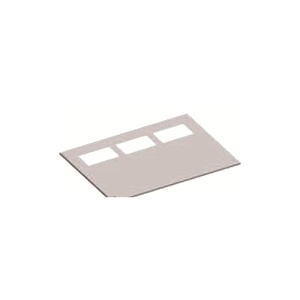
Modular OR Switchgear Enclosure Top Plate
Precision-engineered electrical isolation interface plate (325mm x 360mm) for operating room power management and hospital switchgear infrastructure.
Send an InquiryAuthoritative Orthopedic Manufacturing Excellence
As a global premier orthopaedic implant manufacturer, supplier, and exporter, our operations are fully synchronized with international medical quality standards. Operating under rigorous ISO 13485 and ISO 9001 quality management systems, our state-of-the-art production base integrates multi-axis high-speed CNC Swiss machining centers, EDM wire cutting, cleanroom sterile packaging, and advanced biomechanical testing facilities.
Certified Raw Biomaterials
We exclusively utilize medical-grade titanium alloys (Ti-6Al-4V / TC4 conforming to ASTM F1472), pure titanium (TA2/TA3 per ASTM F67), PEEK OPTIMA, and UHMWPE. Every material batch comes with mill certs and full biocompatibility documentation.
Precision OEM/ODM Customization
From CAD/CAM blueprint engineering to rapid prototyping, custom instrument tray design, laser etching, color anodization, and custom geometry implants, we provide end-to-end OEM turnkey contract manufacturing.
Co-60 Gamma Sterile Packaging
Our direct-to-OR sterile packaging systems utilize ISO Class 7 cleanrooms and Cobalt-60 gamma ray sterilization to achieve a Sterility Assurance Level (SAL) of 10-6, radically decreasing surgical site infection risk.
Technological Trends in Orthopedic Implant Manufacturing
An authoritative analysis of biomaterial innovations, surgical technique shifts, and manufacturing processes shaping the global orthopedic device industry.
1. Biomaterial Evolution: Advanced Titanium Alloys vs. Radiopaque PEEK
The modern orthopedic landscape demands biomaterials that achieve an optimal balance between fatigue strength, corrosion resistance, and modulus of elasticity matching native human cortical bone. Traditional metallic alloys are increasingly refined through micro-surface modification and additive manufacturing.
TC4 Titanium (Ti-6Al-4V ELI): Renowned for its exceptional strength-to-weight ratio and bio-inertness, TC4 remains the gold standard for trauma fixation plates, pedicle screw systems, and joint arthroplasty stems. Advanced anodization techniques create controlled oxide layers that optimize osseo-integration while allowing color-coded instrument matching during surgery.
Polyether Ether Ketone (PEEK): PEEK-OPTIMA has revolutionized spinal fusion and sports medicine suture anchors. Featuring an elastic modulus close to natural cancellous bone, PEEK eliminates the stress-shielding effect commonly associated with rigid metal cages. Combined with radiopaque markers (Tantalum pins), PEEK implants provide clear X-ray and MRI visualization without artifact interference.
| Biomaterial Standard | Tensile Strength (MPa) | Elastic Modulus (GPa) | Primary Clinical Application |
|---|---|---|---|
| Pure Titanium (ASTM F67 TA2/TA3) | ≥ 400 - 500 | 105 - 110 | Maxillofacial, rib locking plates, soft tissue fixation |
| Ti-6Al-4V ELI (ASTM F1472 TC4) | ≥ 930 | 110 - 114 | Trauma bone screws, intramedullary nails, spinal rods |
| PEEK OPTIMA (Polyetheretherketone) | ≥ 95 - 100 | 3.5 - 4.0 | Interbody fusion cages, sports medicine suture anchors |
| CoCrMo Alloy (ASTM F75) | ≥ 665 | 210 - 230 | Total knee arthroplasty femoral heads, bearing surfaces |
2. Minimally Invasive Surgery (MIS) & UBE Ecosystem Integration
Surgical practice is rapidly migrating toward Minimally Invasive Surgery (MIS) and Unilateral Biportal Endoscopy (UBE). UBE techniques utilize two independent surgical portals—one for high-definition 4K endoscopic visualization and one for surgical instruments—drastically reducing paraspinal muscle trauma, intraoperative blood loss, and patient recovery time.
Manufacturers must supply integrated instrument sets including micro-endoscopic suction tubes, specialized high-speed diamond burrs, radiofrequency plasma probes, and low-profile cannulated screw systems. Aligning implant design with MIS delivery systems is now a primary requirement for hospital tenders worldwide.
3. 3D Metal Printing & Porous Trabecular Surfaces
Direct Metal Laser Sintering (DMLS) and Electron Beam Melting (EBM) have enabled the commercial production of porous titanium implants mimicking human trabecular bone structure. Porous acetabular cups and spinal cages produced via 3D printing achieve superior mechanical interlock and biological bone ingrowth without needing secondary plasma spray coatings.
Global Orthopedic Procurement Trends & Supply Chain Dynamics
Strategic insights for hospital purchasing directors, OEM brand managers, and medical device distributors navigating regulatory compliance and global procurement.
1. Shift to Full-Portfolio Consolidation
Global hospital networks and healthcare distributors are aggressively consolidating vendors. Instead of sourcing trauma, spine, sports medicine, and joint replacement implants from fragmented suppliers, procurement leads prefer single-source OEM partners offering bundled product portfolios to lower administrative and logistics overhead.
2. EU MDR 2017/745 & UDI Traceability
With the transition from EU MDD to MDR, regulatory scrutiny has magnified requirement thresholds for clinical evaluation reporting (CER), post-market surveillance (PMS), and Unique Device Identification (UDI) laser marking. Leading exporters must maintain compliant technical dossiers (STED) to streamline international market registration.
3. Growth of Ready-to-Use Sterile Packaging
Non-sterile implants require complex hospital sterilisation cycles, increasing inventory holding costs and risk of cross-contamination. Pre-sterilized implants packaged in double-peel blister trays under Gamma irradiation are quickly becoming mandatory in western hospital operating rooms.
Custom OEM/ODM Manufacturing Workflow
A transparent, fully audited 5-stage contract manufacturing pipeline ensuring absolute blueprint compliance, mechanical validation, and regulatory readiness.
CAD/DFM Review
Blueprint evaluation, tolerancing optimization, and Design for Manufacturability analysis.
CNC Milling
High-speed 5-axis Swiss CNC machining with strict dimensional tolerances (±0.005mm).
Surface Treatment
Type II anodization, laser engraving UDI codes, ultrasonic cleaning, and electropolishing.
Cleanroom Pack
ISO Class 7 cleanroom double-blister sealing per ISO 11607 packaging standards.
Sterilization & Release
Co-60 Gamma ray processing reaching SAL 10-6 with full CoA certificate issuing.
Frequently Asked Questions (FAQ)
Essential insights for medical device buyers, regulatory officers, and international distributors.
Partner with a Globally Trusted Orthopedic Manufacturer
Whether you require catalog distribution, OEM contract manufacturing, or custom surgical instrument kit development, our engineering team is ready to support your market growth.
Send an Inquiry