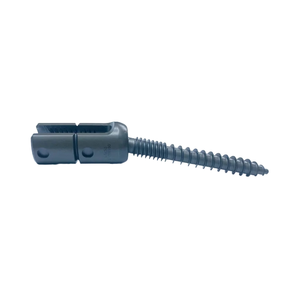
Featured Orthopedic Systems & Medical Instrumentation
Explore our CE-certified, ISO 13485-compliant orthopedic implant portfolios, specialized surgical kits, and precision OEM solutions exported worldwide.
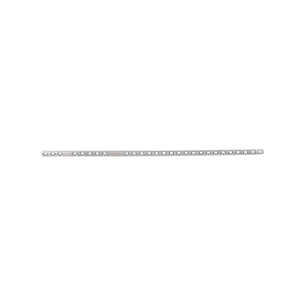
MEDICA Factory Price Orthopedic Implants Stainless Steel CE Certified 1.5 mm Straight Plate (thickening) Veterinary Hospital 1
Inquire Now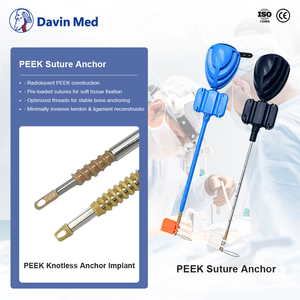
Arthroscopy PEEK Suture Anchor System For Soft Arthroscopy Of Soft Tissue Ligament Repair Orthopedic Implant In Sports Medicine
Inquire Now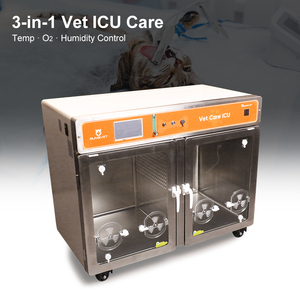
OliveVet Stainless Steel Dog Cat Oxygen Therapy Incubator Cabin Animal Pet Pets Veterinary ICU Cage
Inquire Now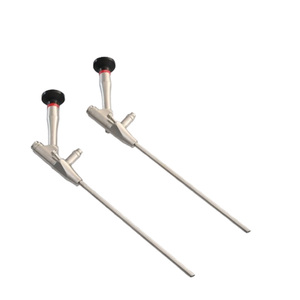
6.3mmX181mm Percutaneous Endoscopic Spine Instrument PTED System for Lumbar Disc Herniation and Discectomy Surgery
Inquire Now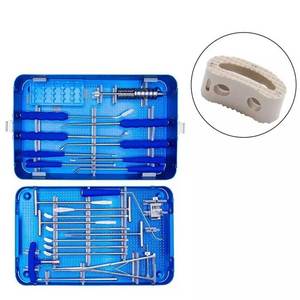
Azicon's TLIF PEEK Cage Instrument Set Transforaminal Lumbar Interbody Fusion Spinal Implantation Surgery Orthopedic Tool Kit
Inquire Now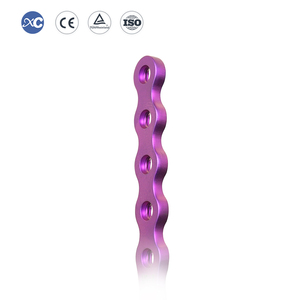
Titanium Veterinary Orthopedic Surgical Implant Plate 4.0mm T Type Locking Plate Medical Orthopedic IMplants
Inquire Now
E-IMAGE APM-06 Survey Top Plate for Camera Tripod Mounting Adapter with 5/8 Stud
Inquire NowISO 13485
Certified Quality System
SAL 10⁻⁶
Gamma Sterilization Assurance
ASTM F136
Medical Grade Titanium (Ti-6Al-4V)
80+
Global Sourcing Regions
Biomechanical Architecture & Engineering Standards of Mini External Fixators
Mini external fixation systems represent a vital technological bridge in modern orthopedic trauma, pediatric limb reconstruction, dynamic hand surgery, and oral-maxillofacial stabilization. Unlike heavy long-bone external frames designed for femur or tibia fracture reduction, mini external fixators are engineered to deliver precise, micro-adjustable stability to small osseous structures including metacarpals, phalanges, distal radius fragments, metatarsals, and pediatric long bones.
The primary clinical imperative of mini external fixation is to achieve rigid mechanical stability while minimizing soft-tissue disruption and periosteal devascularization. In complex high-energy hand trauma or open comminuted peri-articular fractures, internal osteosynthesis with micro-plates often necessitates extensive soft-tissue stripping, increasing the risk of avascular necrosis, tendon adhesion, and deep surgical site infection. Mini external fixators allow orthopedic surgeons to apply the principles of ligamentotaxis—restoring length, alignment, and rotation via soft-tissue tension—without compromising compromised skin envelopes.
Information Gain Insight: The mechanical efficacy of a mini external fixator depends on the bending stiffness of the pin-bar construct and the pullout force of the Schanz pins. Advanced micro-fixators utilize Grade 5 ELI Titanium Alloy (ASTM F136) or Carbon-Fiber Reinforced Polymer (CFRP) connecting rods, reducing overall construct weight by up to 45% while maintaining dynamic axial stability necessary for primary callus formation.
Metallurgical Selection and Mechanical Rigidity Criteria
Global procurement teams and medical device distributors must evaluate raw material specifications rigorously. Substandard alloys lead to pin bending, thread stripping, and micro-motion at the pin-bone interface, which induces pin-tract infection and premature mechanical loosening.
| Material Classification | Material Standard | Tensile Strength (MPa) | Biomechanical Application |
|---|---|---|---|
| Ti-6Al-4V ELI Alloy | ASTM F136 / ISO 5832-3 | ≥ 860 MPa | High-load mini fixator clamps, pin blocks, and multi-planar articulation joints. |
| Pure Titanium (Grade 2/3) | ASTM F67 / ISO 5832-2 | 400 – 550 MPa | Low-profile pediatric fixation plates, osteotomy stabilization pins. |
| 316LVM Stainless Steel | ASTM F138 / ISO 5832-1 | ≥ 930 MPa | High-shear Schanz pins, emergency trauma pin-fixation assemblies. |
| Carbon Fiber Composite | ISO 10993 Bio-compliant | Flexural Rigidity 120 GPa | Radiolucent connecting rods for uninterrupted C-arm fluoroscopy imaging. |
Product Classification & Clinical Application Matrix
Top-tier mini external fixator exporters provide modular systems adaptable to diverse anatomical constraints. Sourcing managers should select factory partners offering a unified instrumentation footprint across the following clinical categories:
Unidirectional Linear Mini Fixators
Engineered for metacarpal and phalangeal shaft fractures. Features low-profile aluminum or titanium clamp blocks with integrated worm-gear distraction mechanisms, allowing 0.5 mm incremental axial length adjustment.
Multi-Planar Articulating Fixators
Designed for intra-articular proximal interphalangeal (PIP) joint injuries and wrist fractures. Integrates universal ball-and-socket joints to permit controlled early active range of motion while maintaining dynamic joint distraction.
Mini-Ring & Hybrid Assemblies
Ilizarov-derived micro-ring designs tailored for pediatric foot/hand deformity corrections, phalangeal lengthening, and complex angular osteotomies utilizing tensioned K-wires (1.0 mm – 1.5 mm diameter).
Future Sourcing & Technology Procurement Trends (2025–2030)
The global external fixation market is undergoing a structural paradigm shift driven by technological innovations in minimally invasive surgery, infection prevention, and supply chain rationalization:
- Transition to Single-Use Pre-Sterilized Kits: Hospital networks are phasing out bulk non-sterile implant trays requiring hospital-side autoclave processing. Procurement is shifting rapidly toward gamma-sterilized (SAL 10⁻⁶), single-patient fixator kits packed in double-barrier Tyvek blister pouches.
- Radiolucent PEEK & Carbon Composite Components: Intraoperative visualization under C-arm fluoroscopy is paramount. Advanced factories are replacing metallic clamping blocks with radiolucent Polyetheretherketone (PEEK) matrix structures to eliminate imaging shadow artifacts during reduction.
- HA-Coated Bio-Interactive Fixation Pins: Pin-tract infection remains the primary complication in external fixation (occurring in 10%–25% of clinical cases). Hydroxyapatite (HA) plasma-sprayed Schanz pins accelerate osteointegration at the cortical interface, suppressing epithelial down-growth and bacterial colonization.
- Regulatory Tightening (EU MDR & US FDA 510k): Uncertified tier-3 factories are being eliminated from global supply chains. Exporters must provide full material heat-number traceability, ISO 13485 QMS documentation, biocompatibility testing (ISO 10993), and dynamic fatigue test reports (ASTM F1541).
Factory Selection Guidelines: Evaluating OEM/ODM Manufacturing Excellence
When auditing top trusted mini external fixator factories in China and globally, healthcare enterprise buyers must verify specific operational and engineering benchmarks:
Swiss CNC Precision Machining
Mini fixator clamps require tolerances within ±0.005 mm. Leading factories utilize 9-axis Citizen or Tsugami Swiss-type CNC lathes to execute clamping threads and ball-joints in a single setup, eliminating concentricity errors.
Class 100,000 Cleanroom Packaging
Sterile-packaged implants must be processed in ISO Class 8 (Class 100,000) environment cleanrooms certified under EN ISO 14644, ensuring zero particulate contamination prior to Co-60 gamma sterilization.
Registration & Technical Files
A true OEM export partner provides comprehensive Technical Files (STED format), surgical technique guides, cleaning/disinfection validation protocols, and CAD models to support local registration in target markets.
Enterprise Manufacturing Infrastructure: Orthi Medical Co., Ltd. integrates raw material spectrographic testing, 100% optical coordinate inspection, laser-etched batch numbering, and modular color-anodized tray packaging. Sourcing directly from certified original manufacturers ensures direct price-to-quality control, eliminating middleman distributor margins.
Frequently Asked Questions: Mini External Fixator Procurement
Technical, regulatory, and supply chain insights for hospital purchasing managers, OEM brands, and medical device importers.
How do mini external fixators compare to internal locking micro-plates for metacarpal fractures?
Mini external fixators provide superior soft-tissue preservation in open, comminuted, or contaminated fractures where extensive surgical exposure for micro-plating risks periosteal stripping, tendon adhesion, or infection. Fixators allow dynamic distraction and early joint mobilization via ligamentotaxis, whereas locking plates offer rigid internal fixation but require greater soft-tissue dissection.
What raw material standards are required for mini fixator Schanz pins to prevent corrosion and pin snapping?
Fixation pins must be manufactured strictly from medical-grade Titanium Alloy (Ti-6Al-4V ELI per ASTM F136) or High-Nitrogen Stainless Steel (316LVM per ASTM F138). Raw bar stock must undergo ultrasonic flaw detection and spectrographic chemical analysis. Every lot should include a certified mill test report ensuring ultimate tensile strength exceeds 860 MPa for titanium and 930 MPa for stainless steel.
Can Orthi Medical supply custom OEM/ODM mini fixators based on custom CAD drawings?
Yes. We provide complete OEM/ODM manufacturing services, including drawing-based CNC machining, rapid prototyping, custom clamp geometry modifications, laser marking with your private brand logo, custom color-anodization, and custom instrument tray layout development under strict ISO 13485 quality protocols.
What design features prevent pin-tract infection and micro-motion at the pin-bone interface?
Modern mini fixator pins incorporate self-drilling, self-tapping tip flutes engineered to minimize frictional heat generation (keeping temperature below 47°C during insertion to avoid thermal osteonecrosis). Tapered core threads generate radial cortical compression, significantly improving initial insertion torque and pull-out strength. Optional Hydroxyapatite (HA) bio-coating further enhances long-term osteointegration.
What is the standard sterility assurance level (SAL) for factory-packaged sterile mini fixator kits?
Our sterile-packaged external fixation systems are processed in ISO Class 8 cleanrooms and sterilized using Cobalt-60 gamma irradiation to achieve a validated Sterility Assurance Level (SAL) of 10⁻⁶ in accordance with EN ISO 11137 standards. Packaging utilizes medical-grade Tyvek blister trays with a verified 5-year shelf-life stability.
What regulatory documentation is included to assist local medical device registration?
We provide complete regulatory support documentation including ISO 13485 certificates, CE certificates of conformity, ISO 10993 biocompatibility evaluation reports, ASTM F1541 mechanical fatigue test results, STED technical files, process validation reports, and step-by-step surgical technique manuals.
Partner with a Certified Mini External Fixator Manufacturer
Streamline your medical device supply chain with high-precision mini external fixators, specialized orthopedic trauma plates, spine systems, and custom OEM packaging solutions. Sourcing direct from certified manufacturing facilities.