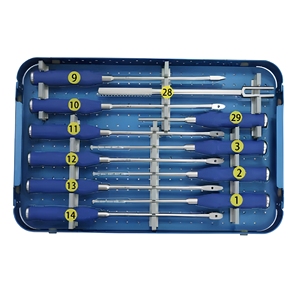
Hip Replacement Instruments Veterinary Orthopedic Hip Implant
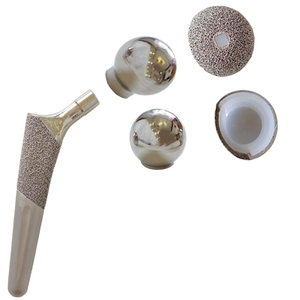
Engineered from biocompatible TC4 Titanium alloy and Cobalt-Chrome CoCrMo. Designed for micro-hip reconstruction with anatomically contoured stem geometry.
Standardized ASTM-compliant implants, precision power instruments, and specialized surgical components for global OEM distributors and clinical buyers.
Engineered from biocompatible TC4 Titanium alloy and Cobalt-Chrome CoCrMo. Designed for micro-hip reconstruction with anatomically contoured stem geometry.
Radiolucent PEEK interbody fusion device for Posterior Lumbar Interbody Fusion. Features integrated Tantalum markers for precise imaging orientation.
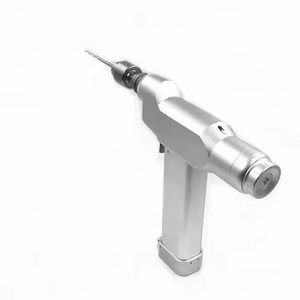
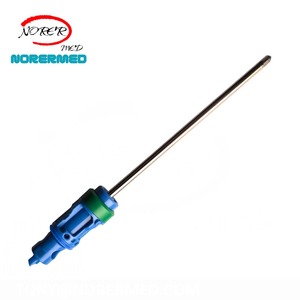
Autoclavable high-torque brushless surgical drill motor with stepless speed control. Optimized for intramedullary reaming and K-wire placement.
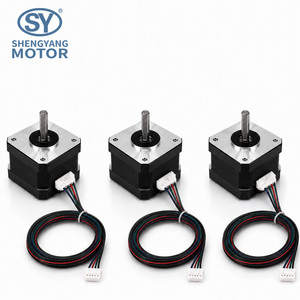
NEMA 17 high-precision hybrid drive module (1.2A, 0.31Nm). Tailored for surgical robotic automation, 3D bio-printing, and micro-fluidic pumps.
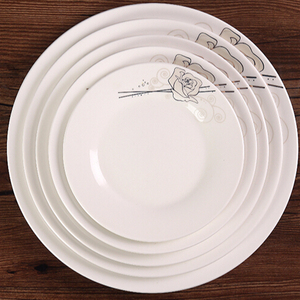
Ultra-dense, non-reactive technical ceramic substrate modules manufactured to stringent bio-density tolerances for specialized laboratory evaluation.
Ultra-sharp 316L stainless steel arthroscopic cutter blades and burrs. Compatible with standard minimally invasive arthroscopy systems.
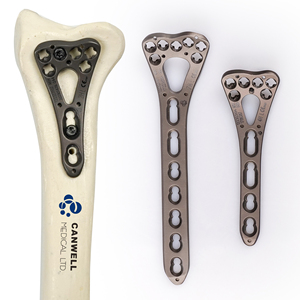
Anatomically pre-shaped polyaxial variable-angle locking system. Manufactured from pure titanium TA3 / TC4 to minimize soft tissue impingement.
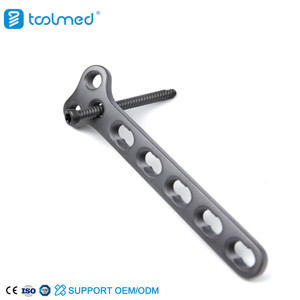
High fatigue strength T-plate for osteotomy and fracture osteosynthesis in small animal veterinary orthopedics. Certified under ISO 13485 quality standards.
Providing technical transparency, rigid quality assurance, and high-volume industrial output for healthcare procurement officers worldwide.
The global orthopedic medical device market is undergoing an unprecedented structural evolution. Driven by an aging worldwide population, rising incidence of musculoskeletal degenerative disorders, and increasing patient expectations for rapid postoperative recovery, hospital systems and medical distributors face growing pressures. Navigating this landscape requires balancing uncompromising biological safety, strict regulatory compliance (CE MDR, US FDA, ISO 13485), and unit economics.
Historically, orthopedic purchasing relied heavily on domestic OEM behemoths. However, global procurement leaders are restructuring supply strategies around contract manufacturing specialists and specialized medical exporters in Asia. Leading orthopedic implant manufacturers have elevated their technological capabilities from simple mechanical machining to advanced bio-material engineering, additive 3D porous titanium manufacturing, automated cleanroom packaging, and rigorous fatigue testing protocol execution.
In human and veterinary orthopedics, implant failure is clinically acceptable at rates close to zero. Consequently, evaluating an orthopedic implant supplier requires scrutinizing their metallurgical source chain and mechanical testing rigor. Primary implant materials—ranging from commercially pure Titanium (TA2/TA3 per ASTM F67) to ultra-high strength Titanium Alloy (Ti-6Al-4V / TC4 per ASTM F1472 and ASTM F136 ELI)—must exhibit optimum Young’s modulus characteristics close to human cortical bone to mitigate stress shielding effects.
Furthermore, spinal interbody devices utilize medical-grade PEEK (Polyetheretherketone) to enable radiolucency under intraoperative fluoroscopy, allowing orthopedic surgeons to evaluate bone fusion progress without artifact disruption. Top-tier implant suppliers integrate finite element analysis (FEA) into product development cycles, validating structural fatigue behavior through millions of loading cycles before mass production commences.
Discover how advanced surface treatments, additive manufacturing, and minimally invasive surgical paradigms are altering OEM technical criteria.
Direct Metal Laser Sintering (DMLS) creates trabecular bone-mimicking porous architectures (50–70% porosity), inducing osteoblast migration and rapid secondary stability without relying solely on bone cement.
Distributors are shifting procurement toward pre-sterilized, single-use packaged implants (Co-60 Gamma rays, SAL 10⁻⁶). This eliminates hospital reprocessing costs and minimizes cross-contamination risks in the operating theater.
Implants designed for Unilateral Biportal Endoscopy (UBE) and percutaneous pedicle screw placement feature low-profile shapes and color-coded anodized instrument trays to accelerate intraoperative speed.
Leading global buyers demand drawing-based multi-axis CNC micro-machining, laser-etched UDI barcodes, customized titanium anodization color codes, and region-specific technical registration dossiers.
Modern bone plates, joint components, and spinal instruments feature integrated spatial tracking markers compatible with optical and electromagnetic surgical navigation systems.
To guard against regional trade disruptions, healthcare buyers are establishing verified OEM partnerships with tier-1 accredited manufacturers offering end-to-end traceably documented supply chains.
Detailed engineering benchmarks for raw titanium bars, PEEK polymer formulations, and mechanical testing compliance.
| Material Classification | International Standard | Tensile Strength (MPa) | Yield Strength (MPa) | Primary Clinical Applications |
|---|---|---|---|---|
| Pure Titanium Grade 2 (TA2) | ASTM F67 / ISO 5832-2 | ≥ 345 MPa | ≥ 275 MPa | Low-load maxillofacial plates, cranial repair, soft tissue anchors. |
| Pure Titanium Grade 3 (TA3) | ASTM F67 / ISO 5832-2 | ≥ 450 MPa | ≥ 380 MPa | Osteotomy plates, veterinary trauma plates, rib fixation devices. |
| Ti-6Al-4V Alloy (TC4) | ASTM F1472 / ISO 5832-3 | ≥ 930 MPa | ≥ 860 MPa | Trauma locking plates, cannulated compression screws, intramedullary nails. |
| Ti-6Al-4V ELI (Extra Low Interstitial) | ASTM F136 / ISO 5832-11 | ≥ 860 MPa | ≥ 795 MPa | Pedicle screw systems, joint arthroplasty stems, high-fatigue joint components. |
| Medical Grade PEEK (Polyetheretherketone) | ASTM F2026 | ≥ 95 MPa | ≥ 90 MPa | PLIF / TLIF spinal cages, zero-profile cervical fusion devices, suture anchors. |
| Cobalt-Chromium-Molybdenum (CoCrMo) | ASTM F75 / ISO 5832-4 | ≥ 665 MPa | ≥ 450 MPa | Femoral head joint components, total knee bearing surfaces, high-load wear interfaces. |
From raw material ingot inspection to cleanroom packaging, our vertically integrated infrastructure safeguards your brand reputation.
Every single batch of raw titanium bar or PEEK resin undergoes chemical composition spectrographic analysis and ultrasonic flaw detection. Mill certificates are linked directly to unique lot tracking numbers for lifetime traceability.
Equipped with high-precision Swiss-type 5-axis CNC machining centers, specialized thread whirling tools, and automated surface polishing units to maintain micrometric dimensional tolerances (±0.005mm).
We empower OEM partners with registration dossiers, including biocompatibility reports (ISO 10993), mechanical fatigue testing data (ASTM F543 for bone screws, ASTM F1717 for spinal constructs), and cleaning validation documentation.
We actively bridge clinical practice and manufacturing engineering. Through ongoing surgical technique guide development, cadaveric workshop support, and clinical feedback loops, our designs reflect realistic operating room needs.
Implants are cleaned using multi-stage ultrasonic deionized water lines and assembled within certified Class 10,000 (ISO Class 7) cleanrooms. Sterile barrier packaging guarantees a 5-year shelf life under Co-60 Gamma ray sterilization.
By streamlining raw material procurement, cell automation, and export logistics, we deliver premium-grade orthopedic solutions that significantly optimize hospital purchasing margins without sacrificing patient safety.
Addressing essential technical, regulatory, and logistics queries for international medical distributors and procurement managers.
Partner with an ISO 13485 certified orthopedic manufacturer. Request our comprehensive product catalog, engineering data sheets, and OEM price quotes today.