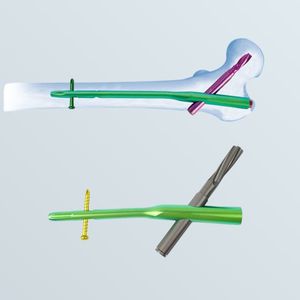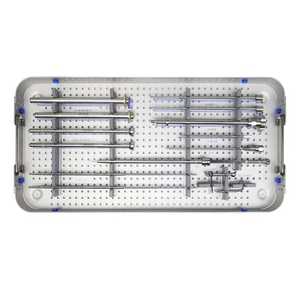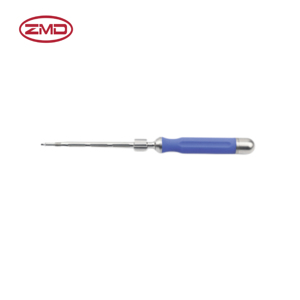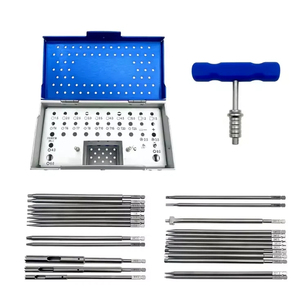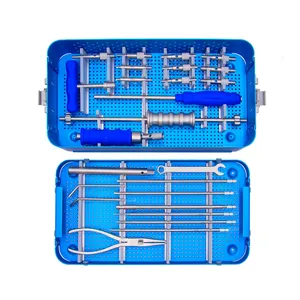
Surgical Internal Fixation Implant Intramedullary Nail Removal Instruments Set
- Material: Medical-Grade Stainless Steel & Titanium
- Compatibility: Universal AO Quick-Coupling System
- Features: Reverse-threaded extractors, trephine drills
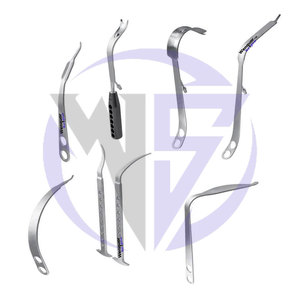
As healthcare systems worldwide demand enhanced biomechanical performance, long-term biocompatibility, and strict regulatory compliance, selecting an established OEM/ODM orthopedic manufacturer becomes a critical strategic decision. This technical whitepaper evaluates certified implant technologies, advanced alloy metallurgy, surface modification protocols, and global export standards governing trauma, spinal, and arthroplasty surgical devices.
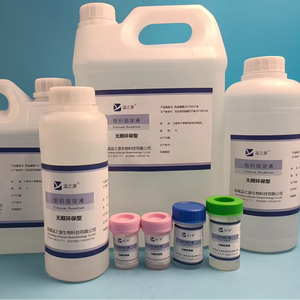
Explore high-precision implant devices, specialized surgical extraction kits, and laboratory supplies manufactured under rigorous ISO 13485 and ISO 9001 quality management standards.
Selecting the appropriate implant biomaterial is paramount to preventing stress shielding, micro-motion wear, and fatigue failure. Leading FDA-compliant manufacturers utilize strictly audited medical-grade alloys adhering to international standards.
| Biomaterial Specification | Standard Compliance | Tensile Strength (MPa) | Yield Strength (MPa) | Elastic Modulus (GPa) | Primary Clinical Applications |
|---|---|---|---|---|---|
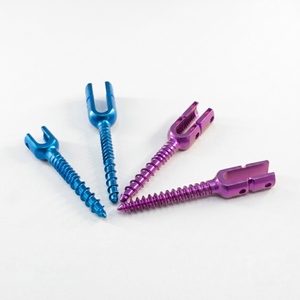
| Ti-6Al-4V (Grade 5 / TC4) | ASTM F1472 / ISO 5832-3 | ≥ 930 MPa | ≥ 860 MPa | 110–114 GPa | Pedicle Screws, Trauma Plates, Intramedullary Nails |
| Unalloyed Titanium (Grade 2/3) | ASTM F67 / ISO 5832-2 | 400 – 500 MPa | 275 – 380 MPa | 100–105 GPa | Cervical Plates, Craniofacial Fixation, Mesh Cages |
| PEEK-OPTIMA (Polyetheretherketone) | ASTM F2026 | 90 – 100 MPa | 110 – 130 MPa | 3.5–4.0 GPa | Interbody Fusion Cages, Suture Anchors |
| Cobalt-Chromium Alloy (CoCrMo) | ASTM F75 / ISO 5832-4 | ≥ 665 MPa | ≥ 450 MPa | 210–230 GPa | Femoral Heads, Total Knee Arthroplasty Trays |
| 316LVM Stainless Steel | ASTM F138 / ISO 5832-1 | ≥ 860 MPa | ≥ 690 MPa | 190–200 GPa | Temporary Fixation Screws, Surgical Extraction Tooling |
Biomechanical Information Gain: Titanium alloy Ti-6Al-4V remains the gold standard for load-bearing orthopedic trauma due to its favorable strength-to-weight ratio and superior biocompatibility compared to traditional stainless steels. Additionally, PEEK implants present an elastic modulus (3.5 GPa) closely matching human cancellous bone, significantly minimizing stress shielding phenomena in lumbar and cervical spinal fusion procedures.
The global medical device market is undergoing structural shifts toward customized care, pre-sterilized distribution models, and stringent regulatory audits under MDR (EU) 2017/745 and US FDA 510(k) oversight.
Additive manufacturing (SLM/EBM) enables direct fabrication of porous titanium structures simulating natural trabecular bone architecture. Pore size optimization (300–600 μm) encourages rapid osteointegration and vascularization, eliminating the risk of plasma-spray delamination in primary joint replacements and interbody cages.
Hospitals and ambulatory surgical centers (ASCs) are rapidly adopting single-use, sterile-packaged bone plates and trauma screws. Pre-sterilized implants (Co-60 Gamma irradiated to SAL 10⁻⁶) eliminate sterile processing department (SPD) bottlenecks, lower nosocomial infection risks, and drastically cut reprocessing overheads.
Global brand owners are consolidating vendor networks in favor of full-spectrum OEM/ODM partners offering vertically integrated capabilities—from raw bar stocking and Swiss 5-axis CNC turning to laser marking, Type II/III color anodizing, modular tray assembly, and FDA regulatory documentation support.
Delivering uncompromised surgical implants demands stringent operational controls, audited raw material supply chains, and extensive mechanical testing protocols.
Essential answers regarding regulatory filings, raw material certificates, sterile packaging options, and contract manufacturing lead times.