Certified Orthopedic Implants & Precision Surgical Instruments
Engineered under stringent ISO 13485 quality standards utilizing implant-grade Titanium alloys (ASTM F1472 / TC4), PEEK-OPTIMA polymers, and medical-grade stainless steel.
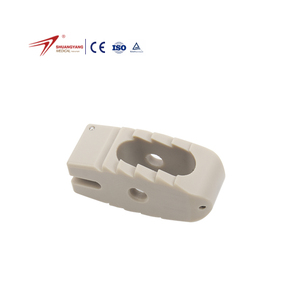
Shuangyang Orthopaedic Surgery Implants Corpectomy Cervical Interbody Fusion Cage Spine Cervical Cage Made of Peek
Get Catalog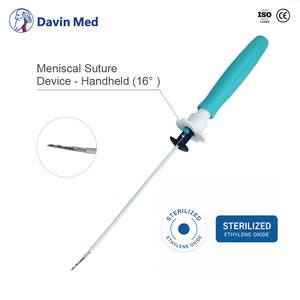
CE ISO Certified Sports Medicine Meniscal Suture Repair System Orthopedic Arthroscopic Instrument Knee Implants
Get Catalog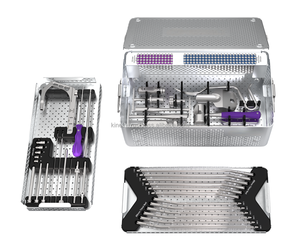
Aluminium Interlocking Nail Tibia Femur Instrument Set Distal Jig Target Arm Intramedullary Tibia Femur Nail Orthopedic Surgery
Get Catalog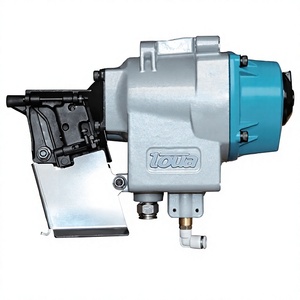
Premium Toua Nailing Heads CN55PALF Pneumatic Coil Nailer Aluminum Body 2-1/4 Nail Length Industrial Woodworking Equipment
Get Catalog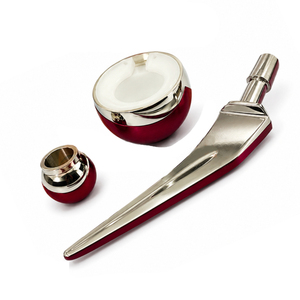
Orthopedic Hip Bipolar Prosthesis Implant for Femoral Neck Fracture Replacement Bipolar Femoral Head Prosthesis
Get Catalog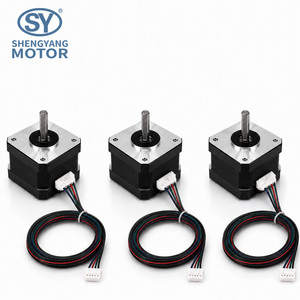
Factory Supply NEMA 17 42x42x34mm 1.2A 0.31Nm 4Lead High Precision Bipolar 12V Hybrid Stepper Motor for 3D Printer
Get Catalog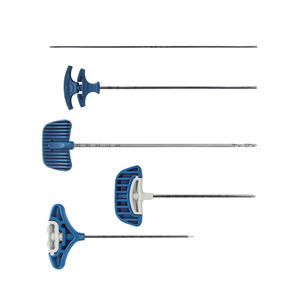
AISLING INTERNATIONAL High Quality Manual Stainless Steel Thoracic Kyphoplasty Kit System Set Vertebroplasty Tool Set Reusable
Get Catalog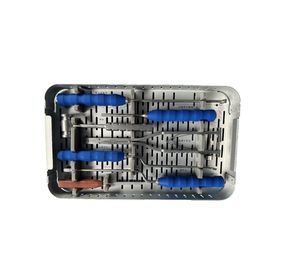
Stainless Steel Cervical Spine Implants Cervical Interbody Fusion Cage Mesh Cage Instrument Set Manual Power Source Surgiright
Get CatalogNavigating the Global Orthopedic Implant Manufacturing Landscape
A comprehensive analysis for medical device procurement directors, OEM brand owners, and hospital networks evaluating audited orthopedic implant factories.
Manufacturing Infrastructure & Enterprise Competence
Our facility operates at the intersection of medical engineering precision and stringent regulatory assurance.
5-Axis Swiss CNC Machining
Equipped with ultra-precise Citizen and Star Swiss-type automatic lathes and 5-axis DMG MORI machining centers. We execute complex geometric profiles, micro-threading, and contoured anatomical surfaces with tolerances controlled within ±0.005mm.
Certificated Metallurgy
Every implant batch uses raw material bar stock conforming strictly to ASTM F1472 (Ti-6Al-4V / TC4 titanium alloy), ASTM F67 (pure titanium TA2/TA3), ASTM F2026 (PEEK-OPTIMA), and ISO 5832 specifications. Certified mill test reports accompany all shipments.
Full OEM / ODM Customization
From customer drawing reviews to rapid functional prototype fabrication, color anodizing, laser etching of UDI (Unique Device Identification) codes, custom instrument tray design, and private label packaging, we offer end-to-end contract manufacturing.
ISO Class 7 Cleanroom & Sterilization
Implants undergo automated ultrasonic cleaning and pass into certified ISO Class 7 cleanrooms for assembly and double-blister packaging. Sterilization is validated via Cobalt-60 Gamma Irradiation achieving a Sterility Assurance Level (SAL) of 10⁻⁶.
Regulatory Dossier Support
We provide complete Technical Files, STED (Summary Technical Documentation), biocompatibility testing reports (ISO 10993), biomechanical test data (ASTM F543 for bone screws, ASTM F2077 for fusion cages), and surgical technique guides for global registration.
Global Supply Chain Traceability
Every finished implant is serialized and digitally linked to its raw material heat number, manufacturing operator, CNC machine log, CMM inspection chart, and sterilization batch code, guaranteeing 100% downstream accountability.
Future Procurement Trends in Orthopedic Device Manufacturing (2025–2030)
Key market shifts transforming how hospital procurement networks, international distributors, and OEM buyers source orthopedic hardware.
1. Pre-Sterilized Single-Use Packaging Adoption
Traditional non-sterile implants requiring hospital-side autoclave sterilization are rapidly giving way to factory-sealed, gamma-sterilized double-blister packs. This shift eliminates hospital reprocessing costs, minimizes operating room set-up time, and reduces nosocomial surgical site infection (SSI) risks to near zero.
2. Consolidation to Full-Portfolio Suppliers
Leading healthcare procurement teams are streamlining their vendor networks by partnering with integrated manufacturers capable of delivering across multiple sub-specialities—including trauma locking plates, spinal fixation systems, sports medicine anchors, and joint replacement implants—under unified quality audits.
3. Rapid OEM Technical File Accessibility
With the full implementation of EU MDR (2017/745) and stringent FDA post-market surveillance demands, distributors require contract manufacturers who provide open-book technical dossiers, valid biocompatibility protocols, and complete fatigue test matrices without delays.
Technological Development Trends in Next-Gen Orthopedic Implants
How material science, additive manufacturing, and minimally invasive surgical designs are shaping future product portfolios.
3D-Printed Porous Titanium Structures
Additive manufacturing via Selective Laser Melting (SLM) enables the creation of biomimetic trabecular structures. Featuring controlled porosity (60–80%) and pore sizes ranging from 300–600 microns, these surfaces match natural cancellous bone modulus, virtually eliminating stress shielding and encouraging direct bone ingrowth.
Advanced PEEK Polymers & Carbon-PEEK
Polyetheretherketone (PEEK) remains the gold standard for spinal interbody fusion due to its radiolucency and modulus of elasticity identical to human cortical bone. Advanced iterations incorporate Hydroxyapatite (HA) or carbon fibers to enhance primary bioactivity and mechanical shear strength.
Minimally Invasive (MIS) & UBE Systems
Implants and associated instruments are undergoing redesign for Unilateral Biportal Endoscopy (UBE) and percutaneous placement. Low-profile anterior cervical plates, cannulated pedicle screws for cement augmentation, and expandable interbody cages reduce soft tissue trauma and patient recovery times.
Orthopedic Raw Material Technical Specifications
Comparative biomechanical properties for surgical implant manufacturing selection.
| Material Standard | Composition / Grade | Tensile Strength (MPa) | Yield Strength (MPa) | Elastic Modulus (GPa) | Primary Clinical Applications |
|---|---|---|---|---|---|
| ASTM F1472 / ISO 5832-3 | Ti-6Al-4V (Grade 5 Alloy) | ≥ 930 | ≥ 860 | 110–114 | Trauma Locking Plates, Pedicle Screws, Joint Stems |
| ASTM F67 / ISO 5832-2 | Unalloyed Pure Titanium (TA2/TA3) | 400 – 550 | 275 – 450 | 105–110 | Cervical Mesh Cages, Craniofacial Plates, Rib Plates |
| ASTM F2026 | PEEK-OPTIMA Polymer | 90 – 100 | ≥ 90 | 3.5 – 4.0 | Cervical & Lumbar Interbody Cages, Suture Anchors |
| ASTM F138 / ISO 5832-1 | 316L Stainless Steel | ≥ 860 | ≥ 690 | 190–200 | Interlocking Intramedullary Nails, Kyphoplasty Tools |
| ASTM F75 / ISO 5832-4 | Cobalt-Chromium (CoCrMo) | ≥ 665 | ≥ 450 | 210–230 | Femoral Heads, Total Knee Arthroplasty Components |
Frequently Asked Questions (FAQ) for B2B Sourcing
Addressing crucial technical, regulatory, and logistics queries raised by medical device buyers.
What international quality certifications do your orthopedic factories hold?
What are the options for contract manufacturing, OEM, and private label branding?
Can implants be supplied in pre-sterilized packaging?
How do you ensure batch-to-batch product consistency and fatigue resistance?
What technical documentation is provided to support local product registration?
What are your standard lead times and Minimum Order Quantities (MOQs)?
Partner with a Certified Orthopedic Implant Manufacturer
Accelerate your market expansion with ISO 13485 certified trauma, spine, sports medicine, and joint replacement implants. Contact our engineering team today to request product catalogs, technical documentation, or customized OEM quotes.
Get Catalog