Featured Product Portfolio
Medical & Specialty Bone Staple Fastening Catalog
Direct factory sourcing of ISO 13485 certified orthopedic bone staples, surgical skin staplers, soft-tissue anchors, and industrial specialty staples for global distributors and OEM buyers.
Heavy-Duty Hardware
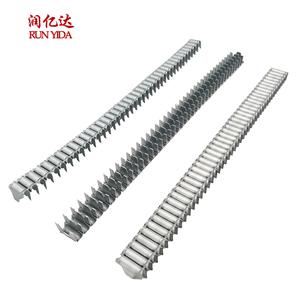
M85 CL-36 U-Type Iron Staples Insulated Fastener Clip
Smooth shank U-type fasteners designed for heavy industrial assembly, wire mesh boundary setting, and specialized structural framing applications.
Inquire Now
Industrial Fasteners
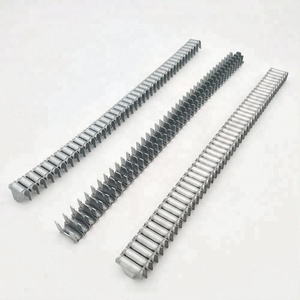
M85 CL-36 Insulated Staple Fastener Bonell Fitting
Precision-engineered clips providing corrosion resistance and tensile strength for industrial joint securing and heavy spring assembly.
Inquire Now
Sports Medicine
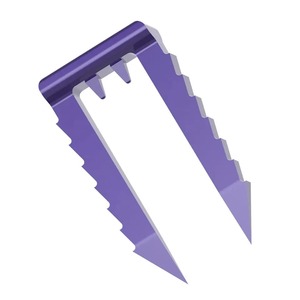
Titanium Ligament Orthopedic Bone Staples
ASTM F1472 Ti-6Al-4V titanium alloy staples for tendon-to-bone fixation, osteotomy compression, and reconstructive joint procedures.
Inquire Now
Surgical Padding Materials
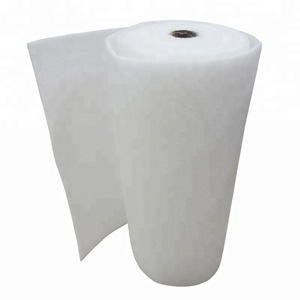
Thermal Bonded Virgin Fiber Roll Padding Material
Hollow-style virgin fiber roll used for medical cast padding, orthotic lining, and orthopedic compression dressing support.
Inquire Now
Surgical Closure
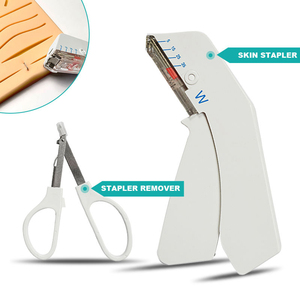
CE Certified Disposable Medical Skin Stapler System
Gamma-sterilized manual skin stapler pre-loaded with medical-grade stainless steel staples for rapid wound closure in trauma surgery.
Inquire Now
OEM Veterinary Staple Food
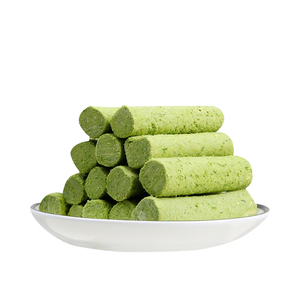
Freeze-Dried Raw Bone Meat High-Protein Molar Staple
Grain-free raw bone and meat protein formulation for specialized animal nutrition, molar health, and veterinary dietary support.
Inquire Now
OEM Veterinary Formulations
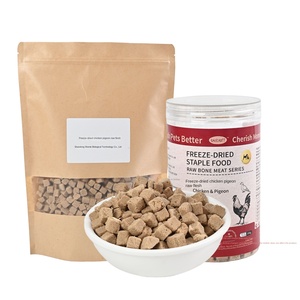
Custom Raw Bone & Meat High-Protein Veterinary Staple
Eco-friendly freeze-dried raw bone dietary staples enriched with essential vitamins and micro-minerals for clinical animal care.
Inquire Now
Specialty Clinical Dietary
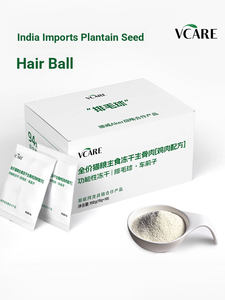
VCare Freeze-Dried Raw Bone Meat Clinical Nutrition
Specialized raw bone meat block formulation combined with krill oil designed for coat resilience, skin integrity, and joint recovery.
Inquire Now
ISO 13485
Certified Quality Management System
CE & FDA
Global Regulatory Dossiers Ready
SAL 10-6
Co-60 Gamma Sterilized Packaging
80+
Countries In Global Supply Network
B2B Sourcing Intelligence
Executive Summary: The Evolution of Bone Staple Systems in Orthopedic Surgery
In modern orthopedic surgery—encompassing foot & ankle reconstruction, hand & wrist osteotomies, sports medicine ligament reattachment, and joint arthrodesis—the choice of internal fixation hardware directly influences union rates, operatory efficiency, and post-operative recovery timelines. Historically, orthopedic surgeons relied heavily on static bicortical bone screws and rigid compression plates. However, clinical evidence highlights critical limitations in conventional static hardware, such as stress shielding, surgical site trauma from extensive periosteal stripping, and high hardware removal rates.
This technical whitepaper provides healthcare procurement directors, medical device distributors, and OEM purchasing executives with comprehensive intelligence on the bone staple manufacturing ecosystem. As leading manufacturers transition from basic titanium alloy U-staples to thermal memory Nitinol continuous dynamic compression staple systems, understanding material science, factory quality control standards (ISO 13485), and international regulatory compliance (CE Mark, EU MDR 2017/745, FDA 510k) becomes paramount for securing competitive market advantages.
Foot & Ankle Reconstruction
Widespread adoption in Lapidus arthrodesis, Akin osteotomy, calcaneal osteotomy, and tarsometatarsal (TMT) fusion due to rapid low-profile bicortical insertion without extensive bone resection.
Hand & Upper Extremity
Utilized in scaphoid fracture repair, intercarpal arthrodesis, and distal radius osteotomies where minimal hardware prominence is crucial to prevent tendon impingement.
Sports Medicine & Ligaments
Pre-contoured barbed titanium staples facilitate secure fixation of soft-tissue grafts, anterior cruciate ligament (ACL) reconstruction repairs, and tendon reattachment.
Engineering & Metallurgy
Materials Science: Titanium Alloys vs. Nitinol Shape Memory Staples
The mechanical efficacy of a bone staple hinges on its ability to maintain uninterrupted compressive force across the osteotomy or fracture interface throughout the entire bone healing cycle. When bone resorption occurs naturally during the initial inflammatory phase (typically the first 2 to 6 weeks post-surgery), static fixation hardware loses active compressive load, introducing micro-motion and increasing non-union risk. Below is an engineering comparison of primary implant materials manufactured at leading certified facilities.
| Material Property / Specification |
Static Titanium (Ti-6Al-4V ELI) |
Shape-Memory Nitinol (Ni-Ti Alloy) |
Pure Titanium (TA2 / TA3) |
| Standard Compliance |
ASTM F1472 / ISO 5832-3 |
ASTM F2063 / ISO 5832-10 |
ASTM F67 / ISO 5832-2 |
| Tensile Strength (MPa) |
≥ 930 MPa |
800 – 1200 MPa |
400 – 500 MPa |
| Fixation Mechanism |
Static mechanical leg convergence |
Continuous Dynamic Compression (CDC) |
Static friction press-fit |
| Thermal Actuation ($A_f$ Temp) |
N/A (Non-thermal) |
Body temperature activated (37°C) |
N/A (Non-thermal) |
| Modulus of Elasticity (GPa) |
110 GPa |
48 – 70 GPa (Close to bone) |
105 GPa |
| Fatigue Resistance |
High flexural endurance |
Ultra-high pseudoelastic fatigue limit |
Moderate structural strength |
| MRI Compatibility |
Conditional (Minimal artifact) |
Conditional (Minimal artifact) |
Conditional (Zero artifact) |
The Mechanics of Continuous Dynamic Compression (CDC)
Nitinol shape-memory bone staples represent a paradigm shift in orthopedic trauma and reconstructive surgery. Manufactured from an intricate nickel-titanium alloy engineered according to ASTM F2063 standards, these staples undergo thermal phase transformation between martensite and austenite states. During surgical preparation, the staple legs are kept parallel at room temperature using a specialized inserter tool. Upon deployment into pre-drilled bone tunnels and exposure to body heat (37°C), the alloy attempts to recover its pre-set converging shape.
This shape memory behavior delivers a constant, uniform compressive force (ranging between 50 N to 150 N depending on leg bridge geometry) directly across the fracture line. Even as bone resorption reduces osteotomy gaps by fractions of a millimeter, the superelastic properties of the Nitinol staple continuously draw the bone segments together, promoting primary cortical bone healing and dramatically lowering non-union rates in foot and ankle fusion procedures.
Procurement Strategy
Future Sourcing & Procurement Trends in Orthopedic Manufacturing
1. Single-Use Sterile Packaging (SAL 10-6)
Hospitals and surgery centers (ASCs) are rapidly abandoning re-sterilized implant trays to eliminate hospital-acquired infection (HAI) risks. Global suppliers now provide individual implants in double-blister sterile packaging subjected to Cobalt-60 Gamma Irradiation.
2. Turnkey OEM / ODM Customization
Distributors require factory partners offering full OEM drawing-to-production workflows—including custom bridge widths, variable leg lengths, barbed tooth geometry, laser mark branding, and anodized color coding for effortless surgical recognition.
3. Regulatory Quality Audit Rigor
With the implementation of EU MDR regulations, procurement officers prioritize manufacturers maintaining complete technical files, cleanroom environmental controls (ISO Class 7), automated optical dimension inspection, and raw material batch traceability.
Enterprise OEM Strengths
Why Partner With Our Bone Staple Manufacturing Facility
Operating under strict ISO 13485 and ISO 9001 quality management systems, our medical device production facility stands as a premier global OEM supplier of orthopedic implants, sports medicine anchors, and surgical instrumentation. By integrating Swiss CNC high-precision machining, automated wire EDM cutting, proprietary heat-treatment vacuum furnaces, and Class 100,000 cleanroom packaging lines, we guarantee structural integrity and batch-to-batch consistency for all medical devices.
Raw Material Integrity
Every titanium and Nitinol bar is sourced exclusively from certified medical-grade suppliers accompanied by comprehensive chemical composition and mechanical tensile test reports complying with ASTM F67, F1472, and F2063 standards.
Full In-House Processing
From initial CAD drawing verification, high-speed 5-axis precision milling, surface electrochemical passivation, to color-coded laser etching, every step is strictly audited within our facility to prevent cross-contamination.
Regulatory Support Dossiers
We support our international distribution partners with full technical documentation, surgical technique manuals, biocompatibility testing data (ISO 10993), and regulatory submission files to accelerate local market registrations.
Frequently Asked Questions
B2B Procurement FAQ: Bone Staple Sourcing & Manufacturing
What international quality certifications do your bone staples and medical implants hold?
Our medical device manufacturing facility operates under audited ISO 13485 and ISO 9001 Quality Management Systems. Applicable product lines carry CE marking compliance. Implant materials adhere strictly to ASTM F67 (pure titanium TA2/TA3), ASTM F1472 (Ti-6Al-4V TC4 alloy), and ASTM F2063 (Nitinol shape memory alloys), with mill certificates accompanying every production batch.
Do you offer OEM, ODM, and private label customization for orthopedic bone staples?
Yes. We provide complete OEM/ODM manufacturing services based on customer technical drawings or sample specifications. Our capabilities include custom staple geometry (bridge width, leg length, barb configuration), specialized drill guides, dedicated inserter instrumentation, laser logo marking, custom color anodization, and branded sterile packaging.
Can bone staples and surgical staplers be supplied in validated sterile packaging?
Absolutely. Implants and surgical instruments can be provided in pre-sterilized Tyvek double-blister packaging processed via Cobalt-60 Gamma Irradiation (Co-60) achieving a validated Sterility Assurance Level (SAL) of 10-6. Non-sterile options are also available for distributors managing local sterilization workflows.
How do Nitinol compression staples compare to conventional titanium screws in foot fusion?
Nitinol bone staples provide continuous dynamic compression (CDC) across the fusion site, maintaining active compressive load even during early post-operative bone resorption. Conventional static titanium screws lose compression once micro-resorption occurs, increasing non-union rates. Furthermore, staples require a smaller surgical incision, preserve periosteal blood supply, and reduce operative time.
What is the typical lead time for OEM bone staple prototyping and mass production orders?
Standard prototype samples produced via 5-axis CNC or wire EDM are typically delivered within 2 to 3 weeks following CAD drawing approval. Mass production lead times range between 30 to 45 days, depending on batch quantity, surface treatment, and sterilization requirement.
Do you provide matching surgical instrument kits and surgical technique guides?
Yes. Every bone staple system is supplied with dedicated ergonomic instrumentation—including drill guides, precise bone drill bits, sizing gauges, staple inserters, and removal tools—housed in autoclavable aluminum trays. Comprehensive surgical technique guides and clinical training materials are provided to support sales teams and operating room staff.
Partner with a Leading Bone Staple Manufacturer
Request detailed product catalogs, OEM engineering specifications, or bulk wholesale pricing. Our engineering and international regulatory sales teams respond within 24 hours.