Biomechanical Engineering & Technical Architecture of Anterior Cervical Plate Systems
Understanding the stress distribution, micro-motion mitigation, and fixation mechanisms essential for successful Anterior Cervical Discectomy and Fusion (ACDF) procedures.
Zero-Step Anti-Backout Locking
Modern anterior cervical plates integrate tactile and visual locking mechanisms. A single-step tactile click confirms screw retention, eliminating secondary locking cap steps while preventing screw loosening under dynamic rotational loading.
Ultra-Low Profile (< 2.0 mm)
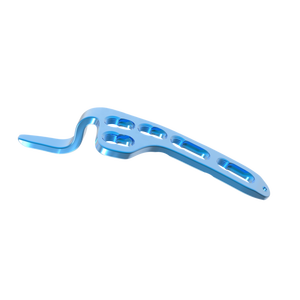
Thicker implants correlate directly with postoperative dysphagia and soft tissue irritation. Leading factories engineer plates with anatomical curvature and profiles as sleek as 1.8mm–2.0mm to minimize esophageal friction.
Dynamic vs. Static Load Sharing
Dynamic slotting mechanisms allow controlled axial settling along the graft site according to Wolff’s Law. This promotes early bone graft fusion, reducing the risk of pseudoarthrosis compared to rigid static construct designs.
Engineering Insight: Load Distribution and Wolff's Law in Cervical Fusion
In ACDF procedures, rigid static plating can cause "stress shielding," where the metal plate carries the predominant mechanical load, depriving the interbody bone graft of physiological stress. Advanced factories utilize semi-rigid or dynamic anterior cervical plate designs that permit micro-axial translation. This controlled load-sharing stimulates osteoblast activity, drastically accelerating trabecular remodeling and interbody fusion rates.
Comprehensive Technical Comparison: Cervical Fixation Architectures
| System Architecture | Axial Settlement Control | Dysphagia Risk Index | Primary Clinical Indication | Regulatory Testing Standard |
|---|---|---|---|---|
| Static Cervical Plate | Rigid / Zero Axial Motion | Moderate (2.2mm – 2.5mm profile) | Traumatic instability, multi-level spondylosis | ASTM F1717 (Static Compression & Torsion) |
| Dynamic Cervical Plate | Controlled Axial Translation (Up to 2.0mm) | Low (1.8mm – 2.0mm profile) | Single/Double level degenerative disc disease | ASTM F1717 (Dynamic Fatigue > 5M Cycles) |
| Zero-Profile Integrated Cage | Contained Interbody Settlement | Ultra-Low (Zero Anterior Prominence) | Standalone ACDF, high-risk dysphagia cases | ISO 12189 / ASTM F2077 |
Biomedical Titanium Metallurgy & Manufacturing Precision
Top-tier cervical plate exporters adhere to rigorous metallurgical requirements and precision CNC machining protocols to guarantee zero-defect implant performance.
Ti-6Al-4V ELI Alloy (ASTM F136)
Medical-grade Titanium Grade 5 Extra Low Interstitial (ELI) provides exceptional biocompatibility, supreme strength-to-weight ratio, and MRI artifact reduction compared to stainless steel alternatives.
5-Axis CNC Milling & Anodization
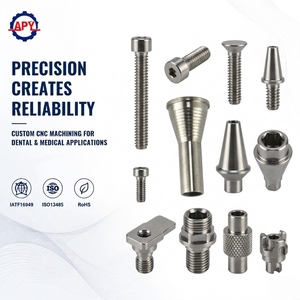
Precision Swiss-type automatic lathes and 5-axis CNC machining centers guarantee tight dimensional tolerances (±0.005mm). Type II Anodic surface treatment enhances fatigue life and color-coded screw sizing.
ASTM F1717 Fatigue Validation
Implants undergo grueling axial compression, bending, and torsional fatigue testing exceeding 5,000,000 continuous cycles. Certified labs verify zero structural failure or debris shedding under physiological loads.
Global Sourcing & Procurement Trends in Cervical Fixation (2025–2030)
Market dynamics driving purchasing decisions for hospital networks, medical device importers, and private-label OEM brands globally.
Surge in Outpatient ASC Surgery
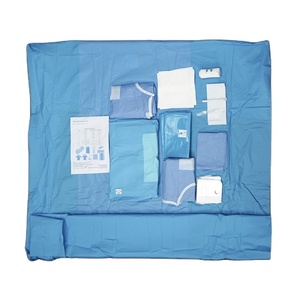
Ambulatory Surgery Centers (ASCs) demand streamlined surgical technique kits. Pre-packaged sterile implant kits with single-use disposable instrumentation trays reduce reprocessing overhead and hospital turnaround time.
Stringent EU MDR 2017/745 Compliance
Regulatory harmonization requires robust Clinical Evaluation Reports (CER), post-market surveillance (PMS), and Unique Device Identification (UDI) laser etching on every individual cervical plate and bone screw.
OEM Customization & Contract Manufacturing
Distributors increasingly partner directly with ISO 13485 accredited Chinese factories for custom laser marking, specific surface anodization colors, proprietary screw threads, and tailored surgical tray configurations.
Orthi Medical Corporate Strengths & OEM Sourcing Ecosystem
Why top orthopedic brands, hospital chains, and global healthcare distributors choose Orthi Medical as their preferred manufacturing partner.
Class 100,000 Cleanroom & Gamma Packaging
In-house ISO Class 7 (Class 100,000) cleanrooms for sterile blister packaging. Implants undergo Cobalt-60 gamma-ray irradiation delivering a validated Sterility Assurance Level of SAL 10⁻⁶.
Full Technical Dossiers for Local Registration
Orthi Medical provides complete STED-formatted technical files, ISO 13485 audit certificates, CE compliance documents, and material mill test certificates to accelerate distributor product registration in target countries.
End-to-End Instrument Kit Design
We do not merely supply implants; we design and manufacture ergonomic surgical instrument trays including self-retaining drivers, variable-angle drill guides, tissue retractors, and plate benders engineered as cohesive systems.
Anterior Cervical Plate Procurement & Technical FAQ
Crucial technical, quality, and commercial queries answered for international procurement officers and medical device buyers.
What metallurgical standards govern your anterior cervical plate systems?
How do dynamic cervical plates differ mechanically from static plates?
What anti-backout mechanism options are available for OEM customization?
Can implants be supplied sterile-packaged under private label branding?
What regulatory documentation is supplied to support regional product registration?
What is the minimum profile thickness of your anterior cervical plates?
What is your typical production lead time and Minimum Order Quantity (MOQ)?
Partner with a Certified Cervical Fixation Manufacturer
Looking to expand your spinal implant catalog or build a private-label OEM anterior cervical plate line? Contact our biomedical engineering team today for technical catalogs, CAD files, and wholesale factory pricing.