Precision-Engineered Orthopedic Implants & Instruments
Direct factory recommended portfolio adhering to ISO 13485, CE MDR, and ASTM F1472 / F67 metallurgical standards for global medical distributors and hospital procurement teams.
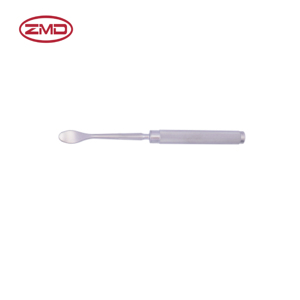
Veterinary Pubic Bone Separator
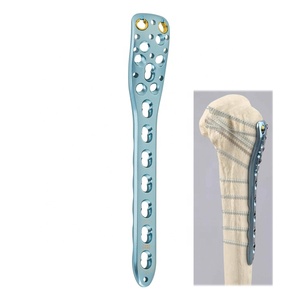
Variable Angle Neck of Humerus Locking Plate
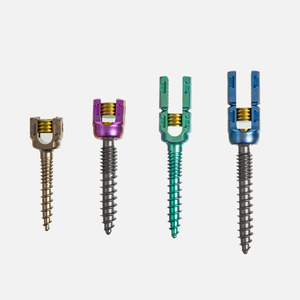
Titanium Spinal Pedicle Screw Fixation System
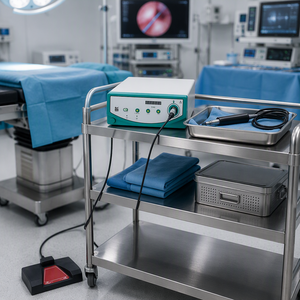
Discectomy Endoscope Shaver System
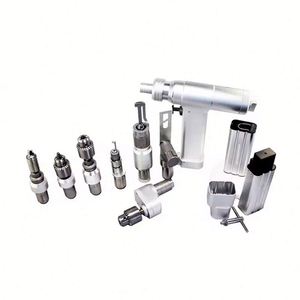
Veterinary Orthopedic Power Tool System
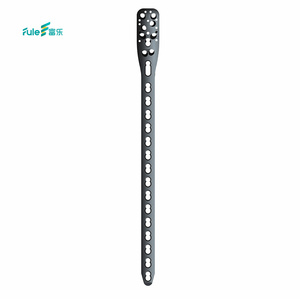
Titanium Anatomic Femoral 4.5 LC-DCP System
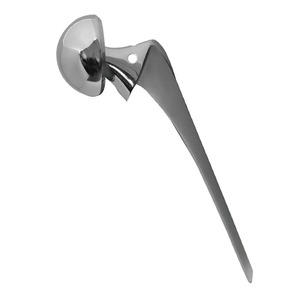
Bipolar Hip Joint Prosthesis System
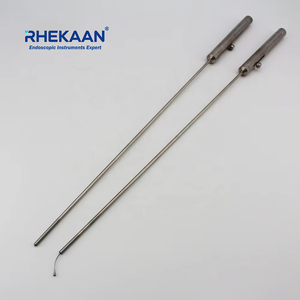
Transforaminal Endoscopic Nerve Probe System
1. Executive Overview: The Evolution of China's Orthopedic Manufacturing Ecosystem
The global orthopedic device market is undergoing a structural paradigm shift driven by healthcare cost rationalization, increasing surgical volumes in emerging economies, and the urgent need for resilient medical supply chains. Historically viewed as secondary manufacturing hubs, leading Chinese orthopedic original equipment manufacturers (OEMs) and original design manufacturers (ODMs) have undergone a complete technological transformation. Today, high-tier Chinese factories represent state-of-the-art hubs for precision titanium machining, bio-compatible material synthesis, and sterile barrier packaging.
According to clinical procurement benchmarks, sourcing high-grade trauma plates, spinal pedicle screw systems, arthroscopy shaver systems, and total hip prostheses from certified Chinese manufacturers yields a 35% to 50% cost reduction without sacrificing mechanical integrity or clinical efficacy. Leading manufacturers such as Orthi Medical Co., Ltd. (incorporating Zuol Instrument design frameworks) operate under strict global compliance mandates including ISO 13485:2016, ISO 9001, CE MDR (Regulation EU 2017/745), and US FDA Quality System Regulations (21 CFR Part 820).
This whitepaper serves as a definitive technical evaluation guide for hospital procurement managers, medical device distributors, contract manufacturing partners, and orthopedic brand owners seeking to establish sustainable OEM/ODM partnerships with top-tier China factories.
2. Metallurgical Standards, Material Integrity & Machining Precision
Long-term clinical success of orthopedic implants hinges directly upon raw material purity, fatigue resistance, corrosion resistance, and bio-compatibility. Premier Chinese orthopedic suppliers maintain full raw material batch traceability backed by mill certificates for every ingot utilized in production.
| Material Classification | International Standard | Tensile Strength (MPa) | Primary Clinical Application |
|---|---|---|---|
| Pure Titanium (TA2 / TA3) | ASTM F67 / ISO 5832-2 | ≥ 400 – 500 MPa | Cervical plates, low-load trauma plates, mesh cages |
| Ti-6Al-4V ELI (TC4 Grade 5) | ASTM F1472 / ASTM F136 | ≥ 930 MPa | Pedicle screws, cannulated screws, intramedullary nails |
| PEEK-OPTIMA® Polymer | ASTM F2026 | Flexural Modulus ~3.5 GPa | Spinal interbody fusion cages, suture anchors |
| Cobalt-Chromium Alloys (CoCrMo) | ASTM F75 / ISO 5832-4 | ≥ 660 MPa | Bipolar femoral heads, knee joint femoral components |
To achieve micron-level precision (±0.005mm), top factories utilize 5-axis Swiss-type Citizen CNC lathes, DMG Mori milling centers, and high-precision wire electrical discharge machining (EDM). Surface treatments such as Type II micro-arc anodization, titanium plasma spray (TPS), and hydroxyapatite (HA) coating are systematically deployed to accelerate osseointegration while minimizing ion release.
Rigorous Regulatory Compliance
Full technical documentation packages (STED), bio-compatibility test reports (ISO 10993), dynamic mechanical testing (ASTM F1717 / F543), and cleanroom validation support effortless global market registrations.
End-to-End OEM / ODM Services
From CAD engineering optimization and rapid prototype forging to custom anodized color-coding, laser marking, and sterile packaging tray design, suppliers deliver market-ready turnkey solutions.
Sterile Gamma Packaging (SAL 10-6)
Implant products can be direct-shipped in ISO Class 7 cleanroom double-blister Tyvek packaging pre-sterilized by Cobalt-60 gamma irradiation, removing hospital sterilization burdens.
3. Macro Trends in Global Orthopedic Surgical Instrument Sourcing (2025–2030)
Navigating the next decade of orthopedic purchasing requires an understanding of overarching technological and clinical shifts. Procurement teams must align with factories capable of adapting to four critical market macro-trends:
1. Expansion of Minimally Invasive Surgery (MIS) & UBE Systems: Traditional open procedures are rapidly yielding to Unilateral Biportal Endoscopy (UBE), Transforaminal Endoscopic Discectomy, and micro-arthroscopic techniques. Modern suppliers are investing heavily in integrated shaver systems, radiofrequency plasma ablation probes, and flexible nerve probes that minimize soft-tissue trauma and reduce post-operative recovery timelines.
2. Transition to Single-Use, Gamma-Sterilized Implant Kits: Multi-use non-sterile instrument trays carry high reprocessing costs, infection risks, and logistical friction for surgical centers. The industry is rapidly shifting toward single-use sterile packaging where plates, screws, and disposable drill bits are supplied sterile-packed for immediate operative deployment.
3. Rise of Veterinary Orthopedic Specialization: As global companion animal healthcare expenditures escalate, high-precision veterinary orthopedic instrumentation—such as pubic bone separators, micro power tool sets, TPLO plates, and specialized locking systems—has become a massive high-margin growth engine for distributors worldwide.
4. Smart Surgical Power Tools & Modular Ergonomics: Next-generation surgical power tools incorporate brushless DC micro-motors, autoclavable lithium power cells, and universal quick-connect heads capable of switching seamlessly between craniotomy drills, sagittal saws, and cannulated reamers.
4. Supplier Evaluation Framework: Auditing Tier-1 China Manufacturers
To avoid supply chain disruptions, counterfeit raw materials, or non-compliant quality management systems, international buyers must apply a multi-step audit protocol when selecting a Chinese manufacturing partner:
Phase 1: Verification of Quality Management System (QMS) Scope: Ensure that ISO 13485 accreditation specifically covers the design and manufacture of active and non-active surgical implants and power tools, rather than standard non-medical mechanical parts.
Phase 2: Metallurgical & Mechanical Test Audit: Request original laboratory test reports for fatigue strength (ASTM F1717 for spine, ASTM F382 for trauma plates) conducted by accredited third-party testing centers (e.g., SGS, TÜV, or CNAS labs).
Phase 3: Cleanroom & Sterilization Validation: Review bio-burden test results, particulate counts in Class 7/8 cleanrooms, and dose mapping validation for Co-60 gamma sterilization (ISO 11137 compliance).
Phase 4: Regulatory Technical File Support: Confirm that the factory provides comprehensive STED (Summary Technical Documentation) to facilitate fast registration with local ministries of health (e.g., US FDA, Brazil ANVISA, Mexico COFEPRIS, EU Notified Bodies).
5. Technical Procurement FAQ: Common Buyer Enquiries
Partner with a Leading China Orthopedic Manufacturer
Looking for certified trauma, spine, sports medicine, or veterinary orthopedic implants at direct factory pricing? Send us your specification list or CAD drawings to receive a comprehensive technical proposal within 24 hours.
Send an Inquiry