Featured Implant & Surgical Instrument Portfolio
Directly integrated with certified manufacturing infrastructure under ISO 13485 and CE standards. All trauma assemblies feature validated mechanical load distribution and 100% optical CMM dimensional verification.
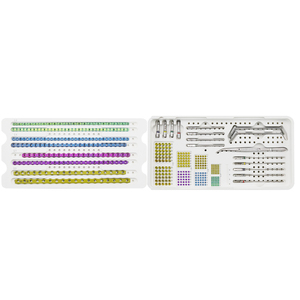
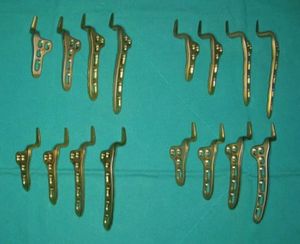
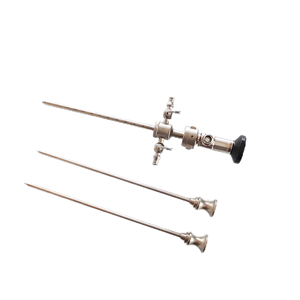
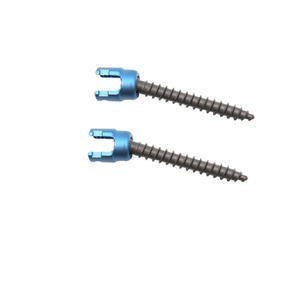
DHS and DCS Fixation Systems: Biomechanical Principles & Indications
Dynamic Hip Screw (DHS) and Dynamic Condylar Screw (DCS) plate assemblies remain the quintessential reference standards in modern orthopedic trauma reconstruction. Originally pioneered under the AO/ASIF osteosynthesis principles, these dynamic sliding systems are engineered to address high-shear, comminuted stress states within the proximal and distal segments of the human femur. In trochanteric and pertrochanteric fractures (Orthopaedic Trauma Association [OTA]/AO classification 31-A1 and 31-A2), the Dynamic Hip Screw functions through a controlled collapse mechanism: the large-diameter lag screw slides freely within the precision-machined barrel of the side plate along the pre-determined physiological load axis (typically 130° or 135°), inducing dynamic axial interfragmentary compression as the patient bears weight.
Conversely, the Dynamic Condylar Screw (DCS) is engineered with a rigid 95° fixed-angle construct explicitly developed for difficult extra-articular and intra-articular distal femur fractures (AO 33-A, 33-C), as well as reversed obliquity trochanteric fractures (AO 31-A3) where standard 135° DHS configurations exhibit an unacceptably high rate of lateral wall blowout and secondary displacement. The DCS 95° configuration establishes perpendicular anatomical alignment with the femoral shaft, ensuring that the condylar lag screw acts as a rigid cantilever load-bearing beam, maintaining rotational stability and resisting varus collapse during cyclical knee joint locomotion.
Anatomical Matching and Side Plate Architecture
From an orthopedic engineering perspective, side plate geometry defines long-term fatigue survival. China's top medical device manufacturing facilities implement continuous cold-worked profiling along the plate-barrel junction—a notorious zone of catastrophic stress concentration. Our factory utilizes multi-axis CNC turn-mill machining centers from solid billet titanium and vacuum-melted stainless steel, eliminating the residual micro-voids and tensile stresses associated with cast or hot-bent substitutes.
Biomechanical Comparison Matrix: DHS vs. DCS vs. Intramedullary Nails
Selecting the optimal trauma hardware configuration requires an exhaustive evaluation of fracture morphology, bone mineral density (BMD), lateral femoral wall thickness, and surgical instrumentation clearance. The table below delineates critical parameters essential for hospital procurement boards and international tenders:
| Evaluation Parameter | Dynamic Hip Screw (DHS) System | Dynamic Condylar Screw (DCS) System | Proximal Femoral Nail (PFNA / Cephalomedullary) |
|---|---|---|---|
| Primary AO/OTA Indications | Stable Pertrochanteric (31-A1), Select Basocervical (31-B2.1), Stable 31-A2.1 | Distal Femoral Supracondylar (33-A/C), Subtrochanteric, Reverse Obliquity (31-A3) | Unstable Trochanteric (31-A2.2/3), Reverse Oblique (31-A3), Pathological Subtrochanteric |
| Fixed Plate-Barrel Angles | 130°, 135° (Standard), 140°, 145°, 150° options | 95° Rigorous Perpendicularity to Shaft | 125°, 130° CCD Neck-Shaft Angles |
| Lag Screw Dimensions | Ø 12.7 mm thread, 50 mm to 145 mm length, reverse cutting flutes | Ø 12.7 mm thread, heavy-duty core, deep buttress thread profile | Helical spiral blade or Ø 10.5 mm lag screw with compaction mechanism |
| Load Transfer Modality | Dynamic controlled lateral sliding compression; load shared with medial cortex | Cantilever rigid fixed-angle plate fixation; neutralizes varus bending forces | Intramedullary axial load-sharing; reduced lever arm, minimal lateral shear |
| Cut-out & Failure Mechanics | Superior-anterior cut-out if Tip-Apex Distance (TAD) > 25 mm; barrel fatigue failure | Condylar screw rotation if anti-rotation screw omitted; lateral cortical fracture | Secondary helical blade migration; distal nail tip anterior cortical impingement |
| Soft Tissue Morbidity | Moderate: Open lateral approach (Watson-Jones / Vastus split) or mini-incision | Extensive: Requires extended lateral exposures of distal or proximal femur | Minimally Invasive: Percutaneous trochanteric insertion via small incisions |
Metallurgical Standards & Precision Manufacturing Capabilities
As a premier Chinese OEM/ODM trauma implant powerhouse, Orthi Medical adheres strictly to global metallurgical specifications outlined by ASTM, ISO, and European medical directives. The structural integrity of an orthopedic plate subjected to millions of gait cycles cannot be compromised by micro-inclusions, surface decarburization, or anisotropic grain growth.
ASTM F136 / ISO 5832-3 Ti-6Al-4V ELI
Extra Low Interstitial titanium alloy offering unmatched fatigue endurance, superior biocompatibility, and reduced Young's modulus (110 GPa), dramatically reducing stress-shielding osteopenia compared to traditional steel implants.
ASTM F138 / ISO 5832-1 316L Stainless Steel
Vacuum Arc Remelted (VAR) high-grade austenitic implant stainless steel with nickel-chromium-molybdenum balance. Delivers exceptional tensile yield strength (>800 MPa) and high ductility for surgical intraoperative plate contouring.
Co-60 Gamma Radiation Packaging
Implant products are assembled in Class 100,000 cleanrooms and sealed in medical Tyvek peel-pouches, subjected to validated Cobalt-60 Gamma sterilization reaching a Sterility Assurance Level (SAL) of 10⁻⁶.
Manufacturing Precision: CNC 5-Axis Swiss Machining & Metrology
DHS and DCS production lines operate using high-precision German and Japanese 5-axis CNC machining centers (DMG Mori, Citizen). Critical features—including internal barrel threads, sliding broached channels, and screw thread helix profiles—are maintained within ±5 micrometers of engineering drawings. Surface finishes undergo electrochemical polishing and Type II anodization to maximize passivation layer thickness (TiO₂), effectively mitigating tribocorrosion, pitting, and ion leaching within the synovial fluid environment.
Laser Interferometry
Non-contact 3D surface scanning ensures 0.2 μm Ra finish on all sliding interfaces to eliminate friction.
Optical CMM Metrology
Zeiss Coordinate Measuring Machines verify hole pitch, counterbores, and dynamic barrel concentricity.
Dynamic Fatigue Testing
Tested per ASTM F384 / F382 to 5,000,000 cycles under simulated high-impact physiological gaits.
Traceability Laser Marking
UDI-compliant fiber laser marking featuring lot codes, plate angles, and GS1 DataMatrix identifiers.
Future Procurement Trends in Global Trauma Hardware (2025–2030)
The international procurement environment for orthopedic osteosynthesis devices is undergoing a structural paradigm shift. Hospital purchasing directors, regional health authorities, and private B2B distributors are no longer evaluating suppliers purely on initial unit cost. Value-Based Healthcare (VBHC), stringent regulatory re-certification frameworks, and supply chain resiliency are redefining purchasing matrices globally.
1. Transition to Sterile Pre-Packaged Trauma Kits
Sterilization reprocessing departments within public and private hospitals represent a major operating expenditure and infection vector. Traditional hospital practice involves autoclaving large, reusable orthopedic metal trays containing dozens of plate sizes and hundreds of screws. The industry is rapidly migrating toward individually barcoded, single-use gamma-sterilized blister packaging. Sourcing pre-sterilized DHS/DCS implants significantly eliminates hospital reprocessing expenses, eliminates autoclave turnover bottlenecks, and guarantees flawless implant provenance.
2. Hybrid Locking DHS Systems (LCP-DHS)
While classic non-locking DHS plates depend on bone-plate friction created by bicortical screw compression, geriatric osteoporotic populations frequently fail to retain adequate screw pull-out torque. The global market is exhibiting sustained 14.8% compound annual growth for locking side plates (LCP Dynamic Hip Screws). By integrating combi-holes that accept both traditional cortical screws and angular-stable locking screws, the side plate acts as an internal fixator, dispersing mechanical load across the entire shaft and preventing screw toggle in low-density trabecular bone.
3. Supply Chain Nearshoring vs. High-Reliability China Hubs
Despite regional diversification efforts, China's orthopedic manufacturing clusters in Zhejiang and Jiangsu continue to dominate global trauma device output due to unmatched vertical supply chain integration—from titanium sponge extraction and certified bar rolling to precision Swiss CNC machining, electrochemical anodizing, cleanroom sealing, and international regulatory registration dossier creation. Global procurement specialists are partnering directly with high-tier factories like Orthi Medical to cut out multiple middlemen and protect against distribution margins squeeze.
Frequently Asked Questions for B2B Importers & Hospital Tenders
Essential technical, regulatory, and logistics intelligence for medical device distributors, procurement managers, and tender authorities.
What specific metallurgical certificates and standards are supplied with your DHS DCS plates?
How do your DHS plates prevent lag screw jamming and cut-out complications?
Can you manufacture custom angle side plates (e.g., 95°, 130°, 135°, 140°, 150°) and specialized hole configurations?
Are implants provided sterile-packaged, and what validation documentation is available?
What regulatory dossiers (CE, ISO, FDA 510(k), Free Sale Certificates) do you offer to support regional registration?
What is the typical Minimum Order Quantity (MOQ) and production turnaround for OEM/ODM private label orders?
Do you supply matching DHS/DCS surgical instrumentation sets?
How can hospital clinicians and commercial distributors access technique guides and hands-on training?
Why Global Healthcare Brands Choose Our China Manufacturing Hub
Orthi Medical Co., Ltd. represents decades of precision manufacturing heritage, providing orthopedic implants, surgical instrument sets, and minimally invasive systems to healthcare facilities worldwide. From raw titanium ingot selection to final sterile barrier inspection, our manufacturing processes are executed under rigorous traceability protocols.
Full-Spectrum Orthopedic Portfolio
Consolidate your orthopedic procurement across 8 specialized divisions: Trauma, Spine, Sports Medicine, Joint Arthroplasty (Hip & Knee), Endoscopy & UBE, Vascular & Urology Stents, OEM Machining, and Sterile Packaged Implants.
Comprehensive Regulatory Dossiers
We dramatically accelerate your time-to-market by supplying ready-to-submit CE technical files, ISO 13485 audit records, material test reports, biomechanical fatigue validation data, and localized regulatory registration files.
End-to-End OEM/ODM Customization
From initial blueprint review to functional prototype machining, laser marking, specialized electrolytic anodization color coding, custom CNC instrument trays, and private label sterile pouch packaging.
Connect with Our Engineering & Procurement Team
Seeking an ISO 13485-certified China manufacturer for DHS DCS plating systems, large fragment instruments, or custom trauma implants? Discuss specifications, request sample sets, or receive a rapid quotation within 24 hours.