Featured Surgical Instrument Trays & Orthopedic Systems
Certified ISO 13485 & CE Grade Direct Factory Equipment for Global Medical Distributors
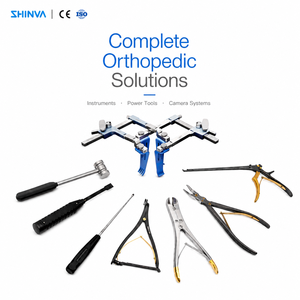
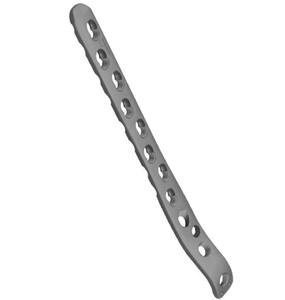
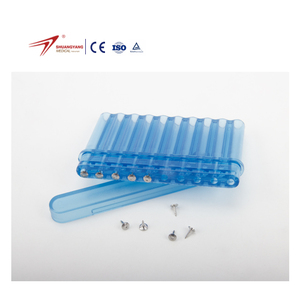
100+
Global Factory OEM Partners
ISO 13485
CE & MDR Certified Quality
134°C
Autoclave Thermo-Resistance
80+
Export Countries Worldwide
1. Executive Industry Whitepaper: The Strategic Importance of Orthopedic Trays
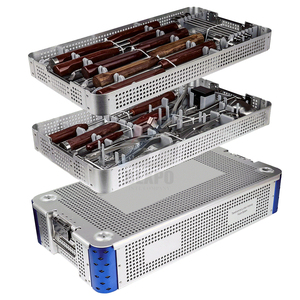
In modern surgical healthcare, the orthopedic instrument tray is far more than a simple storage vessel. It represents an engineered component of the Central Sterile Supply Department (CSSD) and Operating Room (OR) workflow ecosystem. Proper tray design directly dictates the efficiency of instrument transport, the effectiveness of steam penetration during vacuum autoclaving, the mitigation of surgical site infection (SSI) risks, and the overall lifespan of delicate precision tools such as orthopedic bone drills, osteotomes, locking plate benders, and spine pedicle screw drivers.
Hospitals and medical device original equipment manufacturers (OEMs) face increasing regulatory scrutiny from bodies such as the US FDA, European Medicines Agency (EMA), and ISO compliance auditors. Achieving Sterility Assurance Level (SAL) 10-6 requires instrument trays to provide optimal perforation ratios, heat retention profiles, steam distribution dynamics, and robust physical protection against mechanical impacts during transport. This whitepaper systematically evaluates the world's leading manufacturers and outlines the critical engineering requirements for global procurement directors.
2. Benchmark Matrix: Top 10 Orthopedic Instrument Tray Manufacturers & Factories
Selecting the right manufacturing partner requires evaluating raw material sourcing, CNC milling capabilities, anodization thickness, silicone moulding expertise, and regulatory compliance. Below is an exhaustive technical benchmark comparing the top global brands and tier-1 OEM factory suppliers:
| Manufacturer / Factory | Primary Tray Materials | Sterilization Compatibility | OEM/ODM Capability | Certifications | Primary Specialty |
|---|---|---|---|---|---|
| 1. Aesculap (B. Braun) | Anodized Al 6061, Stainless Steel | Steam Autoclave, ETO, Plasma | Low (Standardized Catalog) | ISO 13485, FDA, CE MDR | Rigid Sterilization Containers |
| 2. Orthi Medical / Canwell | Aluminum 5052/6061, Radel® PPSU | Steam (134°C), Gamma (Co-60) | High (Fully Custom CAD/OEM) | ISO 13485, ISO 9001, CE | Trauma, Spine & Joint Custom Trays |
| 3. SHINVA Medical | Medical Stainless Steel 316L, Al | High-Temp Vacuum Steam | Medium (Enterprise Bulk) | ISO 13485, CE | Full-Hospital CSSD System Trays |
| 4. DePuy Synthes (J&J) | High-Impact Polymers, Al Alloy | Steam, Ethylene Oxide (ETO) | Internal Use Only | FDA 510(k), CE MDR | Proprietary Surgical Kit Trays |
| 5. Stryker Orthopedics | Titanium Inserts, PPSU, Al | Steam Autoclave, VH2O2 | Internal Use Only | FDA, ISO 13485, CE | Navigation & Robotic Tool Trays |
| 6. Zimmer Biomet | Anodized Aluminum, PPSU | Steam Autoclave 134°C | Internal Use Only | FDA 510(k), CE MDR | Total Joint Arthroplasty Trays |
| 7. Medtronic Spine | Carbon Fiber Hybrid, PPSU | Steam, ETO Sterilization | Internal Use Only | FDA, CE MDR | Minimally Invasive Spine Trays |
| 8. Shuangyang Medical | Titanium Alloy, Stainless Steel | Steam Autoclave 134°C | High (Custom OEM Direct) | ISO 13485, CE | Maxillofacial & Dental Screw Trays |
| 9. Jinlu Medical | Anodized Aluminum, SS 304 | Steam Autoclave 134°C | High (OEM Direct Factory) | ISO 13485, CE | Trauma Reconstruction Plating Trays |
| 10. Tecomet (Precision OEM) | Titanium, Stainless, Polymer | Steam, ETO, Plasma | High (Contract Manufacturer) | ISO 13485, FDA Registered | Custom OEM Contract Trays |
3. Engineering Science & Material Selection in Tray Manufacturing
Orthopedic surgical instrument trays are subject to violent thermal expansion and contraction cycles during high-vacuum steam sterilization (typically 132°C to 137°C at 2.1 bar pressure). Material fatigue, corrosion, and structural warping are common operational failures in low-quality trays. Tier-1 factories employ rigorous material selection standards:
Anodized Aluminum (5052 / 6061-T6)
Aluminum offers superior thermal conductivity, reducing steam condensation time ("wet packs"). Type III Hard Anodizing creates a 50µm protective oxide layer resistant to aggressive alkaline detergents (pH > 10.5) used in automated washer-disinfectors.
Radel® Polyphenolsulfone (PPSU)
High-performance medical plastic providing optical clarity, extreme impact strength, and resistance to over 1,000 autoclave cycles without cracking or color degradation. Ideal for lid transparent covers and snap-lock brackets.
Medical-Grade Silicone Brackets
Platinum-cured silicone inserts custom-moulded to clamp fragile drills, taps, and reamers. Provides shock absorption during transportation and withstands continuous temperatures up to 160°C.
4. Corporate OEM/ODM Advantages: Direct Factory Manufacturing Precision
As a specialized manufacturer operating under strict ISO 13485 and ISO 9001 quality management systems, our manufacturing hub delivers scalable production, absolute raw material traceability, and tailored OEM branding for international surgical distributors.
Key Direct Manufacturing Capabilities:
- Advanced 5-Axis CNC Precision Milling: Enables complex 3D contouring of instrument holding brackets and zero-tolerance interlocking latches.
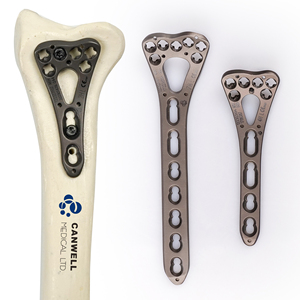
- ASTM Compliant Raw Materials: Pure Titanium TA2/TA3 (ASTM F67) and Ti-6Al-4V (ASTM F1472) processed with mill certificates for every production batch.
- Color Anodization & Laser UDI Etching: Color-coded tray levels (e.g., Blue for Trauma, Gold for Spine, Green for Joints) combined with high-contrast laser barcode/QR etching for Unique Device Identification (UDI) compliance.
- Co-60 Gamma Sterilization Packaging: Capabilities to supply sterile-packaged implant kits pre-validated to achieve SAL 10-6 sterility assurance.
- Rapid Prototyping & CAD Design: Turnaround of custom 3D tray designs and functional prototypes within 10–14 business days for distributor tender bidding.
5. Future Sourcing Trends in Orthopedic Instrument Tray Procurement
Procurement directors and hospital purchasing committees are shifting strategies to adapt to tightening healthcare budgets and stringent infection-control guidelines. The following five trends define the future of surgical tray procurement over the next decade:
1. Transition to Lightweight Hybrid Modular Designs
Monolithic stainless steel wire baskets are rapidly being replaced by modular hybrid designs combining lightweight aircraft-grade aluminum bases with PPSU polymer lids and carbon-fiber structural supports. Reducing total kit weight below 10 kg (22 lbs) minimizes physical fatigue for CSSD technicians and complies with ergonomic occupational safety regulations.
2. Embedded RFID & Automated UDI Tracking Integration
Hospitals are demanding smart trays equipped with autoclavable RFID microchips and laser-engraved UDI DataMatrix codes. This technology automates inventory tracking, records cycle counts, tracks sterilization history, and flags missing surgical instruments before a kit enters the OR theatre.
3. Customized Procedure-Specific Kits (Reduction of OR Footprint)
Traditional multi-tier trays contained up to 100 instruments, many of which went unused during standard procedures. Sourcing trends favor streamlined, procedure-specific trays (e.g., dedicated volar distal radius kits) containing only essential instruments, reducing reprocessing costs per surgical case by up to 35%.
4. Sustainable & Eco-Conscious Packaging Protocols
With environmental compliance gaining priority, hospitals are shifting away from single-use blue sterilization wrap toward reusable rigid container systems equipped with permanent PTFE (Teflon) microbial barrier filters. Reusable containers eliminate tons of non-recyclable plastic waste per hospital annually.
5. Sterile Pre-Packaged Single-Use Implant Trays
For trauma screws, K-wires, and fixators, distributors are increasingly sourcing single-use, gamma-sterilized blisters and mini-trays. This eliminates hospital sterilization turn-around time, ensures pristine thread geometry, and shifts liability management directly to certified manufacturers.
6. Technology Trends: Next-Generation Surgical Container Innovations
Looking forward, technological convergence in material science, sensor technology, and robotics will reshape instrument tray manufacturing:
- Smart Thermal & Pressure Sensor Integration: Next-generation trays will feature embedded micro-sensors that log peak temperature, humidity, and pressure exposure during autoclaving, transmitting verification data wirelessly to hospital electronic medical records (EMR).
- 3D Printed Customized Silicone Retention Frameworks: Additive manufacturing allows factories to produce patient-specific or surgeon-specific silicone brackets tailored precisely to custom instrument geometries without high tooling costs.
- Nanostructured Hydrophobic Coatings: Advanced surface treatments applied to aluminum trays reduce surface tension, forcing moisture droplets to roll off rapidly during the drying phase and eliminating wet-pack rejections.
7. Frequently Asked Questions (FAQ) for Procurement Managers
Answers to critical questions regarding compliance, customization, sterilization validation, and order logistics: