Precision Trauma & Surgical Instrument Systems
High-precision orthopedic instrument sets, bone fixation systems, power tools, and specialty surgical accessories manufactured under strict ISO 13485 quality frameworks.

H Type Gabon Libreville Large Farm 30000 Birds One Stop Poultry Solution Hot Dip Galvanized Steel Hen Layer Chicken Cage
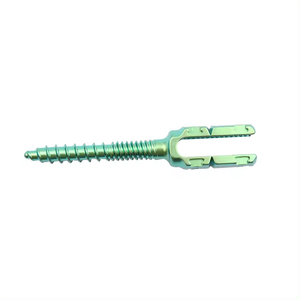
Geasure Factory Price Spine Implants 5.5 Titanium Double Thread Polyaxial Reduction Pedicle Screw
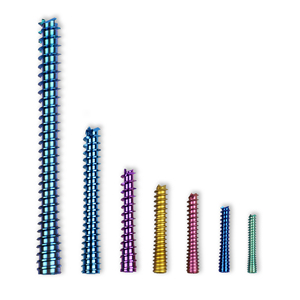
CANWELL Titanium Headless Cannulated Compression Screws Orthopedic Trauma Implant System CE Certified
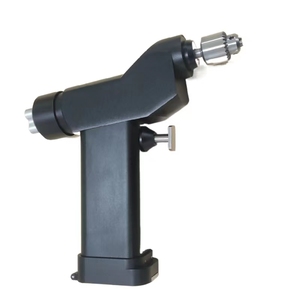
Competitive Price Orthopedic Surgery Electric Cannulated Drill Power Tool With Premium Surgical Instrument Properties
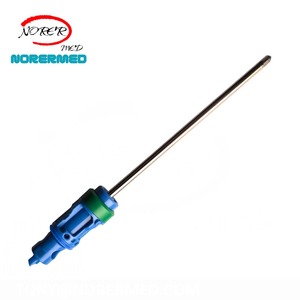
Chinese Manufacturer Custom CNC Machining Arthroscopy Cutter, Arthroscopic Shaver Blade Minimally Invasive
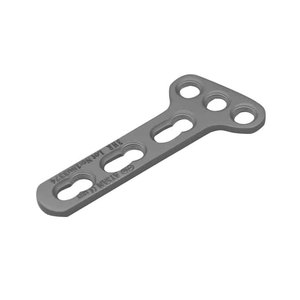
Ortopedicas Veterinaria Titanio Straight Compression Lc-Dcp Tplo Bone Plates Veterinary Orthopedic Implants
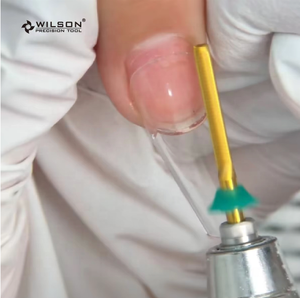
Long Flute 2.3mm Mini Barrel TiN Coating Fast Armor Removal Bur Durable Carbide Tool
Bone China Plate / Pure White Ceramic Dinner Plate / High-Durability Modular Component
State of Large Fragment Surgical Instrumentation Engineering
An authoritative evaluation of metallurgical specifications, machining precision standards, and compliance benchmarks governing global procurement of large fragment trauma instrument sets.
The Anatomic Standard: 4.5mm / 5.0mm System Architecture
Large fragment instrument sets represent the cornerstone of orthopedic trauma surgery, specifically engineered for the stabilization and internal fixation of complex diaphyseal and metaphyseal fractures in the femur, tibia, and humerus. Standardized around 4.5mm cortex screws, 6.5mm cancellous screws, and 5.0mm locking constructs, these surgical sets demand absolute mechanical harmony between the drill bits, taps, counter-sinks, torque-limiting screwdrivers, and dynamic compression plates (DCP/LC-DCP/LCP).
Hospital procurement committees and medical device importers face mounting scrutiny regarding instrument longevity and surface passivation integrity. Tooling failure inside the operating theater—such as sheared screw heads, dull drill flutes, or micro-cracking in bending forceps—leads to extended surgical times and dangerous patient outcomes. Evaluating global exporters requires inspecting raw material origin, heat-treatment certifications, and dimensional tolerance repeatability under 5-axis CNC machining.
Metallurgical Specifications: AISI 630 vs. 316L Stainless Steel
Leading global manufacturers employ distinct steel alloys depending on the functional mechanical load of the instrument:
- Cutting Tools & Drill Bits: Manufactured from high-hardness Martensitic Stainless Steel (e.g., AISI 420 or 17-4PH / AISI 630) vacuum heat-treated to HRC 48–54, preventing cutting edge degradation during bicortical drilling through dense cortical bone.
- Implants & Permanent Plates: Fabricated strictly from ASTM F136 Ti-6Al-4V ELI titanium alloy or implant-grade ASTM F138 316L Stainless Steel, featuring electropolished surfaces to eliminate fatigue initiation sites.
- Ratcheting Handles & Bending Templates: Utilizing ergonomically molded Radel® PPSU (Polyphenylsulfone) combined with passivated stainless cores capable of undergoing 500+ autoclave sterilization cycles without thermal degradation or delamination.
OEM Manufacturing & Export Standards Comparison
Direct comparative analysis comparing Tier-1 certified orthopedic exporters against low-tier market alternatives to assist procurement directors in vendor risk mitigation.
| Evaluation Parameter | Tier-1 Exporters (e.g., Orthi / Canwell Benchmark) | Uncertified Budget Manufacturers | Clinical & Regulatory Impact |
|---|---|---|---|
| Material Traceability | Full raw material mill certs (ASTM F67, ASTM F1472, ISO 5832-3) linked per lot number. | Commercial grade stainless steel without mill heat-lot documentation. | Ensures non-toxicity, corrosion immunity, and biostability; compliant with EU MDR 2017/745. |
| Machining Precision | 5-Axis Swiss CNC turning & milling (tolerances within ±0.005mm). | Manual lathe & basic 3-axis CNC machining (tolerances ±0.05mm). | Eliminates play between screwdriver bits and screw recesses, preventing screw stripping in surgery. |
| Surface Passivation | Automated citric/nitric passivation per ASTM A967 with Type II Anodization for color coding. | Manual chemical dip; inconsistent oxide layer thickness. | Prevents fretting corrosion, pitting, and metal ion release during long-term implantation or repeated washing. |
| Sterilization Readiness | Validated Co-60 Gamma Sterilization (SAL 10⁻⁶) or double-barrier Tyvek® sterile packs. | Bulk non-sterile shipment in plastic bags requiring hospital reprocessing. | Reduces hospital OR preparation costs and mitigates surgical site infection risks. |
| Tray Modularity | Custom anodized aluminum trays with silicone inserts designed for steam autoclave flow. | Generic unpadded stainless boxes causing instrument collisions and dulling. | Extends instrument operational lifespan by preventing cutting edge erosion during transport. |
Top 10 Manufacturers & Exporters: Qualification Benchmarks
Selecting a global supply chain partner for large fragment instrument sets requires rigorous auditing across 10 critical operational dimensions.
1. ISO 13485:2016 Certified Facilities
The manufacturer must operate under an independently audited ISO 13485 Quality Management System specifically scope-certified for orthopedic implant and surgical instrument manufacturing, ensuring rigorous change-control procedures and risk management (ISO 14971).
2. Regulatory Registration Dossiers
Top exporters provide turnkey technical documentation (STED / CE Mark dossiers, 510(k) cross-references, design history files) to accelerate local healthcare authority approvals in target destination markets across Latin America, Southeast Asia, and Europe.
3. Swiss CNC Machining Capability
In-house multi-axis Swiss precision turning lathe fleets guarantee concentricity of long cannulated drills and perfect pitch uniformity across tap flutes, avoiding manual grinding variances.
4. Modular Instrument Tray Ergonomics
Instrument cases must feature laser-etched inventory outlines, clear metric depth indicators, and dual-tier organized layouts to streamline central sterile supply department (CSSD) processing and surgical flow.
5. Cleanroom & Packaging Validation
ISO Class 7 cleanrooms equipped with double-chamber impulse sealers ensure pre-sterilization bioburden control compliant with ISO 11607 terminal packaging standards.
6. OEM / ODM Customization Agility
Leading exporters maintain dedicated engineering teams capable of modifying drill guide angles, custom handle branding, and custom tray dimensions within 3-4 weeks for private-label distributors.
Future Procurement Trends in Large Fragment Systems
Technological advancements reshaping global purchasing decisions, cost structures, and clinical adoption rates over the next decade.
1. UHF RFID Integrated Asset Tracking
Hospital CSSD units are increasingly mandating ultra-high frequency (UHF) passive RFID chips embedded directly into large fragment instrument trays and heavy-duty ratcheting handles. This technology provides automated asset counting, usage history monitoring, and cycle tracking to ensure precise preventative maintenance before mechanical failure occurs during surgery.
Inquire Now2. Carbon-Fiber Reinforced PEEK Target Guides
Conventional metallic aiming arms for intramedullary nails and MIPO locking plates obscure X-ray intraoperative fluoroscopy. The industry shift toward Carbon-Fiber Reinforced (CFR) PEEK radiolucent drill guides allows orthopedic trauma surgeons to verify screw placement under C-arm imaging with zero artifact interference.
Inquire Now3. Single-Use Pre-Sterilized Procedure Kits
To combat rising hospital labor costs associated with re-sterilizing reusable instrument trays, demand is surging for single-use sterile trauma packs. Pre-packaged kits containing a specific dynamic compression plate, color-coded drill bits, depth gauge, and disposable driver eliminate cross-contamination risks entirely.
Inquire NowWhy Global Healthcare Partners Choose Orthi Medical
Integrating state-of-the-art medical device manufacturing with comprehensive OEM private-label support for distributors worldwide.
Complete One-Stop Surgical Portfolio
Orthi Medical Co., Ltd. delivers a streamlined procurement experience by consolidating trauma, spine, sports medicine, joint replacement, endoscopic imaging (UBE), and interventional stent systems under a unified ISO 13485 quality standard. Importers eliminate administrative overhead by partnering with a single verified manufacturing powerhouse.
Raw Material Quality Guarantee
All titanium implant systems utilize exclusively certified ASTM F1472 (Ti-6Al-4V) and ASTM F67 pure titanium, with certified tensile strengths exceeding 930 MPa for TC4 components. Mill test reports accompany every shipment batch.
End-to-End Sterile Packaging Services
Implants including cannulated screws, locking bone plates, and intramedullary nails are available pre-sterilized via Co-60 Gamma Irradiation achieving a validated Sterility Assurance Level of SAL 10⁻⁶.
OEM / ODM Custom Manufacturing Engine
From initial CAD drawing consultation to final laser-marked product delivery, Orthi Medical supports private-label brands with rapid engineering turnaround times and strict intellectual property protection.
- Precision Machining: 5-axis CNC milling, Swiss lathe turning, wire EDM, and automated surface finishing.
- Custom Tray Design: Customized aluminum and PPSU autoclavable trays engineered specifically to fit your proprietary instrument sets.
- Surface Modifications: Type II titanium anodization (blue, gold, green, magenta color coding), passivation per ASTM A967, and DLC protective coatings.
- Regulatory Support: Comprehensive STED technical dossiers, biocompatibility test reports (ISO 10993), and sterilization validation data ready for submission.
Frequently Asked Questions for Sourcing Directors
Addressing key procurement queries regarding quality assurance, minimum order quantities, regulatory compliance, and custom OEM operations.
What international certifications govern your large fragment instrument sets and implants?
Can large fragment instruments and implants be supplied in sterile-ready packaging?
What are the Minimum Order Quantities (MOQ) and lead times for custom OEM instrument trays?
How do you prevent cutting tool wear and surface rusting on reusable drill bits and taps?
Do you provide technical documentation and regulatory dossiers to support local health registration?
What other specialized orthopedic lines can we consolidate into our shipment?
Ready to Elevate Your Orthopedic Supply Chain?
Contact our medical device engineering and global export team today to request a factory-direct wholesale quote, request OEM technical drawings, or arrange a sample evaluation for your distribution network.