Primary & Revision Femoral Knee Components
Certified orthopedic implants, modular hinge joints, and precision surgical instrument sets manufactured under ISO 13485 quality management systems.
1. Global Femoral Knee Component Sourcing Landscape (2026–2035)
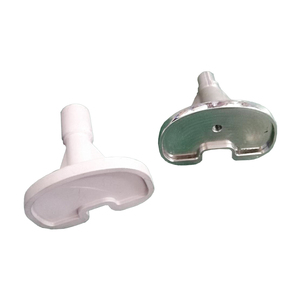
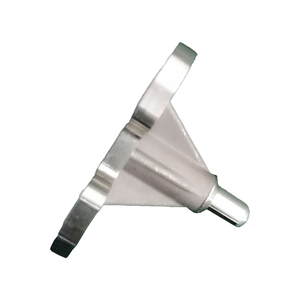
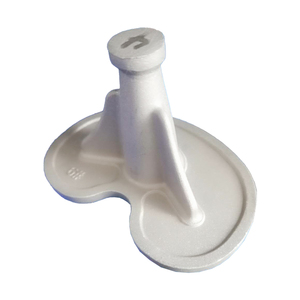
Total Knee Arthroplasty (TKA) remains one of the most clinically successful and cost-effective reconstructive procedures in modern orthopedic surgery. The femoral component—acting as the primary articular interface that mirrors the natural anatomy of the distal femur—is subjected to multiaxial biomechanical forces, cyclical loading exceeding several times human body weight, and demanding tribological requirements over decades of implantation.
As healthcare systems worldwide experience shifting demographics and rising joint replacement volumes, hospital procurement officers, medical device distributors, and OEM buyers face complex sourcing challenges. Selecting a qualified femoral component knee factory and supplier requires evaluating raw material integrity, precision machining capabilities, biomechanical fatigue thresholds, surface finish tolerances, and regulatory documentation readiness.
Key Evaluation Metrics for Global OEM Buyers
- Metallurgical Purity & Grain Structure: Transitioning from investment cast Cobalt-Chromium-Molybdenum (ASTM F75) to hot-forged CoCrMo alloys (ASTM F1537) yields significantly higher tensile strength (≥ 1000 MPa) and fatigue endurance limits, reducing implant fracture risks in high-demand patients.
- Articular Tribology & Mirror Polishing: Condylar super-finishing achieving surface roughness values of Ra ≤ 0.02 μm drastically reduces volumetric wear rates when articulating against Ultra-High Molecular Weight Polyethylene (UHMWPE) or Highly Cross-linked Polyethylene (HXLPE) tibial inserts.
- Fixation Versatility: Availability of both cemented options (featuring micro-textured PMMA cement pockets) and cementless porous titanium/hydroxyapatite (HA) dual coatings for rapid osseointegration.
- Kinematic Fidelity: Anatomical anterior-posterior condylar radius curvature designs that preserve patellofemoral tracking and prevent mid-flexion instability.
2. Advanced Metallurgical & Manufacturing Trends in Femoral Knee Implants
The manufacturing architecture of knee arthroplasty implants is undergoing a fundamental technological shift. Leading orthopedic engineering facilities utilize advanced multi-axis CNC Swiss machining, automated robotic polishing cells, dynamic fatigue testing, and sub-micron Coordinate Measuring Machines (CMM) to guarantee cross-batch consistency.
Hot-Forged CoCrMo Alloys
Vacuum Induction Melting (VIM) followed by precision thermomechanical forging eliminates casting porosity, refining grain sizes to under 10 μm for exceptional fatigue resistance under dynamic cyclic loading.
Porous Titanium Biological Coatings
Vacuum Plasma Spraying (VPS) applies commercial pure titanium (ASTM F67) and Hydroxyapatite (HA) layers to facilitate early trabecular bone ingrowth for long-term cementless stability.
Sub-Micron Articular Finishing
Automated 6-axis robotic polishing combined with optical profilometry ensures mirror-finish condylar surfaces, minimizing wear debris osteolysis and implant loosening.
Material Specification Comparison Matrix
Below is a comparative breakdown of standardized implant materials utilized across leading knee arthroplasty factories:
| Material Classification | Regulatory Standard | Tensile Strength (σb) | Fatigue Limit | Primary Clinical Application |
|---|---|---|---|---|
| Forged CoCrMo Alloy | ASTM F1537 / ISO 5832-12 | ≥ 1000 MPa | ≥ 500 MPa | Primary & Revision Femoral Condyles, Hinge Joints |
| Cast CoCrMo Alloy | ASTM F75 / ISO 5832-4 | ≥ 665 MPa | ≥ 300 MPa | Standard Cemented Femoral Components |
| Titanium Alloy (Ti-6Al-4V) | ASTM F1472 / ISO 5832-3 | ≥ 930 MPa | ≥ 450 MPa | Tibial Trays, Modular Stems, Interlocking Nails |
| Unalloyed Pure Titanium (TA2/TA3) | ASTM F67 / ISO 5832-2 | 400 – 500 MPa | N/A (Coating) | Porous VPS Surface Plasma Spray Coatings |
3. Strategic Sourcing & Procurement Trends (2026 and Beyond)
The global supply chain for orthopedic devices is rapidly shifting toward integrated OEM partnership models. Medical device brand owners and regional hospital distributors are moving away from multi-tiered supply chains in favor of direct factory partnerships that offer end-to-end manufacturing accountability.
1. Turnkey OEM/ODM Dossier Bundling
Top-tier suppliers no longer supply just physical implants; they provide complete regulatory registration dossiers. This includes ISO 10993 biocompatibility testing, ISO 14879 fatigue test reports, dynamic wear simulator data, and complete technical documentation ready for EU MDR, US FDA 510(k), and national health authority submissions.
2. Sterile Pre-Packaged Supply Chains (SAL 10-6)
Hospital operating rooms increasingly demand direct-to-OR sterile implants. Procurement trends heavily favor factories capable of delivering gamma-irradiated (Co-60) implants packaged in cleanroom environments (ISO Class 7 / Class 10,000) with double peelable blister pouches, eliminating hospital reprocessing costs and minimizing surgical infection risks.
3. Integration with Digital & Robotic Workflows
Modern total knee replacements are frequently performed using surgical navigation and robotic platforms. Suppliers are expanding portfolios to include digital alignment instruments, high-precision scan bodies (for optical and CT-based surgical planning), and patient-matched surgical instrumentation (PSI).
4. Manufacturing Excellence & Quality Engineering (Orthi Medical / HKXN)
Orthi Medical Co., Ltd. (producing under the established HKXN brand) stands as a premier manufacturer and OEM supplier of orthopedic implants and surgical instrument systems. Operating under strict ISO 13485 and ISO 9001 quality management standards, the facility provides comprehensive manufacturing capabilities spanning trauma fixation, spinal hardware, sports medicine arthroscopy, and joint replacement systems.
Core Manufacturing & Service Strengths
- Drawing-Based OEM/ODM Machining: Full custom capability to machine specialized femoral geometries, revision hinge stems, and custom sizes directly from CAD/CAM customer specifications.
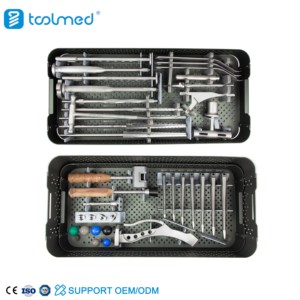
- Complete Surgical System Packaging: Sourcing single components often creates OR alignment issues. Orthi Medical supplies matching trial prostheses, bone reduction forceps, reamers, alignment guides, and anodized aluminum instrument trays for streamlined surgical execution.
- Clinical Academic Support: Assisting global distributors with comprehensive surgical technique guides, biomechanical whitepapers, and cadaveric workshop training materials.
5. Frequently Asked Questions (FAQ) for Femoral Component Procurement
Addressing essential technical, quality assurance, and logistical questions frequently raised by medical device buyers and orthopedic distributors.
Partner with a Certified Orthopedic Implant Manufacturer
Whether you require primary femoral knee components, revision hinge joints, custom OEM contract manufacturing, or full surgical instrument sets, our engineering team is ready to evaluate your technical specifications.
Contact Us