Featured Orthopedic Implants & OEM Tool Kits
Precision-manufactured Class III surgical solutions meeting ISO 13485 and global orthopedic standards.
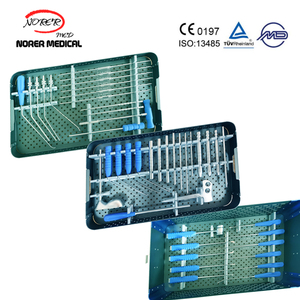
Chinese NORER Medical Manufacturer Orthopedic Spinal UBE SPINUSS Tool Kit Single-Side Double-Door Endoscopic Instrument Set
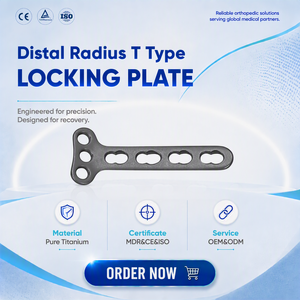
Orthopedic Implant Distal Radius Variable Angle Locking Compression Plate Titanium Bone Fracture Fixation Trauma Surgery
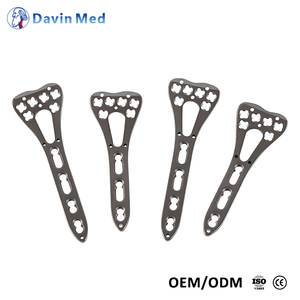
Titanium Two Column Volar Distal Radius Locking Plate 2.7mm Variable Angle Orthopedic Trauma Implant For Wrist Fracture
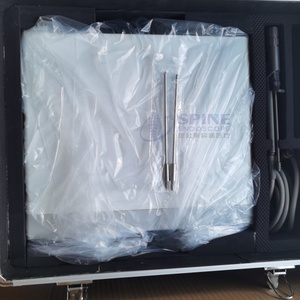
Orthopedic Power Drill/arthroscopy Shaver Cutter System Rigid Endoscope Transforaminal Endoscope 12000r/min
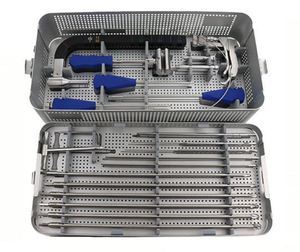
Best Quality Stainless Steel Manual Reusable High-quality Orthopedic Hindfoot Fusion Ankle Nail Intramedullary Surgical
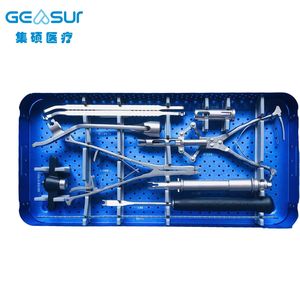
Geasure 5.5 Pedicle Screw for Spine Nail-Rod Instrument Sets-Class III Orthopedic Surgical Instrument Set with 1 Year Warranty

Manicure Machine Nail Polish Machine Customize Plastic Aluminium Frame Nail Drill 115B Tips Three Pin For Up200 machine
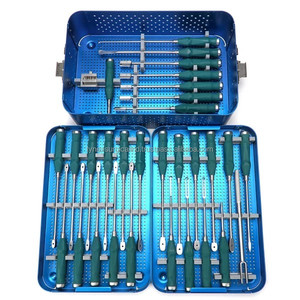
Lumbar Titanium Cage Instrument Set For Spinal Implant Procedures Orthopedic Spine Surgery Tool Set
Executive Summary: Global Acetabular Cup Sourcing Dynamics (2026–2030)
The global joint reconstruction ecosystem is experiencing a paradigm shift driven by an aging global population, increasing incidence of osteoarthritis, and demand for long-lasting primary and revision total hip arthroplasty (THA). As a pivotal load-bearing component in hip arthroplasty, the acetabular cup dictates clinical longevity, rotational stability, wear dynamics, and biological fixation efficiency. Healthcare distributors, hospital procurement managers, and medical device OEM brand owners face a complex landscape when evaluating global contract manufacturers.
Navigating international regulatory compliance (ISO 13485:2016, EU MDR 2017/745, US FDA 510k), porous coating technologies (Plasma Spray, Electron Beam Melting, Direct Metal Laser Sintering), and tribological bearing interfaces requires a deep technical understanding. This whitepaper establishes a data-driven benchmark for identifying and auditing the world's leading acetabular cup factories and suppliers.
Biomechanical & Metallurgical Standards in Acetabular Cup Manufacturing
When assessing an OEM supplier or contract manufacturing facility for orthopedic implants, procurement engineers must evaluate five core technological parameters that govern clinical success and structural integrity.
1. Osseointegration Topography
Modern press-fit acetabular shells utilize porous titanium structures that mimic human cancellous bone. Pore diameters ranging from 300 μm to 600 μm with interconnecting porosity levels between 60% and 80% provide the ideal scaffold for osteoblast migration, angiogenesis, and rapid biological fixation.
2. Metallurgical Composition
Implants must be forged from high-purity medical titanium alloys, predominantly Ti-6Al-4V ELI (ASTM F136 / ISO 5832-3) or pure titanium (ASTM F67). These alloys guarantee high fatigue strength, resistance to physiological stress corrosion, and low elastic modulus matching natural bone structures.
3. Liner Locking Stability
Micromotion between the acetabular shell and the liner (polyethylene, ceramic, or metal) causes micro-abrasion debris and osteolysis. Tier-1 factories utilize anti-rotational tabs, peripheral rim locking grooves, and precision taper interlocks tested under ASTM F1820 standards.
Top 10 Acetabular Cup Manufacturers & Global Suppliers (2026 Evaluation)
Based on production capacity, technological innovation, regulatory compliance, quality control rigor, and global supply stability, the following ten manufacturers represent the pinnacle of acetabular cup production and contract OEM services.
1. Orthi Medical Co., Ltd. (China)
Orthi Medical stands out as a premier ISO 13485-certified orthopedic implant manufacturer specializing in joint replacement, spinal trauma, and sports medicine devices. Operating state-of-the-art CNC machining centers, automated vacuum plasma-spraying lines, and ISO Class 7 cleanrooms, Orthi Medical delivers primary cementless titanium cups, hydroxyapatite (HA)-coated shells, and highly cross-linked polyethylene (HXLPE) liners. Their complete turn-key OEM/ODM capabilities include drawing-based precision machining, custom packaging, laser marking, and comprehensive CE/CE-MDR registration dossiers.
2. Stryker Corporation (USA)
Stryker is a world leader in total hip arthroplasty, famed for its proprietary Tritanium 3D porous titanium coating technology. Their acetabular systems utilize additive manufacturing to create complex, random porous structures engineered for optimal bone ingrowth and initial press-fit stability.
3. Zimmer Biomet (USA)
Renowned for its Trabecular Metal technology, Zimmer Biomet produces porous elemental tantalum material that closely replicates human bone structure. Their acetabular cups offer high coefficient of friction against bone and excellent clinical longevity in both primary and complex revision hip arthroplasties.
4. DePuy Synthes / Johnson & Johnson (USA)
DePuy Synthes' PINNACLE Acetabular Cup System is one of the most widely implanted hip shells globally. Utilizing Porocoat porous coating and GUR 1020 highly cross-linked polyethylene, DePuy sets industry benchmarks for tribological wear reduction and locking mechanism durability.
5. Smith & Nephew (UK)
Smith & Nephew excels in advanced surface treatments and specialized materials, such as VERILAST technology and OXINIUM oxidized zirconium. Their REDAPT and POLARSYSTEM acetabular lines target high stability in both primary cases and difficult bone loss scenarios.
6. LimaCorporate / Enovis (Italy)
LimaCorporate is a pioneer in electron beam melting (EBM) additive manufacturing for orthopedic devices. Their Delta-TT (Trabecular Titanium) acetabular cups feature a integrated 3D lattice structure that eliminates coating delamination risks.
7. Eurocoating / Surface Dynamics (Italy/USA)
As a specialized Tier-1 contract supplier, Eurocoating supplies plasma spray, hydroxyapatite, and 3D porous coatings to major global orthopedic brands. They provide critical surface modification services for acetabular shells across Europe and North America.
8. Kyocera Medical (Japan)
Kyocera combines advanced bioceramic engineering with high-precision medical device manufacturing. Their BIOCERAM AZUL ceramic liners and specialized porous titanium cups offer ultra-low wear rates tailored for younger, active patients.
9. Corin Group (UK)
Corin integrates dynamic alignment technology with acetabular cup design. Their Trinity Advanced Acetabular System offers versatile liner options (Polyethylene, Ceramic, Constrained) supported by patient-specific dynamic hip positioning software.
10. Waldemar Link (Germany)
Waldemar Link is a German engineering powerhouse recognized for revision joint replacement systems. Their TrabecuLink 3D-printed porous structure acetabular shells provide superior biological fixation and structural support in severe acetabular defect reconstruction.
Technical Comparison Matrix of Leading Acetabular Cup Suppliers
This matrix synthesizes core operational metrics for engineering procurement teams evaluating contract manufacturing, white-label, and OEM supply partnerships.
| Manufacturer / Supplier | Primary Porous Coating / Tech | Material Specification | Quality Certifications | OEM / ODM Capability | Typical Lead Time |
|---|---|---|---|---|---|
| Orthi Medical Co., Ltd. | Vacuum Titanium Plasma Spray (TPS) / HA / 3D Trabecular | Ti-6Al-4V ELI (ASTM F136), TA2/TA3 (ASTM F67) | ISO 13485, ISO 9001, CE Mark | Full OEM / ODM Custom Trays | 4 – 6 Weeks |
| Stryker Corporation | Tritanium 3D Additive Matrix | Commercially Pure Titanium & Ti-6Al-4V | ISO 13485, FDA 510(k), CE MDR | Proprietary Brand Only | N/A (Brand Direct) |
| Zimmer Biomet | Trabecular Metal (Porous Tantalum) | Elemental Tantalum (ASTM F560) | ISO 13485, FDA 510(k), CE MDR | Limited Contract Manufacturing | 8 – 12 Weeks |
| DePuy Synthes | Porocoat Sintered Beads / GRIPTION | Ti-6Al-4V Alloy & CoCrMo | ISO 13485, FDA 510(k), CE MDR | Proprietary Brand Only | N/A (Brand Direct) |
| Smith & Nephew | STIKTITE Porous Titanium Structure | Ti-6Al-4V / OXINIUM Alloy | ISO 13485, FDA 510(k), CE MDR | Proprietary Brand Only | N/A (Brand Direct) |
| LimaCorporate (Enovis) | Delta-TT (EBM 3D Trabecular Titanium) | Ti-6Al-4V ELI (ASTM F136) | ISO 13485, CE MDR, FDA 510(k) | Contract Manufacturing Partner | 6 – 8 Weeks |
| Eurocoating / Surface Dynamics | Plasma Spray (Ti + HA), Masterpor porous | Titanium & Hydroxyapatite Powder | ISO 13485, FDA Master Files | Specialized Coating OEM | 3 – 5 Weeks |
| Kyocera Medical | Aquala & Porous Ti Sintering | Alumina/Zirconia Composites & Ti Alloy | ISO 13485, PMDA Japan, CE | OEM Components & Liners | 8 – 10 Weeks |
| Corin Group | Trinity Dual-Coating (Ti Plasma + HA) | Ti-6Al-4V ELI (ASTM F136) | ISO 13485, CE MDR, FDA 510(k) | Proprietary System Distribution | N/A (Brand Direct) |
| Waldemar Link | TrabecuLink 3D Print Architecture | Ti-6Al-4V ELI & CoCrMo | ISO 13485, CE MDR | Contract OEM Solutions | 6 – 10 Weeks |
Future Sourcing & Technology Trends in Acetabular Cup Manufacturing (2026–2035)
Procurement executives and strategic planners must anticipate technological shifts to maintain competitive product catalogs and supply resilience. Key industry trajectories include:
1. Additive Monoblock & Modular Hybrid Designs
Direct Metal Laser Sintering (DMLS) and Electron Beam Melting (EBM) enable factories to manufacture cup shells with solid load-bearing inner walls and continuous 3D porous outer scaffolds in a single build cycle. This eliminates boundary interface weaknesses inherent in traditional sintered bead or plasma-spray coatings.
2. Bioactive & Antimicrobial Surface Modifications
Periprosthetic joint infection (PJI) remains a major complication in arthroplasty. Next-generation acetabular cups incorporate silver nanoparticle doping, copper ion substitution in hydroxyapatite coatings, and atomic layer deposition (ALD) of micro-thin antimicrobial ceramic barrier layers designed to inhibit bacterial colonization without cellular toxicity.
3. Vitamin E-Stabilized Highly Cross-Linked Polyethylene (XLPE)
Standard UHMWPE liners are increasingly replaced by antioxidant-infused highly cross-linked polyethylene. Blending Vitamin E (α-tocopherol) prevents long-term oxidative degradation caused by gamma irradiation sterilization, reducing mechanical wear rates to below 0.01 mm per year.
Enterprise Capabilities & Quality Assurance Architecture
As a global OEM/ODM orthopedic partner, Orthi Medical Co., Ltd. operates a comprehensive manufacturing ecosystem designed for high-precision device execution, zero-defect release, and swift market registration.
Advanced Machining
Multi-axis CNC Swiss machining, high-speed milling, and automated polishing centers guarantee precise tolerances within ±0.005 mm for critical acetabular liner taper joints and screw hole chamfers.
Rigorous Mechanical Testing
In-house test laboratories perform shear fatigue (ASTM F1044), static tensile adhesion (ASTM F1147), and acetabular liner push-out / lever-out disassociation force testing (ASTM F1820).
Sterile Packaging & Traceability
Implants are validated for Co-60 gamma irradiation sterilization with Sterility Assurance Level (SAL) 10⁻⁶ in double Tyvek peel-pouches, complete with laser-etched UDI barcode labeling.