Precision Orthopedic Implants & Surgical Solutions
Explore our certified contract-manufactured trauma plates, spinal systems, joint components, and specialized surgical instrumentation.
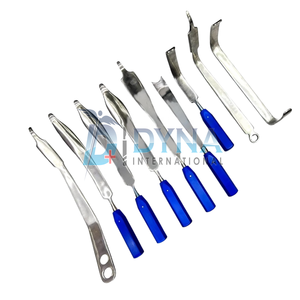
High Quality Manual 9-Piece Arthroplasty Hip Retractor Set (Blue)
CE-certified ergonomic stainless steel hip retractor set for enhanced surgical site exposure during joint replacement.
Send an Inquiry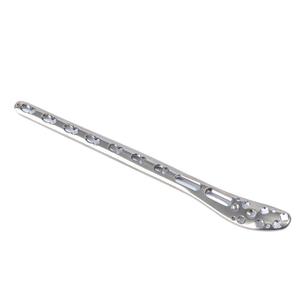
CNC Custom Medical Titanium Implants Veterinary Orthopedic Hip Implant
Precision multi-axis CNC machined titanium alloy implants designed for specialized veterinary and human surgical applications.
Send an Inquiry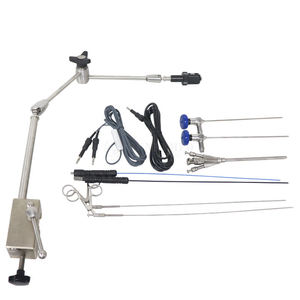
Medical Manual Endoscopic Discectomy System Arm Instrument Holders
Reusable surgical stainless steel endoscope holder providing stable multi-angle positioning during minimally invasive spinal procedures.
Send an Inquiry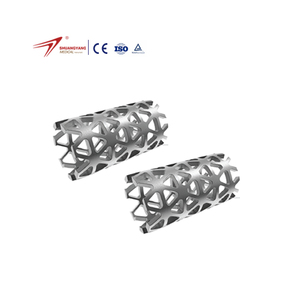
Spinal Titanium Mesh Cage for Cervical & Thoracolumbar Surgery
Biocompatible titanium mesh interbody fusion device engineered for optimal structural stability and osteointegration.
Send an Inquiry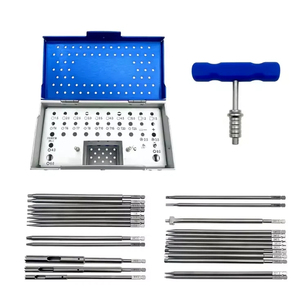
Internal Fixation AO Removal Instrument Kit Broken Nail Extractor
Comprehensive orthopedic surgical extraction set for removing stripped screws, damaged implants, and broken nails.
Send an Inquiry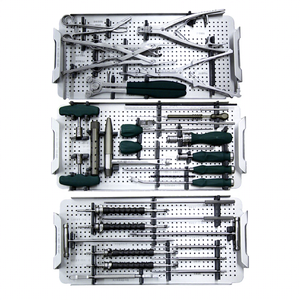
Titanium Alloy COXII Pedicle Screw-Rod 6.0 System Low Profile
CE-certified low-profile spinal fixation system with cannulated and fenestrated screws for superior biomechanical anchoring.
Send an Inquiry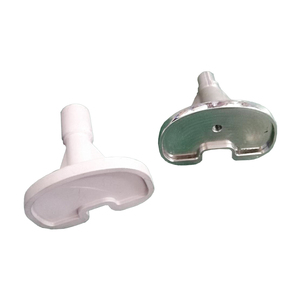
Femoral Component CoCrMo Forged Knee Hinge Joint Components
Customizable cobalt-chromium-molybdenum alloy forged knee joint components featuring high fatigue strength and wear resistance.
Send an Inquiry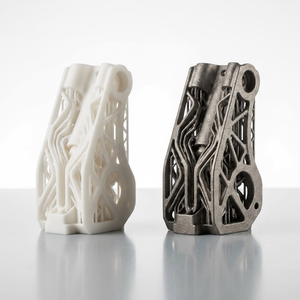
Biocompatible Titanium SLM 3D Printed Custom Bone Implants
ISO 13485 additive manufactured trabecular titanium implants for patient-specific structural bone reconstruction.
Send an InquiryContract Manufacturing Infrastructure & Metallurgy Standards
As a global OEM/ODM trauma implants manufacturer, establishing rigorous metallurgical standards and automated machining infrastructure is vital for delivering implant integrity. Surgical implants for fracture fixation—including trauma locking plates, intramedullary nails, cannulated screws, and external fixators—require precise micro-geometric tolerances and high mechanical endurance to withstand anatomical loads.
Our manufacturing complex utilizes state-of-the-art multi-axis CNC Swiss lathe turning centers, high-speed 5-axis vertical machining centers, and Selective Laser Melting (SLM) additive manufacturing systems. Production lines operate under strict quality management systems aligned with ISO 13485:2016 and ISO 9001 guidelines, ensuring complete lot-level traceability from raw metallic bar stock to gamma-sterilized final packaging.
Medical-Grade Metallurgy
Strict utilization of ASTM F136 (Ti-6Al-4V ELI), ASTM F67 pure titanium (Grade 2 & Grade 4), ASTM F75 CoCrMo, and implantable PEEK-OPTIMA polymers.
Advanced Surface Treatment
Type II & Type III electrochemical color anodizing, micro-arc oxidation, bead blasting, and bio-functional hydroxyapatite (HA) plasma spraying.
Sterile Cleanroom Packaging
ISO Class 7 and Class 8 cleanroom facilities providing double-blister sterile packaging verified to SAL 10-6 via Cobalt-60 gamma irradiation.
To assist global procurement managers in verifying material properties for regulatory filings (such as US FDA 510(k) clearances and EU MDR 2017/745 Technical Files), the matrix below details the mechanical and chemical parameters of our primary implant biomaterials:
| Material Grade | Standard Specification | Tensile Strength (σb / MPa) | Yield Strength (σ0.2 / MPa) | Primary Clinical Application |
|---|---|---|---|---|
| Ti-6Al-4V ELI (TC4) | ASTM F136 / ISO 5832-3 | ≥ 860 MPa | ≥ 795 MPa | Trauma Plates, Pedicle Screws, IM Nails, Suture Anchors |
| Pure Titanium (TA2/TA3) | ASTM F67 / ISO 5832-2 | ≥ 485 – 550 MPa | ≥ 345 – 450 MPa | Cervical Plates, Cranio-Maxillofacial Implants, Mesh Cages |
| CoCrMo Alloy | ASTM F75 / ISO 5832-4 | ≥ 665 MPa | ≥ 450 MPa | Joint Arthroplasty Femoral Heads, Hinge Joints, Bearing Surfaces |
| PEEK Polymer | ASTM F2026 | ≥ 90 – 100 MPa | ≥ 110 MPa (Flexural) | Interbody Fusion Cages, Radiolucent Suture Anchors |
Future Procurement Trends in Trauma Implants (2025–2035)
The global orthopedic implant market is undergoing a major structural evolution driven by aging populations, expanding access to healthcare, and a demand for value-based care. Global medical device distributors and hospital networks are moving away from fragmented sourcing models toward centralized OEM/ODM dynamic partnerships. Key industry shifts reshaping trauma implant procurement include:
1. Additive Manufacturing (3D Printing)
Shift from subtractive machining to direct Selective Laser Melting (SLM) for trabecular porous titanium structures that mimic human cancellous bone morphology, accelerating bone ingrowth.
2. Pre-Sterilized Ready-to-Use Kits
Distributors are prioritizing pre-packaged, single-use sterile implant sets over traditional non-sterile bulk shipments. Pre-sterilized kits remove hospital autoclave costs and lower cross-contamination risks.
3. Flexible ODM & PSI Prototyping
Rising demand for Patient-Specific Implants (PSI) and customized anatomical plates requires suppliers to offer quick 3D CAD modeling, FEA simulation, and dynamic prototyping inside 72-hour windows.
Furthermore, regulatory compliance under the European Medical Device Regulation (EU MDR 2017/745) has raised barriers for smaller suppliers. Procurement directors must partner with tier-1 OEM manufacturers capable of providing complete Clinical Evaluation Reports (CER), post-market surveillance (PMS) data, and validated cleaning/sterilization protocols to preserve market access across global territories.
Industry & Technological Development Trends
Technological advancement in traumatology centers on minimizing surgical invasiveness, ensuring anatomical construct stability, and reducing postoperative recovery times. As an OEM/ODM supplier, our research and development initiatives mirror these primary clinical trends:
- Variable-Angle Polyaxial Locking Systems: Traditional monoaxial locking plates are being replaced by polyaxial locking screw-plate interfaces. This technology allows surgeons to direct screws within a 30-degree cone, accommodating varied fracture geometries and osteoporotic bone conditions.
- Low-Profile Anatomical Pre-Contouring: Modern titanium compression plates are engineered with anatomical pre-shaping based on global CT scan databases. Extremely low-profile designs eliminate the need for intraoperative plate bending, minimizing soft-tissue irritation and operative duration.
- Minimally Invasive Trauma Surgery (MITS) Tooling: Development of dedicated radiolucent carbon-fiber targeting arms, tissue protection sleeves, and specialized AO removal tools that facilitate percutaneous insertion through minimal incisions.
- Bioactive Surface Modifications: Integration of nano-textured titanium surfaces and antimicrobial coatings (such as silver ions or osteoinductive micro-arc coatings) to combat implant-associated surgical site infections.
Comprehensive OEM/ODM Trauma Implants Sourcing FAQ
Key technical, regulatory, and commercial inquiries addressed by our engineering and sales quality team:
Partner with a Leading OEM/ODM Trauma Implants Manufacturer
Contact our medical engineering team today to review your CAD drawings, request material specification datasheets, or obtain a comprehensive competitive quote for custom trauma systems.
Send an Inquiry