Featured Orthopedic Implants & Surgical Instrument Sets
Explore our core OEM/ODM medical instrumentation, trauma plates, spinal interbody systems, and specialized veterinary surgical tool kits built to ISO 13485 and CE standards.
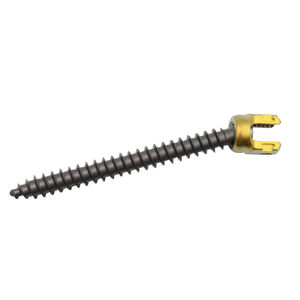
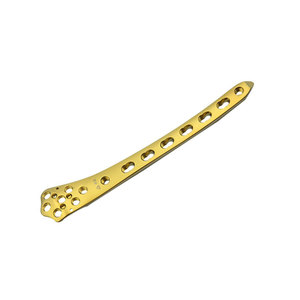
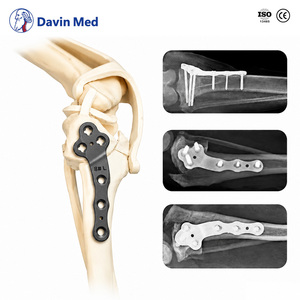
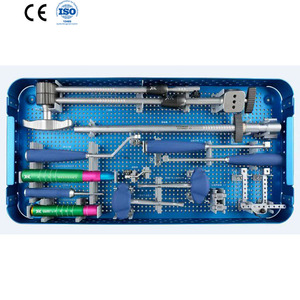
Contract Manufacturing & OEM/ODM Engineering Core Strengths
End-to-end medical device manufacturing solutions—from custom CAD design and prototype machining to anodization, laser marking, and sterile barrier assembly.
High-Precision 5-Axis Machining
Utilizing high-end DMG MORI and Citizen Swiss-type CNC lathes to achieve intricate mechanical tolerances down to ±0.005 mm for spinal rod benders, pedicle screw inserters, and reduction forceps.
ASTM F136 & PEEK Material Standards
All implants and instruments utilize certified medical-grade raw materials including Ti-6Al-4V ELI (ASTM F1472 / F136), pure titanium (ASTM F67), and invibio PEEK-OPTIMA®, supplied with full batch chemical traceability.
Custom Modular Sterilization Trays
Turnkey design of lightweight, high-durability Radel® PPSU and aluminum sterilization trays with custom silicone holder inserts tailored for specific surgical procedure workflows.
Industrial Whitepaper: The Evolution of OEM/ODM Spinal Instrument Sets
The global spinal surgery landscape is undergoing a profound paradigm shift driven by the rapid adoption of Minimally Invasive Spine Surgery (MISS), Unilateral Biportal Endoscopy (UBE), and image-guided robotic navigation. For medical device distributors and OEM brand owners, procuring high-performance, ergonomically optimized, and regulatory-compliant spinal instrument sets has become a critical strategic differentiator.
A surgical instrument set is not merely a collection of steel components; it represents an extension of the orthopedic surgeon’s hands. Precision tactile feedback, repeatable torque control, dynamic bio-mechanical durability, and absolute bio-compatibility are vital requirements. Contract manufacturing of spinal sets requires deep domain expertise in metallurgic behavior, surface friction coefficients, fatigue resistance under cyclic loads, and sterile barrier packaging design.
Core Engineering Demands in Spinal Instrumentation Manufacturing
Whether manufacturing posterior thoracolumbar pedicle screw inserters, cervical fusion cage trial instruments, or anterior lumbar channel retractors, specialized production methodologies must be strictly implemented:
- Torque Calibration & Limiting Ratchets: Spinal pedicle screw insertion requires precise torque control to avoid thread stripping or vertebral cortex compromise. OEM ratchets must maintain tight torque tolerances (e.g., 2.0 Nm to 12.0 Nm) over hundreds of autoclave sterilization cycles.
- Ergonomic Silicone Handle Integration: Direct overmolding of medical-grade silicone onto 17-4PH or 316L stainless steel handles offers superior tactile grip, reduced hand fatigue, and seamless cleanability to eliminate bio-burden accumulation.
- Type II Anodization & TiN Surface Coatings: Color-coded anodization enables rapid intraoperative size identification, while Titanium Nitride (TiN) and Diamond-Like Carbon (DLC) coatings dramatically lower friction coefficients and prevent metal wear debris in sliding components.
- MIS Tubular Retractor Geometry: Thin-walled, radiolucent, high-strength aluminum alloy or titanium retractor blades ensure optimal surgical field visibility under intraoperative X-Ray fluoroscopy and 3D C-arm navigation systems.
Medical-Grade Material Selection Matrix for Surgical Sets & Implants
Selecting the optimal metallurgy and polymer blend is key to ensuring mechanical strength, wear resistance, and radiolucency. Below is our engineering benchmark table for raw materials used across Orthi Medical's OEM production lines:
| Material Specification | Standard Compliance | Tensile Strength (MPa) | Primary Surgical Application | Key Performance Attribute |
|---|---|---|---|---|
| Ti-6Al-4V ELI (Grade 5) | ASTM F136 / ISO 5832-3 | ≥ 860 – 930 MPa | Pedicle Screws, Spine Rods, Trauma Plates | High fatigue strength, light weight, bio-compatible |
| Commercially Pure Ti (TA2/TA3) | ASTM F67 / ISO 5832-2 | ≥ 400 – 500 MPa | Cervical Plates, Craniofacial Implants | Excellent ductility and intraoperative contouring |
| PEEK-OPTIMA® Natural | ASTM F2026 | ≥ 95 – 100 MPa | Interbody Fusion Cages (PLIF, TLIF, ACDF) | Radiolucent, modulus matched to cortical bone |
| 17-4PH Stainless Steel | ASTM F899 | ≥ 1100 – 1300 MPa | Spinal Rod Benders, T-Handle Drivers, Forceps | Ultra-high yield strength, wear-resistant tool steel |
| Radel® PPSU Polymer | ISO 10993 Compliant | ≥ 70 MPa | Sterilization Trays & Surgical Trial Cages | Resists >1,000 steam autoclave cycles without warping |
Future Procurement & Technological Trends in Spinal Instrumentation
1. Consolidation Toward Integrated OEM/ODM Full-System Sourcing
Global hospital procurement boards and orthopedic distributors are moving away from fragmented sourcing strategies. Instead of acquiring implants from one vendor and instrument sets from another, leading brands demand integrated turnkey supply chains. Partnering with a single ISO 13485 certified manufacturer who manages both implant production (PEEK cages, titanium screws) and instrument tray fabrication drastically lowers quality management risks, speeds up regulatory filing, and guarantees seamless mechanical interface fit between implants and inserters.
2. Rise of Single-Use Sterile-Packaged Procedure Kits
To reduce hospital-acquired infections (HAIs) and eliminate complex sterile processing department (SPD) costs, the market demand for pre-sterilized, single-use spinal instrument modules is escalating. By utilizing Co-60 Gamma irradiation to achieve a Sterility Assurance Level (SAL) of 10⁻⁶, contract manufacturers can deliver sterile-packed drills, taps, and minimally invasive dilators straight to the operating room, cutting prep times and simplifying hospital inventory overhead.
3. Navigation & Robotics Compatibility Standardizing Interface Geometry
As optical tracking array frames and robotic surgical arms (such as Medtronic StealthStation or Globus ExcelsiusGPS) become commonplace in operating theaters worldwide, instrument handles and drill guides must feature universal quick-connect couplings (AO, Hudson, or Stryker hex styles) and integrated retro-reflective marker attachment points. Engineering precise geometric concentricity (runout < 0.02 mm) is now mandatory for OEM suppliers.
Why Partner with Orthi Medical Co., Ltd.?
Founded on rigorous quality principles and powered by advanced medical device manufacturing infrastructure, Orthi Medical (Canwell Medical heritage) stands as a top-tier OEM/ODM contract manufacturer for orthopedic and spinal devices.
Comprehensive Regulatory File Support
We assist our global partners with full technical dossiers (STED), ISO 13485 test protocols, biocompatibility studies (ISO 10993), and mechanical test reports (ASTM F1717 for spinal constructs, ASTM F2193 for spinal plates) required for CE MDR (EU) 2017/745 and FDA 510(k) clearances.
Class 10,000 (ISO 7) Cleanroom Packaging
Our state-of-the-art cleanroom environment guarantees ultra-low particulate counts for medical device assembly. We offer Tyvek blister sealing, double-pouch sterile barrier systems, barcode laser etching, and private-label packaging configured to your market’s language specifications.
Frequently Asked Procurement & Technical Questions (FAQ)
Key information for medical device buyers, regulatory officers, and orthopedic product managers seeking custom OEM/ODM spinal instrumentation solutions.
What certifications and quality standards govern your OEM spinal instrument set manufacturing?
What is the typical turnaround lead time for custom ODM spinal instrument set prototype development?
Can Orthi Medical supply custom private-label laser marking and color-coded anodization?
How are torque-limiting handles tested and calibrated to prevent intraoperative failure?
Do you offer pre-sterilized implant and instrument packaging services?
What is your Minimum Order Quantity (MOQ) for custom spinal surgical instrument sets?
How do you ensure instrument compatibility with competitor spinal implants or existing systems?
What mechanical testing documentation can you provide for regulatory submission?
What materials are used for your custom sterilization trays and holder modules?
What is the step-by-step process to initiate an OEM/ODM project with Orthi Medical?
Ready to Develop Your OEM/ODM Spinal Instrument Set?
Partner with an established ISO 13485 medical device exporter. Contact our engineering team today to review your drawings, request sample sets, or receive a competitive factory quote within 24 hours.
Contact Us