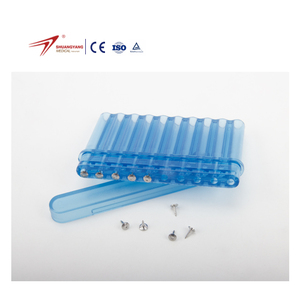
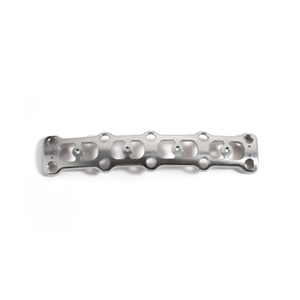
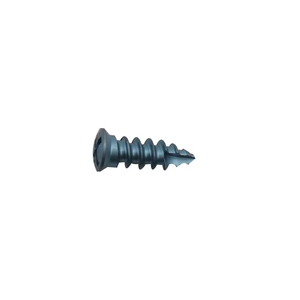
Shuangyang Titanium Alloy Screw GBR Membrane Bone Tack System
Ultra-precise micro-threading for GBR membrane fixation. Manufactured from bio-grade TC4 Titanium (ASTM F1472) for maxillofacial & dental reconstruction.
Engineered for extreme biocompatibility, structural fatigue resistance, and flawless surgical performance under ISO 13485 cleanroom manufacturing.
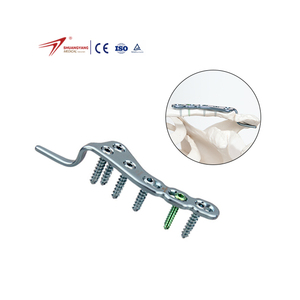
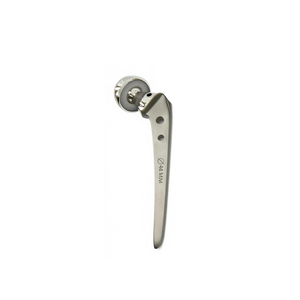
A comprehensive analysis of metallurgy, biomechanics, surface modifications, and regulatory compliance frameworks defining global surgical supply chains.
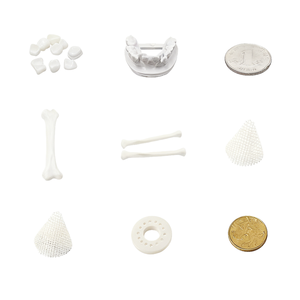
The traditional reliance on subtractive CNC machining is evolving toward hybrid manufacturing. Direct Metal Laser Sintering (DMLS) and Electron Beam Melting (EBM) allow contract manufacturers to create complex 3D trabecular structures directly integrated into implants. By mimicking the elastic modulus of cancellous bone (1.5–5.0 GPa), additive manufacturing significantly mitigates the stress shielding effect that traditionally led to aseptic loosening in total joint replacements and spinal interbody cages.
Surface modification represents the primary frontier for accelerating osseointegration. Leading OEM factories are implementing Plasma-Sprayed Hydroxyapatite (HA) coatings, Micro-Arc Oxidation (MAO), and Physical Vapor Deposition (PVD) Titanium Nitride (TiN) layers. These nano-textured surfaces stimulate osteoblast adhesion while simultaneously inhibiting bacterial bio-film formation, drastically reducing post-operative surgical site infections (SSI) in trauma and arthroplasty procedures.
Polyetheretherketone (PEEK) and Carbon-Fiber-Reinforced PEEK (CFR-PEEK) have solidified their dominance in spinal fusion devices, sports medicine anchors, and radiolucent trauma plates. PEEK offers complete radiolucency under X-ray and CT imaging, allowing orthopedic surgeons to evaluate bone bridging without metallic artifacts. OEM suppliers are now expanding into bioactive PEEK formulations loaded with calcium phosphate or HA nanoparticles to overcome PEEK's historic bio-inertness.
Comparative reference of implant-grade alloys and polymers utilized across our OEM/ODM manufacturing lines.
| Material Classification | International Standard | Tensile Strength (MPa) | Yield Strength (MPa) | Biocompatibility & Clinical Applications |
|---|---|---|---|---|
| Pure Titanium (Grade 2 / Grade 3) | ASTM F67 / ISO 5832-2 | ≥ 345 – 550 | ≥ 275 – 450 | Excellent ductility; ideal for GBR membrane tacks, maxillo-facial plates, and dental implants. |
| Ti-6Al-4V ELI (Grade 23) | ASTM F136 / ISO 5832-3 | ≥ 860 | ≥ 795 | High fatigue strength; gold standard for pedicle screws, trauma locking plates, intramedullary nails. |
| Co-28Cr-6Mo Alloy | ASTM F75 / ISO 5832-4 | ≥ 655 | ≥ 450 | Extreme wear resistance; utilized in femoral heads, knee tibial trays, and bearing surfaces. |
| Medical Grade PEEK-OPTIMA | ASTM F2026 | 90 – 100 | 110 – 130 (Flexural) | Radiolucent polymer; optimal elastic modulus for cervical/lumbar interbody fusion cages and suture anchors. |
| UHMWPE / Cross-linked PE | ASTM F648 / ISO 5832-9 | ≥ 40 | ≥ 21 | Ultra-low friction coefficient; superior articulation insert material for total hip and knee replacement. |
Key risk factors, regulatory shifts, and operational strategies shaping successful procurement over the next decade.
The transition from EU MDD to MDR has permanently reshaped medical device trade. Importers can no longer rely on superficial OEM certs; regulators require complete clinical evaluation reports (CER), post-market surveillance (PMS) protocols, and raw material traceability back to the titanium ingot heat number. Premier exporters provide full regulatory assistance files, simplifying market approval for distributors across Europe, South America, and Southeast Asia.
Hospitals are rapidly shifting away from non-sterile implants that require sterilization in surgical trays before operating room deployment. Pre-sterilized implants—packaged individually in double-blister Tyvek pouches and subjected to Cobalt-60 Gamma Irradiation ($10^{-6}$ Sterility Assurance Level)—eliminate hospital reprocessing costs, prevent cross-contamination, and streamline hospital inventory management.
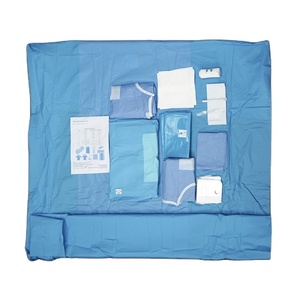
Distributors are increasingly requesting turn-key ODM solutions where the factory provides not only the implants, but customized ergonomic instrument trays, laser-marked branding, color-anodized dimension codes, and custom packaging artwork. This vertical integration allows brand owners to minimize time-to-market and reduce capital expenditure on localized manufacturing equipment.
Clear, definitive answers regarding quality control, minimum order quantities, regulatory files, and production timelines.
Connect with our senior engineering and regulatory team to request CAD models, sample prototypes, factory audit reports, or instant pricing for your procurement requirements.