Flagship Orthopedic Implants & Instrument Systems
High-precision orthopedic medical devices manufactured from medical-grade Titanium (ASTM F136 / ASTM F67) and PEEK OPTIMA under cleanroom Class 100,000 protocols.
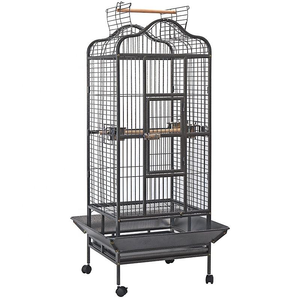
Factory Outlet Large Wrought Metal Wire Bird Cage New Design Open Play Top for Parrot & Canary Breeding Pet Cage
Get Catalog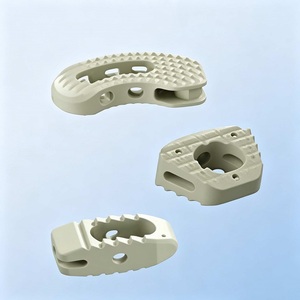
High Biocompatible PEEK Cervical Cage With Screw Anterior Cervical Fusion Cage Spinal Implant
Get Catalog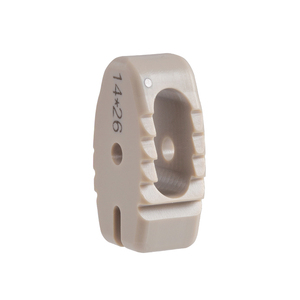
Spinal Implants PLIF Peek Cage Cervical Cage for Spine Surgery CE ISO Spine Instrument Set
Get Catalog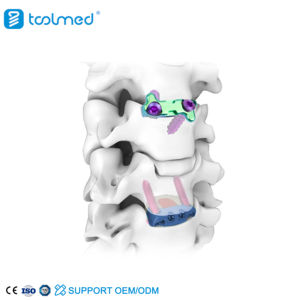
Medical Spine Fixation System Lumbar Cage Peek Cage Double Locking Screw Cervical Cone fusion Cagefor Surgery Spinal Implants
Get Catalog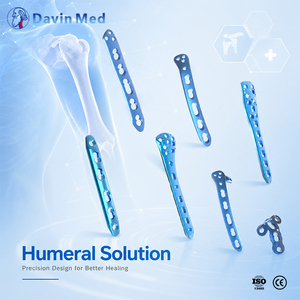
Factory Price Orthopedic Humeral Plate and Screw System OEM ODM Surgical Implants
Get Catalog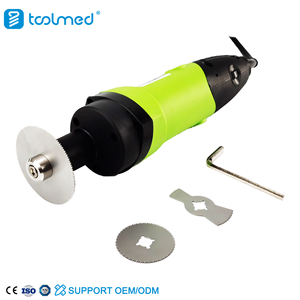
TOOLMED Factory Price Plaster Saw Orthopedic Drill And Saw Orthopedic Power Tool Delicate Quality Surgical Drill
Get Catalog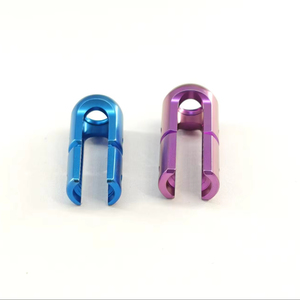
OEM Titanium Pedicle Screw Head U-Type Open Hook ISO 13485 Spinal Rod Seat Fixation Implant Custom Anodized CNC
Get Catalog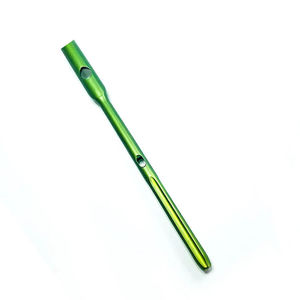
Best Factory Price Antirotation Titanium Proximal Femoral Nail PFNA Orthopedic Implant Set CE ISO Certificate By Surgiright
Get CatalogTechnical Whitepaper: Engineering Architecture of OEM/ODM Orthopedic Implants
In modern reconstructive surgery and trauma fixation, the structural integrity of orthopedic implants determines post-operative patient outcomes, osseointegration rates, and long-term fatigue life. As a global OEM/ODM contract manufacturer and exporter, our engineering paradigm operates at the intersection of bio-metallurgy, tribology, and high-precision CNC manufacturing. Sourcing orthopedic implants for distribution requires rigorous technical evaluation beyond basic geometric specifications.
1. Advanced Metallurgy & Polymer Tribology
Selection of implant-grade raw materials directly influences elastic modulus mismatch between human cortical bone (~18 GPa) and internal fixation hardware. We utilize medical-grade materials conforming to international standards:
| Material Specification | International Standard | Tensile Strength (σb) | Modulus of Elasticity | Primary Clinical Application |
|---|---|---|---|---|
| Ti-6Al-4V ELI (Grade 5) | ASTM F136 / ASTM F1472 | ≥ 930 MPa | 110 GPa | Pedicle Screws, Locking Trauma Plates, PFNA Nails |
| Pure Titanium (TA2 / TA3) | ASTM F67 | 400 – 500 MPa | 105 GPa | Cranial Plates, Maxillofacial Fixation, Reconstructive Mesh |
| PEEK OPTIMA® Natural | ASTM F2026 | 90 – 100 MPa | 3.6 GPa | Cervical & Lumbar Interbody Fusion Cages (PLIF/TLIF) |
| Ultra-High Molecular Weight Polyethylene | ASTM F648 / ISO 5834-2 | ≥ 40 MPa | 0.9 GPa | Total Joint Arthroplasty Liners (Hip & Knee) |
For spine fixation systems—including anterior cervical plates, posterior thoracolumbar systems, and PEEK interbody fusion cages—our precision manufacturing ensures zero-component micro-motion under dynamic torsional loads. PEEK (Polyetheretherketone) implants match natural radiolucency, allowing surgeons clear radiological assessment of bone graft fusion via X-ray and CT imaging without metallic streak artifacts.
Strategic Outlook: Global Orthopedic Procurement Trends (2025–2030)
The global medical device market is undergoing structural shifts driven by stringent regulatory frameworks (EU MDR 2017/745, US FDA 510k), hospital economic pressures, and the rapid adoption of Ambulatory Surgical Centers (ASCs). Healthcare procurement teams must adapt to four pivotal trends reshaping the supply chain:
1. Transition to Sterile Pre-Packaged Kits
Hospitals are migrating from traditional non-sterile implant trays requiring autoclave sterilization to individual, gamma-irradiated (Co-60, SAL 10-6) blister packages. This eliminates hospital reprocessing costs and minimizes surgical site infection (SSI) risks.
2. Growth of MIS & UBE Systems
Minimally Invasive Surgery (MIS) and Unilateral Biportal Endoscopy (UBE) demand specialized micro-instruments, high-definition 4K endoscopes, radiofrequency ablation probes, and cannulated pedicle screws designed for percutaneous insertion.
3. Tightened Regulatory Compliance & MDR Data
Global distributors require OEM partners to provide complete technical documentation (TCF), raw material traceability certificates, mechanical fatigue test reports (ASTM F1717 / ASTM F543), and clinical evidence files.
Product Innovation & Technological Trends in Orthopedics
Product advancement in the orthopedic sector is expanding beyond standard trauma hardware into smart implant designs, bio-functionalized surfaces, and custom additive manufacturing.
A. Trabecular Titanium & Porous 3D-Printed Structures
Direct Metal Laser Sintering (DMLS) allows the creation of 3D-printed porous titanium interbody cages and joint reconstructive cups. By engineering pore sizes between 300 to 600 microns and porosity levels above 60%, these structures mimic natural trabecular bone architectures, stimulating rapid osteoblast migration and bone ingrowth without requiring biological coatings.
B. Surface Engineering & Type II Titanium Anodization
To prevent galling between titanium screw threads and locking plate holes, specialized surface treatments are deployed. Electrochemical Type II anodization forms a dense titanium oxide layer that dramatically enhances surface hardness, reduces friction coefficients, and improves fatigue performance under cyclical loading.
C. Bioresorbable Fixation in Sports Medicine
In arthroscopic sports medicine—such as ACL/PCL reconstruction and rotator cuff repair—the industry is transitioning from permanent metallic anchors to high-strength PEEK suture anchors and bio-absorbable composite anchors (PLDLA + β-TCP). These materials gradually osteoconduct while providing secure, low-profile tendon-to-bone fixation.
Factory OEM/ODM Capabilities & Quality Assurance Infrastructure
As an established ISO 13485-certified orthopedic manufacturer, our facility integrates high-precision Swiss-type turning centers, 5-axis CNC machining complexes, automated ultrasonic cleaning lines, and Class 100,000 cleanrooms to support global OEM clients from design validation to finished device supply.
Precision CNC Machining
Equipped with imported 5-axis DMG MORI and Citizen Swiss CNC lathes capable of maintaining tight tolerances within ±0.005 mm for complex screw thread profiles and articular geometries.
Full Metrology Traceability
Each production batch undergoes 100% optical CMM dimensional inspection, surface roughness profiling, optical comparator verification, and destructive axial pull-out / torque fatigue testing.
Cleanroom & Packaging
Medical-grade Tyvek blister heat sealing executed inside an ISO Class 7 cleanroom environment, fully validated for ethylene oxide (EtO) or gamma irradiation processing.
Frequently Asked Procurement Questions (FAQ)
Detailed technical answers addressing standard regulatory, engineering, and contractual queries raised by medical device buyers and distributors.
What regulatory certificates and material test reports accompany OEM implant shipments?
Can you execute full custom OEM/ODM development from CAD drawings?
What are the minimum order quantities (MOQ) for custom orthopedic implants?
How are products packaged for sterile vs non-sterile distribution?
What lead times can distributors expect for OEM production orders?
Accelerate Your Orthopedic Device Supply Chain
Partner with an ISO 13485 certified manufacturer for OEM trauma, spine, joint, and sports medicine systems. Request our master product catalog and technical file dossier today.