Precision Orthopedic Implants & Instrument Systems
CE & ISO 13485 Certified Medical Device OEM Solutions Available for Global Procurement
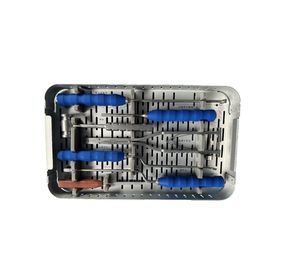
Stainless Steel Cervical Spine Implants Cervical Interbody Fusion Cage Mesh Cage Instrument Set
Get Catalog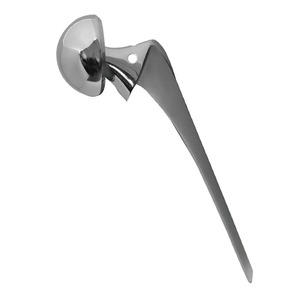
Orthopedic Implant Wholesaler Price Bipolar Hip Joint Prosthesis System
Get Catalog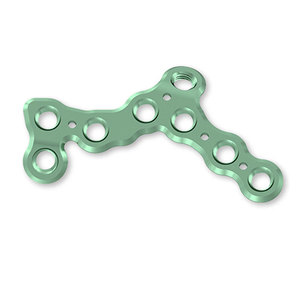
Orthopedic Surgical Trauma Non-Locking Large Fragment Plate Instrument Set
Get Catalog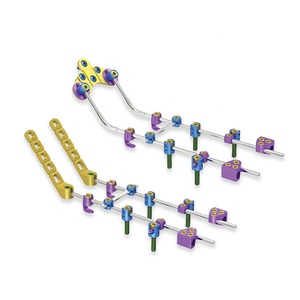
Posterior Occipital-Cervical-Thoracic Spinal Fixation System
Get Catalog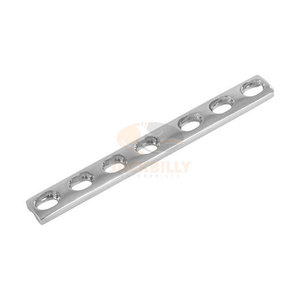
Premium Veterinary Orthopedic Bone Implants & Stainless Steel Instrument Sets
Get Catalog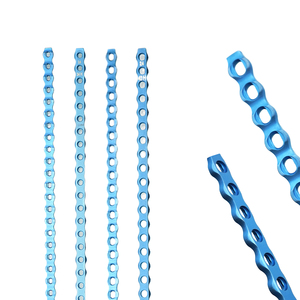
Veterinary Orthopedic 2.4mm ALPS-II Mini Titanium Locking Plate System
Get Catalog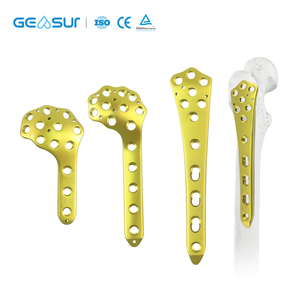
Orthopedic Distal Femur Locking Plate Titanium Alloy Fixation System
Get Catalog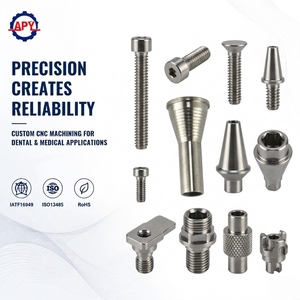
ISO 13485 Precision Custom CNC Machined Titanium Dental Abutment Implants
Get CatalogEngineering & Regulatory Capabilities
Why Tier-1 OEM/ODM Medical Device Brands Partner with Certified Manufacturers
Rigorous Biocompatibility Assurance
Comprehensive biological evaluation of medical devices per ISO 10993-1, covering chemical characterization, cytotoxicity, systemic toxicity, and long-term tissue integration profiles.
Medical-Grade Material Metallurgy
Precision machining of ASTM F136 / ASTM F1472 Titanium (Ti-6Al-4V ELI), ASTM F67 Pure Titanium (Grades 2 & 4), implantable PEEK (ASTM F2026), and Cobalt-Chromium (CoCrMo) alloys.
Multi-Axis CNC Precision Machining
State-of-the-art 5-axis Swiss lathe micro-machining, automated surface finishing, anodizing color coding, and cleanroom washing guaranteeing micro-level tolerance accuracy.
Gamma & EO Sterile Packaging Solutions
ISO Class 7 cleanroom pouching, rigid blister packaging, double sterile barrier systems validated for Cobalt-60 Gamma radiation (SAL 10⁻⁶) with extended 5-year shelf-life stability.
Turnkey Regulatory Support Files
Complete Design History Files (DHF), Technical Files for EU MDR (2017/745), FDA 510(k) Master Files, and comprehensive chemical extractables/leachables (E&L) documentation.
Rapid Prototyping & Customization
Fast-track OEM/ODM drawing-to-prototype workflow. Custom instrument tray configuration, patient-specific orthopedic design modifications, and private-label laser marking.
Executive Summary: The Critical Role of Biocompatibility in Medical Implant Manufacturing
In the high-stakes environment of global orthopedic device manufacturing, establishing absolute biological safety and biostability is the cornerstone of regulatory clearance, commercial success, and patient outcome optimization. Orthopedic implants—ranging from trauma locking plates, pedicle screw fixation systems, and interbody fusion cages to total hip and knee joint arthroplasty prostheses—are classified as permanently implanted medical devices (Class IIb and Class III) under international regulatory frameworks such as US FDA 21 CFR Part 820, EU Medical Device Regulation (MDR 2017/745), and China NMPA guidelines.
Biocompatibility testing evaluates how a medical implant interacts with human living tissue, systemic circulation, cellular metabolic processes, and the immune system over extended durations. For original equipment manufacturers (OEMs) and original design manufacturers (ODMs), selecting qualified manufacturing partners with integrated biocompatibility testing expertise, standardized material controls, and validated ISO 10993 compliance matrices is paramount to eliminating market entry bottlenecks and preventing post-market implant failures.
Regulatory Compliance Alert: EU MDR & FDA Guidance on Biocompatibility
Under EU MDR Annex I General Safety and Performance Requirements (GSPR 10.1 & 10.2), manufacturers must evaluate not only the raw material chemical composition, but also manufacturing residuals, sub-micron particulates, cleaning agent degradation products, surface anodization layers, and gamma irradiation cross-linking effects. Standard material certifications alone are no longer sufficient without a holistic Risk Management Plan following ISO 14971 and chemical characterization per ISO 10993-18.
ISO 10993 Biological Evaluation Framework for Orthopedic Implants
The ISO 10993 standard series provides a structured risk-based biological evaluation framework. Permanent skeletal contact implants (>30 days exposure) require a rigorous battery of in vitro and in vivo testing protocols to verify that physical, chemical, and biological risks are thoroughly mitigated.
| ISO Standard | Test Evaluation Category | Primary Regulatory Focus & Methodology | OEM Qualification Standard |
|---|---|---|---|
| ISO 10993-5 | In Vitro Cytotoxicity | L929 mouse fibroblast cell viability via MTT/XTT assays to detect cell lysis & metabolic inhibition. | Cell Viability > 70% vs control |
| ISO 10993-10 / 23 | Sensitization & Irritation | Intracutaneous reactivity and Murine Local Lymph Node Assay (LLNA) to verify non-allergenic potential. | Zero erythema & edema rating |
| ISO 10993-11 | Systemic & Subchronic Toxicity | Evaluation of systemic organ toxicity following extract exposure over prolonged contact durations. | No adverse systemic pathological changes |
| ISO 10993-3 | Genotoxicity & Carcinogenicity | Ames bacterial reverse mutation & mouse lymphoma assays to ensure zero mutagenic risks. | Negative mutagenic / genotoxic profile |
| ISO 10993-6 | Local Effects After Implantation | Histopathological assessment of bone contact and soft tissue response at 4, 12, 26, and 52 weeks. | Stable osseointegration, no fibrous halo |
| ISO 10993-4 | Hemocompatibility | Hemolysis, complement activation, and thrombogenicity testing for implants contacting vascular beds. | Hemolytic Index < 2.0% |
| ISO 10993-18 | Chemical Characterization | ICP-MS, GC-MS, and LC-MS extractables/leachables (E&L) profiling under exaggerated solvent conditions. | Toxicological Threshold of Concern (TTC) met |
Detailed Testing Methodology Breakdown
- Chemical Characterization & Extractables/Leachables (E&L) Analysis: Prior to conducting animal testing, ISO 10993-18 mandates quantitative chemical characterization. Implants undergo polar (water/saline) and non-polar (isopropanol/hexane) extractions under accelerated temperature conditions (e.g., 50°C or 70°C for up to 72 hours). Advanced analytical instruments—including Gas Chromatography-Mass Spectrometry (GC-MS), Liquid Chromatography-Mass Spectrometry (LC-MS), and Inductively Coupled Plasma Mass Spectrometry (ICP-MS)—screen for residual CNC machining oils, cutting fluids, detergent surfactants, heavy metal trace elements, and cleaning residue organics.
- Osseointegration and Bone Implantation Testing (ISO 10993-6): Orthopedic devices rely on mechanical stability and direct structural connection to living bone tissue. Implantation studies in cortical and cancellous animal bone models measure osteoblast proliferation, bone-to-implant contact (BIC) ratios, push-out shear strength, and local inflammation. Advanced titanium surface modifications—such as micro-arc oxidation (MAO), sandblasting and acid etching (SLA), and plasma-sprayed Hydroxyapatite (HA) coatings—are validated to ensure enhanced bone ingrowth without triggering foreign body giant cell reactions.
- Hemocompatibility and Endotoxin / Pyrogen Testing (ISO 10993-4 & USP <85>): Intraoperative debris or endotoxin contaminants present on implant surfaces can trigger severe inflammatory cascades, aseptic loosening, or febrile reactions. Bacterial Endotoxin Testing (BET) using the Limulus Amebocyte Lysate (LAL) kinetic chromogenic method guarantees that endotoxin levels remain below 0.5 EU/mL (or <20 EU/device) prior to final lot distribution.
Material Science & Metallurgical Engineering in OEM Manufacturing
The foundation of implant biocompatibility lies in raw material selection and metallurgical integrity. OEM suppliers must maintain strict material verification protocols, ensuring batch-level chemical composition and mechanical properties comply with international ASTM and ISO standards.
Titanium and Titanium Alloys (ASTM F67, ASTM F136, ASTM F1472)
Titanium remains the gold standard material for orthopedic trauma, spinal screws, and arthroplasty components due to its superior strength-to-weight ratio, low modulus of elasticity, and excellent passive oxide film formation (TiO₂). When exposed to oxygen, titanium spontaneously forms a stable, self-healing oxide layer 2–10 nm thick. This passive layer prevents metallic ion leaching (such as Ti, Al, or V ions) into surrounding tissue, delivering outstanding corrosion resistance and biostability.
For high-load applications, Ti-6Al-4V ELI (Extra Low Interstitial, Grade 23 / ASTM F136) is favored over standard Grade 5 titanium due to reduced oxygen, nitrogen, and iron content, which significantly enhances fracture toughness, fatigue resistance, and biocompatibility in long-term load-bearing implants.
Polyetheretherketone (PEEK) Polymers (ASTM F2026)
Implantable PEEK is widely utilized in spinal interbody fusion cages, suture anchors, and craniomaxillofacial implants. PEEK exhibits a elastic modulus (~3.6 GPa) closely matching human cancellous and cortical bone (~10–18 GPa), mitigating the phenomenon of stress shielding—where stiffer metallic implants carry excessive mechanical load, leading to adjacent bone resorption and osteopenia. Furthermore, PEEK is radiolucent, enabling clear artifact-free radiographic and MRI evaluation post-surgery, while maintaining high chemical inertness and biological safety.
Cobalt-Chromium-Molybdenum Alloys (ASTM F75, ASTM F1537)
CoCrMo alloys are predominantly deployed in joint replacement bearing surfaces (such as femoral heads for hip arthroplasty and knee femoral components). CoCrMo provides extreme hardness, superior wear resistance, and smooth polishability. OEM quality control requires strict control over chromium and molybdenum oxide passivation layers to prevent trace cobalt or nickel ion release, which can trigger delayed-type metal hypersensitivity reactions.
Future Market Trends & Innovations in Orthopedic Implants
The global orthopedic implant market is experiencing rapid technical transformation driven by minimally invasive surgery (MIS), personalized healthcare, and advanced biomaterials science. Procurement executives and device engineers must align with modern development trends:
Additive Manufacturing & 3D Porous Structures
Direct Metal Laser Sintering (DMLS) and Electron Beam Melting (EBM) allow the fabrication of trabecular titanium porous structures. These emulate natural bone architecture (50–80% porosity, 300–600 µm pore size), promoting rapid vascularization and cellular migration without requiring hydroxyapatite coatings.
Bio-Resorbable Magnesium Alloys
Bioabsorbable magnesium and zinc-based trauma screws gradually degrade in human tissue after bone healing, eliminating secondary implant removal surgeries. Biocompatibility testing focuses on managing degradation hydrogen gas evolution rates and local tissue pH shifts.
Antibacterial & Functional Surfaces
To combat Surgical Site Infections (SSI) and peri-implantitis, advanced OEM implants feature silver nanoparticles, copper-doped titanium surfaces, or antibiotic-releasing polymer coatings designed to prevent bacterial biofilm colonization while maintaining human cell osteogenesis.
Strategic OEM Sourcing Framework for Healthcare Procurement Executives
Evaluating an orthopedic implant OEM/ODM manufacturer requires a structured multi-tier audit process spanning regulatory certification, precision tooling capability, biological safety testing validation, and supply chain resilience:
- Quality Management System Audits (ISO 13485 & MDSAP): Verify that the manufacturer holds active ISO 13485:2016 certificates audited by accredited Notified Bodies (e.g., TÜV SÜD, BSI, DEKRA). For global brands expanding into the US, Canada, Japan, or Australia, Medical Device Single Audit Program (MDSAP) recognition drastically simplifies regulatory expansion.
- Cleanroom Processing & Water Purification: Confirm that cleaning, passivation, final washing, and packaging take place in certified ISO Class 7 (Class 10,000) or ISO Class 8 cleanrooms. The purified water system must comply with USP/EP requirements for TOC (<500 ppb) and conductivity (<1.3 µS/cm).
- Batch Traceability & Material Mill Certificates: Every single production lot of implants must be traceable back to the raw material heat number, complete with mill test reports verifying chemical composition, tensile strength, yield strength, and elongation percentage.
- Sterilization Validation (ISO 11137 & ISO 11135): For gamma-irradiated pre-sterilized implants, audit the vd25 or Method 1 sterilization validation documentation per ISO 11137-2. Ensure quarterly bioburden audits and dose audit tests are routinely executed.
Procurement & Technical FAQs
Expert Answers to Common OEM Sourcing and Biocompatibility Testing Queries
Request Full OEM Catalog & Technical Compliance Dossiers
Partner with an ISO 13485 certified manufacturer for high-precision trauma plates, pedicle screws, arthroplasty systems, and custom orthopedic contract manufacturing.
Get Catalog