Featured OEM/ODM Implants & Surgical Systems
CE & ISO 13485 Certified Medical Devices Engineered for Global Hospital & Clinical Procurement
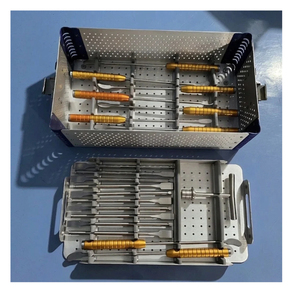
Stainless Steel PLIF TLIF Cage Surgical Instrument Set Manual Orthopedic Spine Surgery Tools
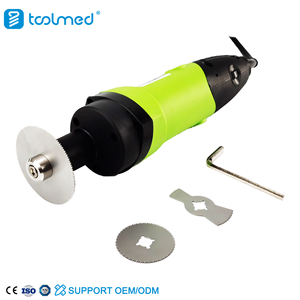
TOOLMED Factory Price Plaster Saw Orthopedic Drill And Saw Delicate Quality Surgical Drill
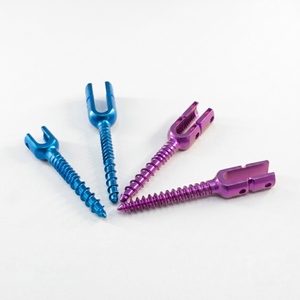
Anodized Titanium Monoaxial Pedicle Screw Orthopedic Implants Surgery Spine 6.0MM Reduction Screw
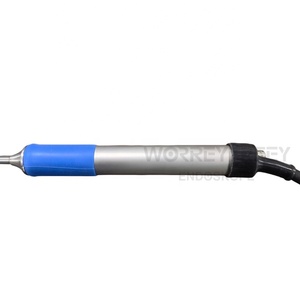
Max 70000r/min Power Drill Surgical Shaver System Discectomy Endoscope Transforaminal Instrument
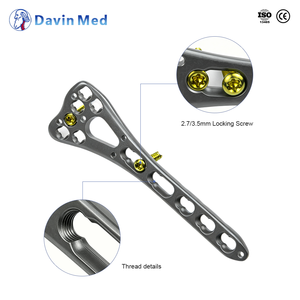
Distal Radius Volar Locking Plate Titanium Variable Angle Anatomical Precontoured Orthopedic Implant
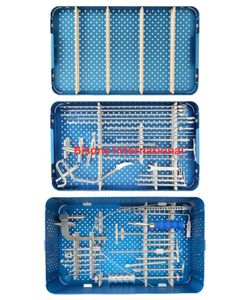
BISONS Stainless Steel Manual Distal Femoral Retrograde Nail & Short PFN Instrument Set CE Certified
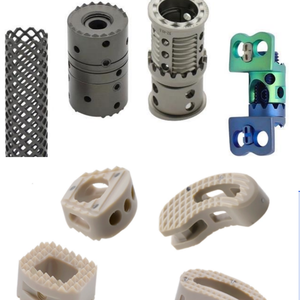
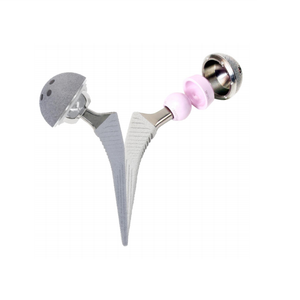
1. Biomechanical Engineering & Technical Scope of OEM/ODM Bone Plate and Screw Systems
Modern trauma orthopedics and osteosynthesis rely heavily on the structural integrity, biomechanical compatibility, and precise machining of internal fixation systems. As a specialized OEM/ODM bone plate and screw system manufacturer and exporter, our engineering infrastructure is dedicated to addressing complex rigid internal fixation requirements across anatomical fracture types, including distal radius, proximal humerus, femoral shaft, tibial plateau, and complex pediatric/adult spinal deformities.
Bone plate and screw constructs function under demanding mechanical environments where dynamic flexural fatigue, shear strain, and axial loading occur simultaneously during physiological movement. Achieving optimal primary stability without suppressing strain-driven secondary bone healing (callus formation) requires advanced metallurgic selection, variable-angle thread engagement mechanics, and pre-contoured anatomical geometry.
Critical Material Specifications & Biocompatibility Standardisation
We manufacture implants adhering strictly to international medical-grade material standards, ensuring zero cytotoxicity, high fatigue endurance limits, and superior MRI/CT artifact reduction:
- Titanium Alloy (Ti-6Al-4V ELI / ASTM F1472 & ASTM F136): Offers high strength-to-weight ratio, ultimate tensile strength ≥930 MPa, low elastic modulus (~110 GPa) close to human cortical bone, and exceptional corrosion resistance via a stable titanium oxide passivation layer.
- Unalloyed Pure Titanium (TA2 / TA3 / ASTM F67): Used primarily for soft anatomical adaptative plates (e.g., cranial-maxillofacial, reconstructive rib plates) where intraoperative contouring flexibility is paramount.
- Medical Grade 316L Stainless Steel (ASTM F138 / ISO 5832-1): Vacuum arc remelted (VAR) formulation providing high ductility, tensile modulus (~190 GPa), and economical structural rigidity for heavy trauma and load-bearing long-bone nails.
- PEEK Optima (Polyetheretherketone): Radiolucent biomaterial ideal for interbody spinal fusion cages, offering modulus compatibility (~3.5 to 18 GPa) matched to trabecular bone structure.
2. Metallurgical & Mechanical Property Matrix
The table below highlights the comparative technical specifications and biomechanical parameters governed by our strict ISO 13485 quality control system during OEM drawing verification and contract manufacturing:
| Biomaterial Standard | Tensile Strength (MPa) | Yield Strength (MPa) | Elongation (%) | Fatigue Limit (ASTM F382) | Primary Clinical Application |
|---|---|---|---|---|---|
| Ti-6Al-4V ELI (ASTM F136) | ≥ 860 - 930 | ≥ 795 | ≥ 10% | High Dynamic (10⁶ Cycles) | Volar Plates, Pedicle Screws, Intermedullary Nails |
| Pure Titanium Grade 3 (ASTM F67) | ≥ 550 | ≥ 380 - 450 | ≥ 18% | Moderate Flexural Load | Anatomical Maxillofacial & Rib Locking Plates |
| 316L Stainless Steel (ASTM F138) | ≥ 860 | ≥ 690 | ≥ 12% | High Rigid Fixation | Heavy Trauma Distal Femoral & Retrograde Nails |
| PEEK Polymer (ASTM F2026) | ≥ 95 - 120 | ≥ 90 | ≥ 5% | Radiolucent Load Sharing | Spinal Fusion Cages (PLIF/TLIF/OLIF) |
3. Global Procurement Trends & Future Market Outlook (2025–2035)
As healthcare systems globally shift toward value-based procurement, hospital purchasing groups and medical device brand owners are fundamentally changing how they select OEM/ODM contract manufacturing partners. Distributors and importers are no longer searching merely for component suppliers, but for integrated, registration-ready manufacturing partners capable of delivering full supply chain transparency, rapid customization, and complete regulatory compliant technical files.
Key Industry Drivers Reshaping Orthopedic Sourcing:
1. Single-Use Gamma Pre-Sterilized Kits
Hospitals are actively seeking pre-packaged, Co-60 gamma-irradiated (SAL 10⁻⁶) sterile plates and screws. This eliminates hospital CSSD reprocessing costs, reduces surgical site infection (SSI) risks, and guarantees absolute implant traceability back to the raw material lot.
2. Variable Angle Locking (VALS) Shift
Conventional fixed-angle locking screw constructs are rapidly giving way to polyaxial and variable-angle (+/- 15 degrees) locking mechanisms. This allows surgeons to dynamically target articular fragments without compromising the thread-locking mechanism inside the plate hole.
3. Regulatory Consolidation (EU MDR)
Stricter European Medical Device Regulation (EU MDR 2017/745) and US FDA 510(k) auditing standards mean OEM suppliers must provide comprehensive ISO 14971 risk management files, clinical evaluation reports (CER), and full validation testing (ASTM F382, ASTM F543).
4. OEM/ODM Manufacturing Infrastructure & Enterprise Advantages
Our state-of-the-art manufacturing facility combines high-precision Swiss CNC turning centers, 5-axis DMG MORI milling machines, automated surface anodization lines, and dedicated cleanroom packaging suites. We partner with worldwide distributors, hospital suppliers, and orthopedic device companies to transform custom 2D/3D technical drawings into market-ready, certified surgical devices.
Precision CNC Machining Tolerances
Equipped with multi-axis Citizen Swiss CNC lathes capable of achieving thread pitch accuracies and contour tolerances within ±0.005 mm, eliminating thread stripping and cross-threading risks during intraoperative insertion.
Color-Coded Type II Anodization
In-house electrochemical surface treatment producing thick, non-cytotoxic, hard-anodized oxide layers. Color coding enables immediate visual size recognition in operating room trays (e.g., 2.7mm yellow, 3.5mm green, 5.0mm blue).
Turnkey Private Label & Packaging
Offering custom laser marking (UDI / GTIN barcode engraving), custom aluminum sterilization trays, blister tray heat-sealing, and complete ISO 11607 sterile pouch packaging ready for export distribution.
5. Turnkey OEM/ODM Contract Manufacturing Process
From early-stage CAD prototyping to mass automated batch production and regulatory filing support, our standardized 5-phase OEM workflow guarantees fast time-to-market and full traceability:
- Phase 1: Design Review & DFM Analysis: Our biomedical engineering team reviews customer CAD/STEP files, evaluating wall thickness, thread root radii, and plate transition zones to optimize Design for Manufacturability (DFM).
- Phase 2: Prototype Machining & Mechanical Validation: Production of sample batches tested in accordance with ASTM F382 (Four-Point Bending Test for Metallic Bone Plates) and ASTM F543 (Axial Pull-Out Strength and Torsional Yield Testing for Medical Bone Screws).
- Phase 3: Tooling & Process Validation (IQ/OQ/PQ): Implementation of rigorous Installation Operational and Performance Qualification protocols across CNC workstations and automated washing/cleaning lines.
- Phase 4: Mass CNC Production & Surface Finishing: Automated high-volume production under 100% optical dimension scanning, vibratory deburring, ultrasonic cleaning, and color anodization.
- Phase 5: Cleanroom Packaging & Terminal Sterilization: Products are clean-room packed in Class 10,000 (ISO Class 7) environments and processed via Co-60 gamma sterilization (Sterility Assurance Level SAL 10⁻⁶).
6. Frequently Asked Questions (FAQ) for Global Sourcing & OEM Buyers
Partner with a World-Class Orthopedic OEM/ODM Manufacturer
Ready to launch your custom bone plate system, scale trauma implant production, or request factory-direct wholesale pricing? Contact our senior biomedical engineering team today.
Get a Quote