Precision Orthopedic Components & Implant Systems
Direct from ISO 13485 accredited production lines. Machined from certified medical-grade titanium alloy, commercially pure titanium, and bio-compatible polymers.
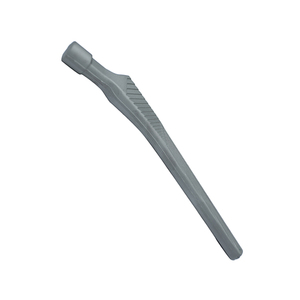
High Quality Forged Ti6Ai4V Hip Joint Prosthesis Orthopedic Implant ISO 13485 Certified Customized Size HKXN Brand
Precision-forged Ti-6Al-4V ELI (ASTM F1472) hip stems engineered for press-fit stability, featuring plasma-sprayed HA porous coatings for superior long-term fixations.
Get a Quote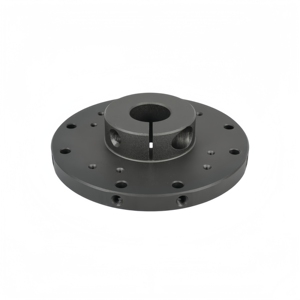
OEM Custom Orthopedic Implant Machined Parts Titanium Alloy
High-precision 5-axis CNC contract machining for complex trauma plates, joint components, and specialized instruments with tight tolerances up to ±0.005mm.
Get a Quote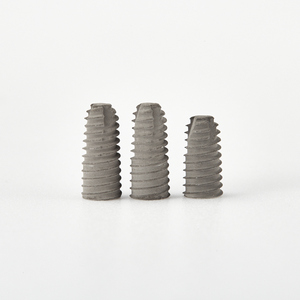
Factory Direct Pure Titanium S.L.A Surface Dental Implants High Quality Metal Consumables On Sale
Grade 4 Pure Titanium (ASTM F67) dental fixtures processed with Sandblasted, Large-grit, Acid-etched (S.L.A) micro-texture for accelerated osseointegration.
Get a Quote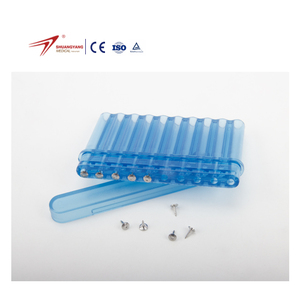
Shuangyang Orthopedic Implant Titanium Alloy Screw Gbr Membrane Bone Tack System Dental Hospital Use CEISO Certified 1 Year
Guided Bone Regeneration (GBR) micro-screws and bone tacks crafted from high-tensile titanium alloy, optimized for stable membrane retention in oral and craniomaxillofacial surgeries.
Get a Quote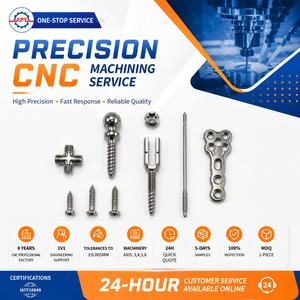
Precision CNC Machined Orthopedic Implants Titanium Bone Screws Spinal Fixation Parts OEM Custom Medical Components Manufacturer
Polyaxial and monoaxial spinal pedicle screws designed with friction-fit heads, self-tapping thread geometries, and anodized color coding for thoracolumbar reconstruction.
Get a Quote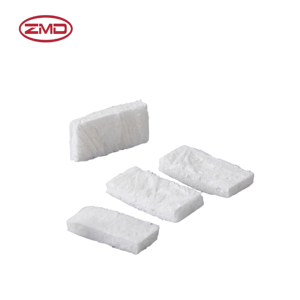
Biocompatible BTCP-based Apatite-like Bone Grafting Material For Rehabilitation Equipment
Synthetic Beta-Tricalcium Phosphate (β-TCP) bone graft matrices providing interconnected 60–80% porosity, promoting rapid cell infiltration and osteoconductive remodeling.
Get a Quote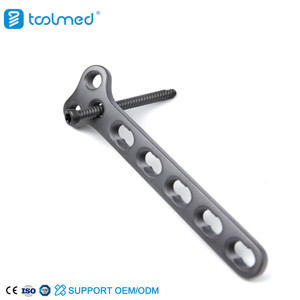
Good Quality Factory Directly Supply Titanium Veterinary Orthopedic Implant Plate T Type Locking Plate
Anatomic low-profile T-shaped locking compression plates tailored for canine and feline orthopedic trauma fixation, manufactured from medical titanium alloy.
Get a Quote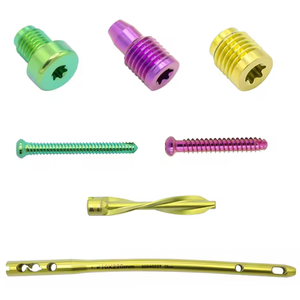
Orthopedic Trauma Screw System Full Set Titanium Surgical Implant Supplier with OEM Service
Comprehensive trauma fixation screw set including cortical, cancellous, and locking screws paired with ergonomic surgical drivers and customizable sterilization trays.
Get a QuoteOEM Orthopedic Implant Sourcing Architecture: Quality, Compliance, and Supply Chain Risk Mitigation
A comprehensive analysis for medical device procurement managers, OEM sourcing agents, and hospital supply managers.
The global orthopedic implant sector is entering an unprecedented era of operational transformation. Driven by stringent international regulatory evolution—such as the transition from MDD to EU MDR 2017/745 in Europe and heightened US FDA 510(k) auditing standards—medical device original equipment manufacturers (OEMs) and contract sourcing agents can no longer rely on conventional subcontracting models. Securing a reliable contract manufacturing partner requires evaluating complete vertical capability: from raw mill material verification through 5-axis high-speed CNC milling, automated chemical passivation, surface functionalization, cleanroom packing, and regulatory dossier generation (STED).
1. Metallurgy Standards & Mechanical Performance Benchmarks
Material integrity represents the primary failure barrier in orthopedic surgical implants. Load-bearing structural devices (such as femoral joint stems, intra-medullary nails, trauma plates, and spinal pedicle screws) require optimized fatigue life, high yield strength, and excellent bio-inertness. OEM sourcing directors must enforce strict raw material validation under standardized international specifications:
- Ti-6Al-4V ELI (ASTM F1472 / ISO 5832-3): Extra Low Interstitial (ELI) titanium alloy is the gold standard for structural load-bearing devices. By minimizing interstitial elements (oxygen, nitrogen, iron, and carbon), ELI grade titanium exhibits superior fracture toughness and high cyclic fatigue resistance (ultimate tensile strength ≥930 MPa), preventing fatigue micro-cracking under repetitive physiological loads.
- Commercially Pure Titanium (ASTM F67 Grade 2, 3 & 4): Unalloyed titanium is prioritized in applications where primary osseointegration and surface modification are critical, including dental implant fixtures, maxillofacial reconstruction mesh, and cranioplasty bone tacks. Grade 4 pure titanium offers tensile strength exceeding 550 MPa while maintaining superior cell attachment properties.
- PEEK OPTIMA (ASTM F2026): Polyether ether ketone polymer provides a modulus of elasticity (3.5 GPa) closely matching human cortical bone (18 GPa). This elastic mechanical match eliminates "stress shielding" effects around spinal fusion sites, encouraging natural bone remodeling across cervical and lumbar interbody cages.
- Cobalt-Chromium-Molybdenum (ASTM F75 / ISO 5832-4): CoCrMo alloys are specified for high-wear articular bearing surfaces in total knee joint replacements due to exceptional hardness and polished surface finish integrity.
| Material Designation | ASTM / ISO Standard | Tensile Strength (MPa) | Elastic Modulus (GPa) | Primary Clinical Application |
|---|---|---|---|---|
| Ti-6Al-4V ELI (TC4) | ASTM F1472 / ISO 5832-3 | ≥ 930 MPa | 110 – 114 GPa | Hip Stems, Pedicle Screws, Trauma Locking Plates |
| Pure Titanium Grade 4 | ASTM F67 / ISO 5832-2 | ≥ 550 MPa | 104 – 105 GPa | Dental Implants, GBR Tacks, Maxillofacial Plates |
| PEEK OPTIMA Polymer | ASTM F2026 | ≥ 95 MPa | 3.5 – 4.0 GPa | Cervical & Lumbar Interbody Fusion Cages |
| CoCrMo Cast Alloy | ASTM F75 / ISO 5832-4 | ≥ 660 MPa | 210 – 230 GPa | Knee Joint Femoral Components, Articular Bearings |
| Synthetic β-TCP | ASTM F1088 | ≥ 20 MPa (Compressive) | Scaffold Matrix | Osteoconductive Synthetic Bone Graft Substitute |
2. Precision Machining Technology & Tolerancing Controls
Manufacturing complex medical geometries—such as variable-angle locking plate screw holes, cannulated spine screws, and porous hip joint stems—demands state-of-the-art precision machining. Partnering with a specialized OEM sourcing factory provides immediate access to advanced machining infrastructure without heavy capital expenditure:
- 5-Axis Swiss-Type CNC Turning: Utilizing multi-axis Citizen and Star Swiss lathes allows continuous high-speed machining of complex bone screw threads, cannulated cores, and outer drive features in a single setup, guaranteeing concentricity within ±0.005mm.
- High-Speed 5-Axis Milling Centers: Used for anatomical contouring of trauma plates and total joint prostheses. Multi-axis movement eliminates secondary fixturing errors, producing smooth, continuous toolpaths across anatomical curve profiles.
- Wire EDM & Laser Micro-Drilling: High-precision electrical discharge machining (EDM) facilitates sharp internal keyways and complex locking slots in PEEK cages and stainless steel instrument drivers without induced thermal stresses.
3. Surface Engineering & Bio-Functionalization
Surface micro-topography dictates host tissue response and the rate of osseointegration. Leading OEM manufacturing facilities incorporate specialized surface modification suites:
- Sandblasted, Large-Grit, Acid-Etched (S.L.A) Treatment: Combining coarse corundum blasting with thermal acid etching creates a dual macro- and micro-porous structure (1–3 µm pits). This micro-rough surface accelerates osteoblast attachment, drastically reducing bone healing turnaround times in dental and orthopedic implants.
- Hydroxyapatite (HA) Vacuum Plasma Spraying: Depositing a dense, uniform HA micro-layer onto forged titanium joint stems provides a chemical scaffold mimicking natural bone hydroxyapatite, promoting rapid bone ingrowth (press-fit fixation).
- Anodization Type II & Type III Color Coding: Electrochemical oxidation forms a durable protective titanium oxide film. Type II anodization reduces galling and thread friction in titanium locking screws, while Type III color coding enables rapid visual size identification in the operating theater.
Turnkey OEM & ODM Infrastructure Capabilities
Core engineering modules designed to support global medical distributors, private label brand owners, and hospital networks.
ISO 13485 & Cleanroom Manufacturing
Operates under full ISO 13485:2016 Quality Management Systems. Finished implant processing, cleaning, and primary pouch sealing are conducted within ISO Class 7 (Class 10,000) controlled cleanroom environments.
Sterile Packaging & Co-60 Gamma Irradiation
Offers ready-to-use sterile packaged implants utilizing double Tyvek blister pouches. Validated Co-60 gamma sterilization delivers a Sterility Assurance Level (SAL) of 10⁻⁶ in compliance with ISO 11137.
Regulatory Dossier Support (STED File)
Provides complete technical file documentation including material test reports (MTRs), biocompatibility test results (ISO 10993), mechanical fatigue testing data, and process validation for FDA 510(k) and CE approvals.
Custom Private Labeling & Laser Marking
Full OEM private label customization: high-precision fiber laser marking for UDI barcodes, dynamic product catalog codes, custom color anodization, and branded surgical tray arrangement.
Future Procurement Trends in Global Medical Device Supply Chains
Key strategic shifts transforming how procurement executives select custom OEM orthopedic implant factories.
1. Transition Toward Consolidated Single-Source Contracting
Historically, medical device sourcing managers fragmented production—purchasing titanium bar stock from one distributor, subcontracting machining to a job shop, and transferring parts to third-party anodizers and cleanroom repackagers. This multi-tiered model introduced high quality risk, extended lead times, and complex audit trails. Modern procurement strategy favors single-source contract manufacturers who own and control every process phase internally. Single-source OEM factories ensure single-point quality accountability under one unified ISO 13485 QMS framework.
2. Direct-to-OR Sterile Packaged Implants
Hospitals and surgical centers worldwide are actively reducing operating room reprocessing overhead. Non-sterile implants require labor-intensive washing, sorting, and steam autoclaving inside the hospital SPD (Sterile Processing Department), increasing reprocessing wear and cross-contamination risks. Sourcing pre-sterilized, double-blister Tyvek packed implants (gamma irradiated to SAL 10⁻⁶) eliminates hospital sterilization steps, streamlines surgical setup times, and provides absolute inventory traceability down to the individual patient record.
3. Additive Manufacturing & Porous Lattice Innovations
The boundary between traditional subtractive CNC machining and 3D metal printing (Direct Metal Laser Sintering - DMLS / Electron Beam Melting - EBM) is converging. The industry is moving toward hybrid manufacturing: printing porous trabecular titanium lattice zones directly integrated with CNC-machined structural screw threads and joint interfaces. Sourcing agents should partner with factories experienced in post-processing additive components, including HIP (Hot Isostatic Pressing) heat treatment and precision thread machining.
Frequently Asked Questions: OEM Orthopedic Implant Sourcing
Direct technical answers addressing critical sourcing, manufacturing standards, quality audits, and regulatory compliance.
What quality certifications and regulatory standards apply to your OEM manufacturing processes?
How do you verify material purity and batch traceability from raw bar stock to finished implant?
What dimensional tolerances can your 5-axis CNC machining lines maintain?
Can orthopedic implants be supplied pre-sterilized and ready for surgical use?
What technical documentation dossier (STED) support is provided for local registration?
What surface modification options are available for titanium and PEEK devices?
How is Intellectual Property (IP) protected during custom CAD drawing evaluation and prototyping?
What are the typical minimum order quantities (MOQ) and production lead times for custom OEM orders?
What mechanical fatigue testing standards are applied prior to mass manufacturing release?
Do you manufacture matching surgical instruments and sterilization trays for OEM systems?
OEM Supplier Evaluation Checklist for Sourcing Directors
Verify these 6 critical operational capabilities before executing contract manufacturing agreements for medical implants:
Ready to Scale Your OEM Orthopedic Supply Chain?
Partner directly with a certified ISO 13485 manufacturer. Request CAD/drawing reviews, material test documentation, or instant prototype pricing from our engineering team today.
Get a Quote