Featured OEM Orthopedic Implants & Surgical Systems
Explore our precision-engineered trauma fixation plates, spinal fusion systems, veterinary implants, and specialized surgical equipment manufactured under rigorous medical-grade ISO 13485 standards.
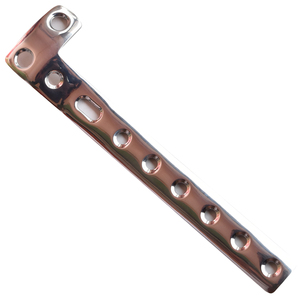
DETAIN IMPEX Orthopedic Surgical Non-Locking Plate Large Fragment Manual Instrument Set Lower Limb Bone Fixation Model
Get Catalog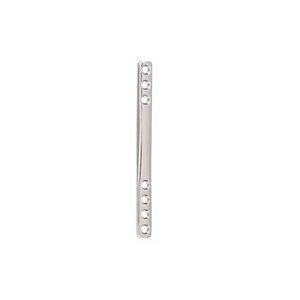
Competitive Price MEDICA Brand Orthopedic Implants Stainless Steel 2.0 Straight Hole Plate Type 4 Model AF00920 for Veterinary
Get Catalog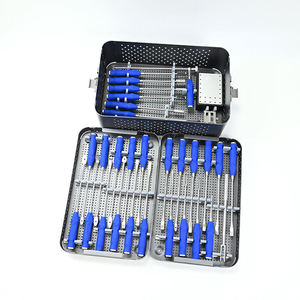
PLIF PEEK Cage & Titanium Lumbar Cage Instrument Set Stainless Steel Posterior Lumbar Interbody Fusion System
Get Catalog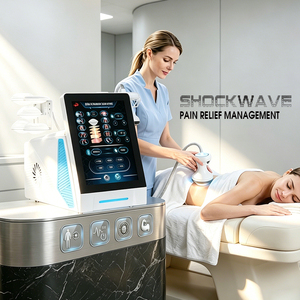
Medical Grade Focused ESWT Shockwave Machine 20Hz Frequency Chronic Pain Relief Device Manufacturer
Get Catalog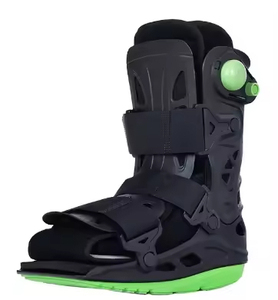
Orthopedic Foot Rehabilitation Walker Boots Factory Price Ortho Healthcare Device
Get Catalog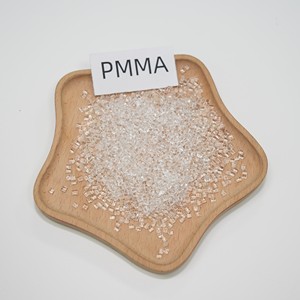
PMMA Polymer Material for Dental Prosthetics Orthopedic Bone Cement Surgical Instrument Components and Implantable Devices
Get Catalog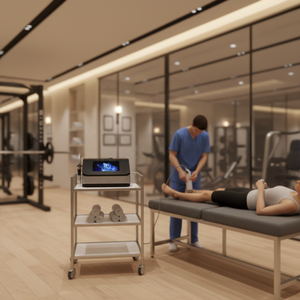
NewFace Manufacturer Wholesale Focused Shockwave Machine ESWT Therapy Treatment System Extracorporeal Shock Wave Therapy Device
Get Catalog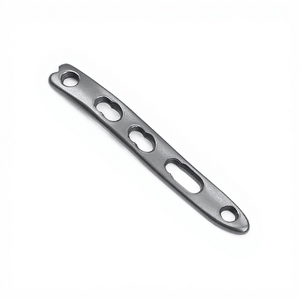
High Quality Hengchee Brand Internal Fixation Device Distal Posterior Radius Radius Locking Plate II Orthopedic Implants Model 1208
Get CatalogStrategic Engineering & Custom OEM Manufacturing of Distal Radius Locking Plates
Distal radius fractures remain among the most frequent acute traumatic injuries encountered in orthopedic emergency departments worldwide, representing approximately 18% of all adult fractures. The evolution of internal fixation systems—specifically the transition from conventional non-locking compression plates to anatomical volar distal radius locking compression plates (LCP)—has transformed hand and upper extremity surgical outcomes. As global healthcare brands, distributors, and original equipment manufacturers (OEMs) seek competent manufacturing partners, evaluating factory engineering depth, material purity, and regulatory compliance is vital to capturing market share in this high-growth segment.
1. Biomechanical Design Architecture of Volar Distal Radius Plates
The primary surgical goal of distal radius fixation is the anatomical restoration of the articular surface, radial length, radial inclination (average 22°), and volar tilt (average 11°). Custom OEM distal radius locking plate manufacturers must incorporate advanced biomechanical features into their design matrices:
- Watershed Line Compliance: The distal rim of the volar plate must conform strictly proximal to the watershed line to minimize the risk of flexor pollicis longus (FPL) and flexor digitorum profundus (FDP) tendon attrition or rupture. Modern low-profile designs feature chamfered distal edges with an overall thickness under 1.5mm at the distal extremity.
- Polyaxial vs. Fixed-Angle Locking Mechanisms: Leading OEM factories offer both fixed-angle threaded locking holes (typically 2.4mm/2.7mm peg/screw interfaces) and polyaxial (variable angle) locking technology allowing +/- 15° cone vectoring. Variable angle locking enables surgeons to target specific styloid or lunate facet fragments while avoiding joint penetration.
- Anatomical Pre-Contouring: Left and right specific anatomical geometries eliminate the need for extensive intraoperative plate bending, preserving the cold-worked fatigue life of titanium alloy (Ti-6Al-4V ELI / ASTM F136) or pure titanium (ASTM F67 Grade 4).
OEM / ODM Customization Capabilities & Engineering Standards
Our state-of-the-art medical device production facility combines automated Swiss-type turning, 5-axis CNC machining, and automated cleaning cleanrooms to deliver private-label trauma solutions.
Medical-Grade Raw Materials
Full material batch traceability adhering to ASTM F136 (Ti-6Al-4V ELI), ASTM F67 (Unalloyed Titanium TA2/TA3), and ISO 5832 specifications. Complete chemical analysis and tensile strength documentation supplied with every production run.
Precision CNC & Micro-Finishing
5-axis DMG MORI CNC milling and Citizen Swiss-lathes achieving tight tolerances within ±0.005mm. Advanced electro-polishing and automated ultrasonic cleaning ensure pristine surface roughness (Ra < 0.4μm).
Type II Anodization & Color Coding
Biocompatible electrochemical surface treatments (Type II hard gray anodization or Type I color coding) enhance surface hardness, reduce fretting corrosion, and provide intuitive color-matching for 2.4mm / 2.7mm screw systems.
Distal Radius Locking Plate Technical Specifications Matrix
OEM brand managers can select from standard reference specifications or request full custom drawing development (CAD/CAM integration):
| Specification Parameter | Volar Extra-Articular Plate | Volar Juxta-Articular LCP | Dorsal / Radial Styloid Plate |
|---|---|---|---|
| Target Indication | Simple shaft & metaphyseal fractures | Complex intra-articular fractures (C1-C3) | Comminuted dorsally displaced fractures |
| Material Grade | Ti-6Al-4V ELI / Pure Titanium TA3 | Ti-6Al-4V ELI (ASTM F136) | Ti-6Al-4V ELI / Medical Grade Stainless Steel |
| Distal Screw Diameters | 2.4mm / 2.7mm Cortex & Locking | 2.0mm / 2.4mm Polyaxial Locking Pegs | 2.0mm / 2.4mm Low-Profile Locking Screws |
| Plate Thickness | 1.6mm - 2.0mm tapered shaft | 1.2mm - 1.5mm ultra-low distal rim | 1.0mm - 1.3mm micro-profile |
| Head Screw Configuration | 4 to 5 distal linear holes | Double-row 6 to 9 polyaxial matrix | Columnar dual-ring fixation |
| Sterilization Option | Non-Sterile / Co-60 Gamma (SAL 10-6) | Gamma Sterilized Tyvec Packaging | Gamma Sterilized Single Pack |
Future Product Development & Technical Trends in Distal Radius Fixation
The orthopedic trauma market is experiencing rapid technological refinement. OEM factories that invest in next-generation manufacturing capabilities provide brand owners with significant competitive advantages. Key trends shaping the future of distal radius locking plate production include:
1. Patient-Specific 3D Printed Titanium Implants
Additive manufacturing via Direct Metal Laser Sintering (DMLS) allows for custom 3D-printed titanium plates tailored to complex malunion and non-union cases. OEM manufacturers are integrating hybrid workflows—combining 3D-printed porous bone-contact surfaces with precision CNC-machined locking screw threads.
2. Zero-Profile & Biodegradable Hybrid Fixation
To completely eradicate tendon friction issues, researchers are developing ultra-low zero-profile volar plates combined with magnesium-alloy or bio-absorbable polymer screw plugs. Next-gen contract manufacturing is shifting toward ultra-slim, high-strength structural profiles capable of maintaining rigidity during early hand rehabilitation.
Future Procurement Trends for OEM Distal Radius Locking Plate Buyers
Strategic purchasing managers in the medical device sector face evolving regulatory and economic landscapes. When selecting custom OEM distal radius locking plate manufacturers & factories, buyers must consider four macro procurement trends:
- Consolidated Single-Source Supply Chains: Importers are shifting away from fragmented sourcing. Tier-1 buyers prefer OEM factories capable of supplying complete trauma ecosystems—combining distal radius plates, matching cannulated compression screws, K-wires, and custom ergonomic instrument sets in unified sterile trays.
- Direct-to-OR Sterile Packaging (SAL 10-6): Pre-sterilized, ready-to-use implant packages are rapidly replacing non-sterile bulk shipments. Pre-packaged sterile plates reduce hospital autoclave reprocessing costs, decrease surgical site infection (SSI) risks, and allow distributors to streamline hospital inventory management.
- Regulatory Technical File Support (MDR & FDA 510k): With stringent European Union Medical Device Regulation (EU MDR 2017/745) and US FDA audit requirements, OEM manufacturers must supply comprehensive Technical Files, including biocompatibility reports (ISO 10993), mechanical fatigue data (ASTM F382), and clinical evaluation reports (CER).
- Agile Minimum Order Quantities (MOQs) & Buffer Stocking: To mitigate global supply disruption, brand owners are partnering with contract factories that offer flexible batch production alongside vendor-managed inventory (VMI) arrangements.
Why Partner With Our OEM / ODM Manufacturing Facilities?
As an established ISO 13485 certified manufacturer of orthopedic implants and surgical instruments, our factory combines deep technical expertise with efficient industrial scale. We provide global medical device distributors, brand owners, and hospital networks with end-to-end contract manufacturing services.
Full In-House Quality Verification
Every lot of distal radius plates undergoes rigorous dimensional verification using automated Coordinate Measuring Machines (CMM), optical shadowgraphs, and 100% thread gauge testing. Mechanical integrity is continuously validated via static bending and dynamic fatigue testing per ASTM F382 guidelines.
Turnkey OEM / ODM Solutions
From initial CAD modeling and rapid prototyping to laser marking, custom anodized color schemes, graphic instrument box fabrication, and private-label packaging, we deliver registration-ready medical devices tailored to your brand identity.
Frequently Asked Questions for OEM Distal Radius Plate Sourcing
Find authoritative answers to common engineering, regulatory, and commercial inquiries from medical device buyers.
What raw materials are utilized for custom OEM distal radius locking plates?
Can your factory manufacture variable angle (polyaxial) locking plates?
What quality management certifications does your production facility hold?
Are implants available in sterile pre-packaged formats?
What is the typical lead time for custom OEM prototyping and mass production?
Request Custom OEM Distal Radius Locking Plate Quotations
Partner with an industry-leading orthopedic trauma implant factory. Contact our engineering and procurement team today to receive detailed technical catalogs, CAD design evaluations, and OEM price quotes.
Get Catalog