
State-of-the-Art Titanium Mesh Implants: Engineering & Clinical Foundations
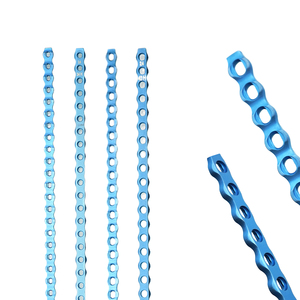
In modern reconstructive surgery, surgical titanium mesh serves as a cornerstone material for restoring structural integrity across cranio-maxillofacial defects, complex orthopedic trauma, alveolar bone grafting, and spinal fusion procedures. As a premier China wholesale titanium mesh implant manufacturer and supplier, our engineering processes are rooted in stringent metallurgical research, advanced bio-compatibility validation, and precision micro-machining.
Titanium and its bio-grade alloys—specifically Commercial Pure Titanium (CP Ti Grade 2 / Grade 3 per ASTM F67) and Ti-6Al-4V ELI (Extra Low Interstitial per ASTM F136 / ASTM F1472)—exhibit exceptional bio-inertness, corrosion resistance, and an optimal modulus of elasticity. These inherent characteristics minimize stress shielding, promote vascularized osseointegration, and ensure long-term structural survivability within the human body.
Metallurgical Specifications & Material Science Comparison
Selecting the appropriate titanium grade is vital for aligning implant mechanical performance with specific clinical indications. Below is a detailed technical comparison of the medical-grade materials utilized across our wholesale titanium mesh manufacturing facilities:
| Material Specification | Standard Compliance | Tensile Strength (MPa) | Yield Strength (MPa) | Clinical Applications |
|---|---|---|---|---|
| CP Titanium Grade 2 | ASTM F67 / ISO 5832-2 | ≥ 345 | 275 – 450 | Cranio-maxillofacial mesh, orbital floor plates, soft tissue support |
| CP Titanium Grade 3 | ASTM F67 / ISO 5832-2 | ≥ 450 | 380 – 550 | Contoured trauma mesh, alveolar bone ridge augmentation |
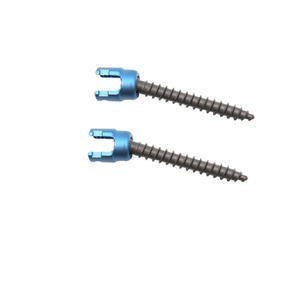
| Ti-6Al-4V ELI (Grade 5) | ASTM F136 / ISO 5832-3 | ≥ 860 | ≥ 795 | Load-bearing spinal mesh cages, severe reconstruction, pedicle screw systems |
| Ultra-Porous Additive Ti | ASTM F3001 (3D Printing) | Tailored (Porous) | Engineered Pore Size | Patient-Specific Implants (PSI), custom cranial & pelvic defect reconstruction |
Why Global Healthcare Buyers Partner with Our Manufacturing Facility
Navigating global medical device procurement requires strict adherence to international regulatory frameworks, consistent lot-to-lot traceability, and dependable production lead times. As a dedicated OEM/ODM manufacturing partner in China, we deliver measurable commercial and operational advantages to medical distributors, brand owners, and hospital networks worldwide.
ISO 13485 & Cleanroom Manufacturing
Operated under certified ISO 13485 Quality Management Systems with Class 10,000 (ISO Class 7) cleanrooms for ultra-clean processing, washing, and sterile packaging.
Advanced Additive Manufacturing & CNC
Equipped with 5-axis German high-precision CNC machining centers and Selective Laser Melting (SLM) 3D printers for complex, lattice-structured titanium meshes.
Regulatory File Support (CE / FDA 510k)
Full technical documentation, material mill test reports, mechanical testing data, and bio-compatibility reports to support your local registration.
Full OEM/ODM & Private Labeling
Custom laser marking, custom anodization color coding (blue, gold, green, magenta), tailored tray configurations, and custom box packaging design.
Gamma Sterilized Ready-to-Use Implants
Options for single-pack sterile delivery utilizing Co-60 Gamma irradiation (SAL 10⁻⁶) in blister packages, drastically reducing hospital reprocessing costs.
Direct Factory Wholesale Pricing
Eliminate intermediary markup. Gain high-margin competitive advantage in your regional market through direct China factory-direct contract pricing.
Future Procurement Trends in Titanium Mesh & Orthopedic Implants
As global healthcare systems shift toward value-based care and personalized medicine, procurement managers must align with manufacturers capable of adapting to emerging technological trends. Here are the key forces shaping titanium mesh manufacturing and distribution through 2030:
1. Rapid Transition to Patient-Specific 3D Printed Implants (PSI)
While standardized, stock micro and mini titanium meshes remain essential for emergency trauma care, non-conforming large bone defects in cranial and maxillofacial surgery are increasingly treated with custom 3D-printed titanium implants. By transforming DICOM files from patient CT scans into 3D CAD mesh models via Additive Manufacturing (SLM/EBM), surgeons can achieve anatomically perfect fits, reducing operative times by up to 40% and eliminating manual intraoperative bending stresses.
2. Bioactive Surface Functionalization & Osseointegration Coatings
Future titanium mesh structures are moving beyond passive bio-inertness toward active bone healing stimulation. Advanced surface modification techniques—including micro-arc oxidation (MAO), nano-hydroxyapatite (HA) plasma spraying, and atomic layer deposition of osteoinductive coatings—are becoming standard requirements for high-tier medical tenders. These surface innovations promote faster osteoblast adhesion and angiogenesis, critical for high-risk patients with impaired bone healing capabilities.
3. Consolidation of Supply Chains & Single-Pack Sterile Delivery
Hospitals worldwide are actively seeking to reduce operating room sterilization burdens and cross-contamination risks. Sourcing pre-sterilized, individually double-blistered titanium meshes with traceably barcode-labeled packages provides immediate inventory transparency and guarantees SAL 10⁻⁶ sterility compliance upon opening. China-based OEM suppliers offering turnkey sterile packaging solutions are capturing a growing share of global distributor orders.
Frequently Asked Questions (FAQ) for B2B Importers & Procurement Managers
Find answers to standard commercial, technical, and regulatory questions regarding wholesale titanium mesh procurement from China.