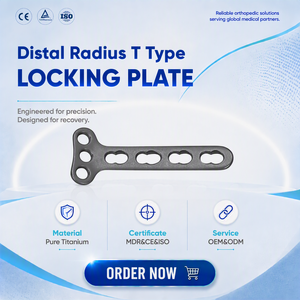
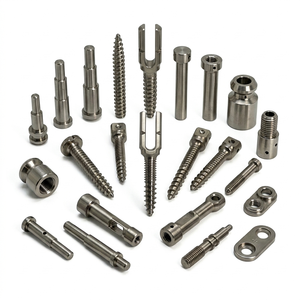
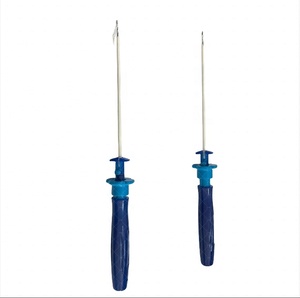
Featured Orthopedic Fixation & Surgical Implant Systems
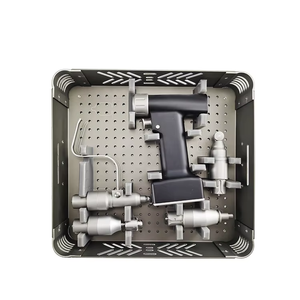
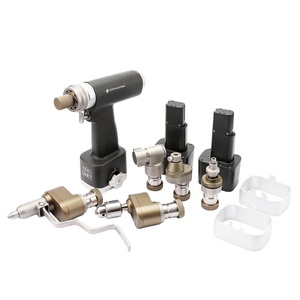
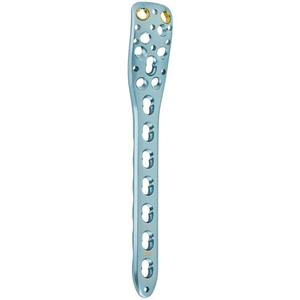
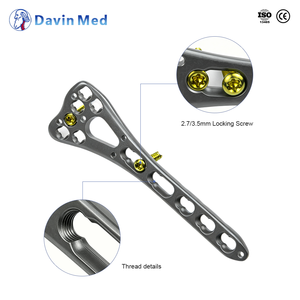
Engineered to international regulatory standards (ISO 13485, CE, ASTM F136). Explore our high-precision implants, power tools, and surgical instruments available for global export and OEM manufacturing.
Whitepaper: B2B Sourcing Analysis for China Wholesale Shoulder Prosthesis Manufacturing
In modern orthopedic joint replacement, shoulder arthroplasty—comprising Total Shoulder Arthroplasty (TSA), Reverse Shoulder Arthroplasty (RSA), and Hemiarthroplasty—represents one of the fastest-growing surgical sub-specialties worldwide. For medical device distributors, hospital purchasing syndicates, and OEM brand owners, sourcing shoulder prostheses and joint restoration systems from qualified China shoulder prosthesis factories offers a strategic balance of cost efficiency, production capacity, and medical-grade manufacturing excellence.
Driven by rigorous international regulatory compliance, top-tier Chinese exporters have transformed from contract machining facilities into end-to-end R&D partners capable of producing complex anatomical and reverse shoulder reconstruction systems. This comprehensive whitepaper provides surgical buyers, biomedical procurement directors, and regulatory affairs managers with deep insights into material selection, mechanical stability, biomechanical alignment trends, and strategic OEM collaboration models.
Biomechanical & Manufacturing Trends in Shoulder Arthroplasty
Understanding the technological evolution from traditional anatomical prostheses to modern reverse shoulder arthroplasty (RSA) systems.
1. Reverse Shoulder Arthroplasty (RSA) Dominance
RSA has revolutionized treatment for cuff tear arthropathy and severe glenohumeral osteoarthritis. By switching the center of rotation medially and inferiorly, the deltoid muscle compensates for deficient rotator cuffs. Chinese factories are leading the development of modular metaglene basaplates and variable-offset glenospheres to reduce scapular notching.
2. 3D Printed Trabecular Titanium Structures
Electron Beam Melting (EBM) and Selective Laser Sintering (SLS) technologies enable the fabrication of porous titanium glenoid components with interconnected porosity (60%–70%). This matches human cancellous bone elastic modulus, facilitating rapid osseointegration and long-term biological fixation without bone cement.
3. Advanced Biomaterials & Wear Reduction
Humeral liners and glenoid cups utilize Highly Cross-linked Polyethylene (HXLPE) blended with Vitamin E (α-tocopherol) to eliminate free radicals and resist oxidative degradation. Combined with mirror-polished CoCrMo or ceramic (BIOLOX delta) humeral heads, wear rates drop below 5 mm3/million cycles.
4. Convertible & Stemless Design Architectures
Modern shoulder systems emphasize bone preservation. Stemless metaphyseal fixation anchors allow less invasive procedures. Modern stem designs feature modular neck junctions that enable intraoperative conversion from total anatomical to reverse configurations without removing well-fixed humeral stems.
Technical Specifications for Shoulder Implant Manufacturing
Comparative summary of medical-grade alloys and polymers standardized under ASTM and ISO guidelines for arthroplasty products.
| Component Name | Material Standard | Tensile / Yield Strength | Key Biomechanical Advantage |
|---|---|---|---|
| Humeral Stem / Metaglene | Titanium Alloy (Ti-6Al-4V ELI) ASTM F136 / ISO 5832-3 | Tensile ≥ 860 MPa Yield ≥ 795 MPa |
Exceptional biocompatibility, reduced stress shielding, superior fatigue resistance under cyclic loads. |
| Humeral Head / Articular Ball | Cobalt-Chromium-Molybdenum Alloy (CoCrMo) ASTM F75 / ISO 5832-4 | Tensile ≥ 665 MPa Hardness 25-35 HRC |
Ultra-smooth surface finish (Ra < 0.02 µm), low friction coefficient against UHMWPE liners. |
| Articular Inserts / Glenoid Cups | Vitamin E HXLPE (UHMWPE) ASTM F2565 / ASTM F2695 | Tensile ≥ 40 MPa Impact Strength ≥ 100 kJ/m² |
Superior oxidative stability, low volumetric wear, minimized risk of osteolysis and aseptic loosening. |
| Bone Suture Anchors / Cages | Polyetheretherketone (PEEK-OPTIMA) ASTM F2026 | Tensile ≥ 95 MPa Flexural Modulus 3.5 GPa |
Radiolucent artifact-free imaging on CT/MRI, radiopaque tantalum markers for precise positioning. |
Global Procurement Trends: Sourcing Shoulder Implants from China
As healthcare systems around the globe navigate rising operational costs, hospital procurement committees are demanding high-value, clinically proven orthopedic alternatives. China has established itself as an indispensable hub for orthopedic manufacturing, shifting from standard machining to high-tech contract manufacturing (OEM/ODM).
Sterile Packaging & Shelf-Ready Solutions
Leading Chinese factories supply implants in pre-sterilized, double-blister Tyvek packaging processed via Co-60 Gamma Irradiation (SAL 10-6). This eliminates hospital autoclave costs, minimizes intraoperative contamination risk, and enables direct shelf stocking for distributors.
Regulatory Dossier Support (MDR & FDA 510k)
Global distributors require comprehensive technical files. Leading China exporters provide full Device Master Files (DMF), biocompatibility test reports (ISO 10993), dynamic fatigue test data (ISO 14879), and clinical evaluation reports (CER) to streamline national health authority approvals.
Complete Surgical Instrumentation Sets
Distributors no longer buy standalone implants. Chinese exporters offer tailored instrument trays—including reamers, trial heads, osteotomes, and insertion handles—fitted in custom anodized aluminum sterilizing containers with custom laser marking.
Agile OEM/ODM Customization
Through advanced CAD/CAM reverse engineering and 5-axis CNC machining centers, factories deliver custom anatomical prototypes within 3 to 4 weeks, enabling brand owners to quickly launch niche implant lines.
Why Partner with Our China Orthopedic Manufacturing Center
We combine biomedical engineering expertise with state-of-the-art CNC precision machinery to supply tier-1 medical implants globally.
Advanced 5-Axis Precision CNC Machining
Our facility houses high-end Swiss-type 5-axis CNC machining centers (DMG Mori, Citizen) capable of achieving tolerances within ±0.005 mm. This guarantees smooth articulation surfaces and perfect interconnectivity for modular shoulder stems and pedicle screws.
Class 100,000 Cleanroom Packaging
Implant cleaning, passivation, double-blister sealing, and primary packaging take place inside a ISO Class 7 (Class 100,000) cleanroom environment. Every batch undergoes bioburden testing, pyrogen detection, and particle monitoring prior to release.
Full Raw Material Traceability
We source certified titanium bar stocks, CoCrMo rods, and PEEK polymers exclusively from audited raw material producers (with certified ASTM mill test certificates). Each implant is laser-marked with a unique lot control code, ensuring 100% supply chain traceability.
Frequently Asked Questions for Shoulder Arthroplasty Sourcing
Direct technical and operational answers to address common procurement and regulatory queries.
What quality certifications do your shoulder prosthesis products carry?
Our manufacturing plant operates under a strict ISO 13485:2016 and ISO 9001 certified Quality Management System. Selected implant lines hold CE marking, and all medical-grade titanium materials comply fully with ASTM F136 (Ti-6Al-4V ELI) and ASTM F67 specifications.
Can you produce custom or private-label shoulder prosthesis lines (OEM/ODM)?
Yes. We offer complete OEM and ODM services, including CAD design refinement from customer blueprints, prototype 3D printing, 5-axis CNC machining, color anodizing for size identification, custom laser branding, and private label packaging design.
How are implants tested for mechanical fatigue and long-term durability?
Our implants undergo rigorous mechanical testing per ISO 14879 and ASTM testing standards. This includes axial compression fatigue testing, torsional loading, and wear particle analysis on multi-station joint simulators to verify a implant lifespan exceeding 15–20 years.
What options are available for surgical instrument trays and trial implants?
We provide full surgical instrument sets customized to match each shoulder implant system. Trays include color-coded trial glenospheres, humerus broaches, drill guides, and torque-limiting screwdrivers housed in heavy-duty PPSU/aluminum sterilizing boxes.
What is the typical lead time for wholesale orders and sample prototypes?
Standard inventory items and catalog products are shipped within 7 to 14 business days. For OEM customized prototypes, engineering samples are produced within 3 to 4 weeks, with full production runs delivered within 45 days after design sign-off.
Partner with a Leading China Shoulder Prosthesis Manufacturer
Expand your orthopedic product portfolio with high-precision, ISO 13485 certified joint replacement and fixation systems. Contact our engineering and export team today to receive catalogs, technical files, and wholesale quotations.