Certified Orthopedic Implants & Precision Surgical Sets
High-precision orthopedic devices engineered with medical-grade Titanium (Ti-6Al-4V ELI), PEEK Optima, and Surgical Stainless Steel (316L) under rigorous quality assurance protocols.
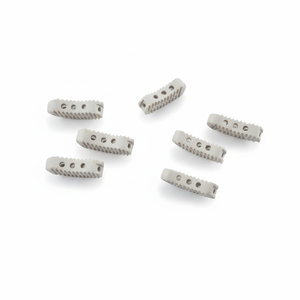
Footprint: 7x10x28mm / 8x10x28mm
Indication: Degenerative Disc Fixation
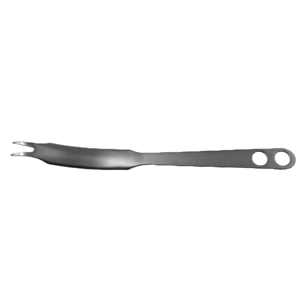
Features: Micro-serrated Non-slip Grip
Application: General & Orthopedic Surgery
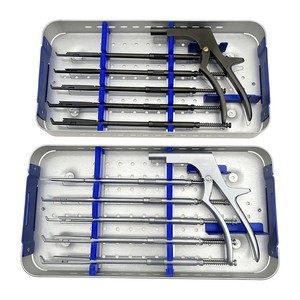
Bite Size: 1.0mm to 5.0mm Options
Surface: Matte Anti-glare Finish
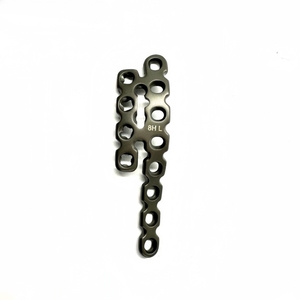
Hole Count: 6 / 8 / 10 Holes
Profile: Pre-contoured Anatomical Fit
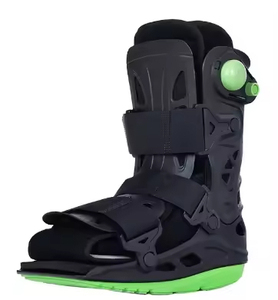
Features: Pneumatic Air Cell System
Indication: Post-operative Immobilization
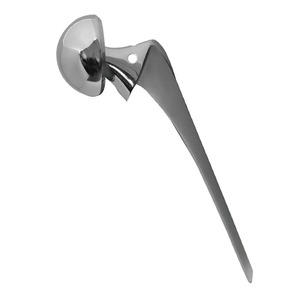
Head Diameters: 38mm to 54mm
Type: Press-fit Cementless / Cemented
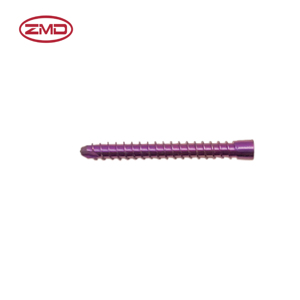
Drive Recess: Star T15 Cruciform
Material: ISO 5832-3 Titanium TC4
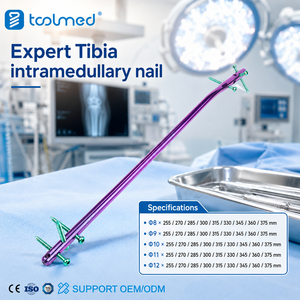
Diameter: Ø8mm - Ø11mm Cannulated
Length: 255mm to 375mm Range
China Top White Label Orthopedic Instruments Manufacturer & Factories: Strategic OEM/ODM Sourcing Whitepaper
The global orthopedic medical device market is experiencing a profound structural transition. International medical device brands, hospital group purchasing organizations (GPOs), and regional distributors are increasingly re-evaluating their supply chain architectures. Sourcing strategies have shifted from commoditized spot purchasing toward strategic white-label partnerships with high-tier Chinese manufacturers. As clinical demands for trauma, spine, sports medicine, and joint replacement solutions increase alongside stringent healthcare cost-containment mandates, Chinese contract manufacturing ecosystems have evolved to deliver world-class precision machining, rigorous metallurgical integrity, and comprehensive regulatory compliance packages (FDA 510(k), CE MDR 2017/745, and ISO 13485:2016).
This whitepaper provides procurement directors, biomedical engineers, and brand executives with an in-depth operational framework for evaluating China’s leading white-label orthopedic instrument manufacturers and OEM factories. By detailing manufacturing tolerances, material metallurgy, surface engineering, and quality management protocols, this report establishes clear benchmarks for risk mitigation, product reliability, and market approval execution.
1. Precision Engineering Benchmarks & Advanced Machining Capabilities
White-label contract manufacturing of surgical instruments and implantable devices requires tight dimensional tolerances and repeat consistency. Leading Chinese orthopedic factories utilize top-tier multi-axis computer numerical control (CNC) equipment, including Swiss-type automatic lathes (e.g., Citizen, Star), 5-axis high-speed machining centers (e.g., DMG Mori, Hermle), and wire-cut electrical discharge machining (EDM) units.
- Micro-Tolerance Precision: Structural features of pedicle screws, intramedullary locking nails, and acetabular reamers are held within sub-micron tolerances, maintaining critical dimensions to within
±0.005 mm. - Surface Roughness & Friction Coefficients: Dynamic sliding surfaces—such as the articulating interfaces of total hip prosthesis heads or Kerrison Rongeur ejector channels—undergo automated polishing and lapping to achieve surface roughness values below
Ra 0.05 µm, minimizing friction, debris generation, and wear-induced osteolysis. - Complex Geometries & Ergonomic Instruments: Surgical instruments like bone rasps, tissue forceps, retractors, and rotating rongeurs demand complex ergonomic contours. Multi-axis CNC milling enables the single-pass production of complex handles and anti-glare knurled finishes, ensuring surgical control and reduced fatigue during extended operative procedures.
ISO 13485 Quality Management
Fully audit-ready quality systems governing raw material quarantine, in-process SPC monitoring, cleanroom assembly, and 100% optical comparator inspection.
Medical Metallurgy Traceability
Direct sourcing of mill-certified titanium alloys (Ti-6Al-4V ELI per ASTM F136), implant-grade PEEK (Invibio Optima), and German medical-grade stainless steels.
Turnkey OEM/ODM White-Label
Complete OEM service ranging from drawing validation, rapid prototype casting/machining, laser branding, custom tray design to sterile blister packaging.
2. Material Science and Metallurgical Specifications in Orthopedic Manufacturing
In implant manufacturing, material selection dictates mechanical yield strength, fatigue endurance, and long-term biological performance. Leading Chinese white-label suppliers enforce rigorous material standard verification, supplying Mill Test Certificates (MTC) alongside chemical analysis and mechanical testing for every heat batch.
| Material Type | Standard Specification | Tensile Strength (MPa) | Primary Orthopedic Application |
|---|---|---|---|
| Ti-6Al-4V ELI (Grade 23) | ASTM F136 / ISO 5832-3 | ≥ 860 MPa | Trauma Plates, Locking Screws, Intramedullary Nails |
| PEEK Optima (Polyetheretherketone) | ASTM F2026 | 90 – 100 MPa | TLIF / PLIF / Cervical Interbody Fusion Cages |
| CoCrMo Alloy (Cast/Wrought) | ASTM F75 / ASTM F1537 | ≥ 665 MPa | Bipolar & Total Hip Femoral Heads, Knee Components |
| Stainless Steel 316L / 630 | ASTM F138 / ASTM F899 | 600 – 1100 MPa | Surgical Instruments, Tissue Forceps, Rongeurs, Trays |
For load-bearing spinal implants, such as the TLIF PEEK Lumbar Interbody Fusion Cages, radiolucency combined with an elastic modulus closely matching human cancellous bone (~3.6 GPa) minimizes stress shielding. Embedded radiopaque Tantalum or Titanium markers (per ASTM F560) allow accurate intraoperative visualization under fluoroscopy.
3. Global Orthopedic Procurement Trends & Sourcing Whitepaper Analysis
The global contract manufacturing landscape for medical devices is accelerating due to key technological and economic factors:
- Consolidation of Supply Chain Partners: Hospital networks and multi-national medical brands are consolidating vendors. Rather than managing fragmented contracts for machining, surface treatment, laser marking, and packaging, buyers prefer single-source OEM factories capable of delivering sterile, market-ready packaged devices.
- Sterile Ready-to-Use Implants (Co-60 Gamma Irradiation): Traditional unsterilized implant delivery requires costly hospital sterilization reprocessing. Leading factories now integrate Class 100,000 (ISO Class 7) cleanroom packaging lines offering double-blister Tyvek packaging pre-sterilized via Cobalt-60 Gamma Radiation achieving a Sterility Assurance Level (SAL) of
10-6. - Regulatory Technical Documentation (DHF & DMR): Under the EU MDR 2017/745, device distributors must maintain comprehensive Device Master Records (DMR) and Design History Files (DHF). Top-tier Chinese manufacturers provide complete technical documentation packages, including biocompatibility test reports (ISO 10993), mechanical fatigue testing (ASTM F1717 for spine, ISO 14801 for dental/screws), and shelf-life aging studies.
4. Future Development Trends in Surgical Instrumentation & Implant Design
As surgical techniques advance toward Minimally Invasive Surgery (MIS) and Unilateral Biportal Endoscopy (UBE), orthopedic instrument design is rapidly evolving. Key future development trajectories include:
- Ergonomic & Modular Tooling Systems: Next-generation surgical instrument sets incorporate quick-connect modular handles, siliconized tactile grips, and anti-glare black PVD (Physical Vapor Deposition) coatings to enhance longevity, corrosion resistance, and surgical feedback.
- 3-D Printed Porous Titanium Coatings: Direct metal laser sintering (DMLS) titanium coatings are replacing traditional plasma spraying on hip acetabular cups and spinal interbody implants, promoting rapid osteointegration through interconnected micro-pore structures (pore sizes ranging between 300–500 µm).
- Sub-micron Anodizing Color-Coding: Type II and Type III hard anodization on titanium screws and plates provides instant visual identification of screw diameters and plate types in the operating theatre, streamlining surgical workflow and reducing error rates.
Frequently Asked Sourcing & Technical Questions
Direct technical guidance for OEM/ODM contract buyers, procurement executives, and medical device brand owners.
Ready to Scale Your Orthopedic Product Portfolio?
Partner with China's premier ISO 13485 white-label contract manufacturer. Send your product specifications, CAD drawings, or RFQ details to consult directly with our senior engineering team.