Featured Orthopedic Systems & Implants
Direct-from-factory surgical implant sets, titanium fixation devices, and specialty trauma solutions manufactured under rigorous quality control standards.
Executive Whitepaper: Strategic Orthopedic Implants Sourcing from China
A detailed engineering and supply chain analysis for hospital procurement officers, medical device distributors, and OEM brand holders seeking high-precision surgical solutions.
Information Gain: The Paradigm Shift in Chinese Medical Manufacturing
Over the past decade, Chinese orthopedic manufacturing has evolved from basic contract machining into high-tech innovation hubs concentrated in industrial clusters like Jinhua, Changzhou, and Suzhou. Leading tier-1 manufacturers now operate multi-axis Swiss Tornos lathes, DMG MORI 5-axis machining centers, high-vacuum plasma spraying facilities, and Class 10,000 cleanrooms. This technological elevation enables direct production of high-complexity trauma, spine, and joint devices that strictly match or exceed Western OEM metallurgical and mechanical standards.
1. Metallurgical Excellence & Raw Material Traceability
The mechanical reliability of an orthopedic implant—whether a proximal femoral locking plate, an intramedullary interlocking nail, or a cervical pedicle screw—depends fundamental on raw material metallurgy. Premium Chinese orthopedic implant suppliers enforce 100% material heat-lot traceability, utilizing certified implant-grade alloys:
- Titanium Alloy Ti-6Al-4V ELI (Extra Low Interstitial): Standardized per ASTM F136 and ISO 5832-3. Offers exceptional fatigue strength (≥860 MPa yield strength), reduced modulus of elasticity (~110 GPa) to minimize stress shielding, and superior biocompatibility.
- Unalloyed Titanium (Commercially Pure Grade 2 & 4): Standardized per ASTM F67. Utilized extensively for maxillofacial micro-plates and osteotomy staples requiring superior cold ductility and anatomical contouring.
- Medical-Grade PEEK (Polyetheretherketone): Biocompatible polymer conforming to ASTM F2026. Provides an elastic modulus (~3.6 GPa) closely matching human cancellous bone, radiolucency for unimpeded radiographic fusion tracking, and zero artifacting on MRI/CT scans.
- Cobalt-Chromium-Molybdenum Alloy (CoCrMo): Standardized per ASTM F75 for joint replacement bearing surfaces requiring high hardness and wear resistance.
| Material Classification | Regulatory Standard | Tensile / Yield Strength | Elastic Modulus | Primary Surgical Applications |
|---|---|---|---|---|
| Ti-6Al-4V ELI Alloy | ASTM F136 / ISO 5832-3 | ≥ 860 MPa / ≥ 790 MPa | ~110 GPa | Trauma Locking Plates, Pedicle Screws, IM Nails |
| Pure Titanium (Grade 4) | ASTM F67 / ISO 5832-2 | ≥ 550 MPa / ≥ 480 MPa | ~105 GPa | Maxillofacial Micro Screws, Cranial Mesh |
| Medical PEEK OPTIMA | ASTM F2026 | ≥ 95 MPa / ≥ 90 MPa | ~3.6 GPa | TLIF/PLIF Cages, Cervical Interbody Cages |
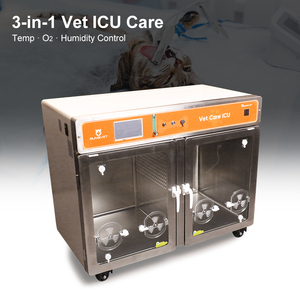
| 316L Stainless Steel | ASTM F138 / ISO 5832-1 | ≥ 860 MPa / ≥ 690 MPa | ~200 GPa | Temporary Fracture Fixation, Vet ICU Equipment |
2. Systemic Quality Assurance & Manufacturing Infrastructure
When sourcing orthopedic hardware globally, hospital procurement boards require absolute confidence in manufacturing batch consistency. A reputable supplier operates under an integrated ISO 13485 Quality Management System (QMS). In-factory validation processes include:
5-Axis CNC Precision
Micron-level machining tolerances (±0.005mm) ensuring flawless thread engagement between locking screws and plate hole threads, eliminating cross-threading risks during operation.
Biomechanical Fatigue Testing
In-house mechanical validation according to ASTM F1717 (Spinal Implant Constructs) and ASTM F382 (Metallic Bone Plates) running up to 5,000,000 dynamic cycles without structural failure.
Sterility Assurance (SAL 10⁻⁶)
Cleanroom packaging inside ISO Class 7 (Class 10,000) facilities paired with Cobalt-60 Gamma Irradiation producing ready-to-use sterile packaged implants.
Future Procurement Trends in Orthopedic Manufacturing (2025–2030)
Insights on technological shifts shaping global orthopedic device manufacturing and strategic bulk procurement.
1. 3D-Printed Trabecular Titanium
Direct Metal Laser Sintering (DMLS) is replacing traditional subtractive machining for interbody fusion cages and acetabular cups. 3D-printed porous titanium constructs emulate native human cancellous architecture (porosity 60%–80%, pore size 300–600 μm), accelerating osteoblast migration and direct bone ingrowth without requiring biological bone graft extenders.
2. Anodization & Advanced Surface Modification
Surface treatments have expanded beyond cosmetic color identification. Advanced Type II electro-chemical anodization creates a dense, non-reflective oxide layer that significantly increases fatigue resistance in high-stress trauma plates while dramatically reducing aluminum ion leaching. Hydroxyapatite (HA) plasma spraying is further shortening joint replacement recovery times.
3. Transition to Sterile Pre-Packaged Implants
Hospitals are aggressively phasing out bulk, non-sterile implant trays requiring costly intra-operative autoclave cycles. Sourcing ready-to-use, individually sealed gamma-sterilized implants (with dual UDI barcodes) minimizes hospital infection risks, slashes sterilization overhead, and streamlines hospital inventory control.
Product Category Taxonomy & Technical Breakdown
Exploring engineering specifications across core trauma, spinal, maxillofacial, and veterinary surgical lines.
A. Trauma Fixation & Intramedullary Nailing Systems
Trauma care demands versatile, anatomical implant geometries capable of rigid internal fixation. Core trauma offerings include:
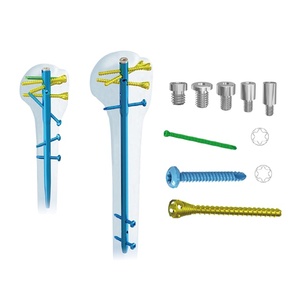
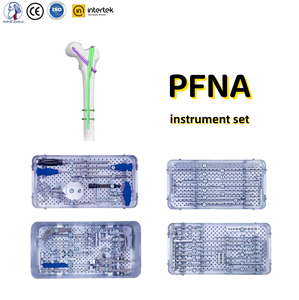
- Proximal Femoral Nail Antirotation (PFNA): Engineered for pertrochanteric fractures. Features a helical blade that compresses cancellous bone rather than removing it, offering superior cut-out resistance in osteoporotic bone.
- Femoral & Tibial Interlocking Intramedullary Nails: Multi-planar distal and proximal locking screw configurations allow static and dynamic compression modes for diaphyseal long bone fractures.
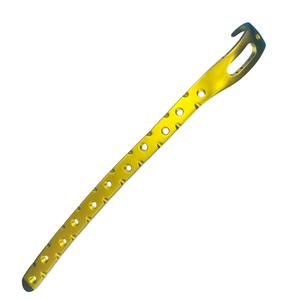
- Large & Small Fragment Locking Compression Plates (LCP): Combines dynamic compression unit (DCU) holes with threaded locking holes, giving surgeons absolute stability in metaphyseal comminuted fractures.
B. Spinal Fixation & Interbody Fusion Cages
Spinal surgical instruments require maximum mechanical reliability to maintain sagittal alignment and protect neurologic structures:
- Pedicle Screw Systems: Dual-thread design with polyaxial head mobility (±25° angle modulation), available in cannulated and fenestrated variants for bone cement augmentation in weak spinal columns.
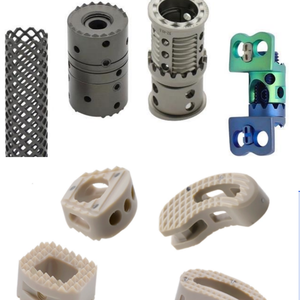
- PEEK & Titanium Interbody Cages (TLIF, PLIF, ALIF, OLIF): Anatomical lordotic angles with anti-migration teeth. Tantalum radiopaque markers allow accurate fluoroscopic intra-operative positioning.
- Expandable Mesh Cages: Continuous height adjustment capabilities allowing custom vertebral body reconstruction post-corpectomy.
Why Partner with Us for Global Sourcing
End-to-end medical device manufacturing capabilities customized for international OEMs and brand distributors.
Global Regulatory Registration Support
We provide comprehensive Technical Documentation Files (STED format), biocompatibility reports (ISO 10993), cleanroom validation files, and CE/FDA submission support to expedite your local registration.
Turnkey OEM / ODM Solutions
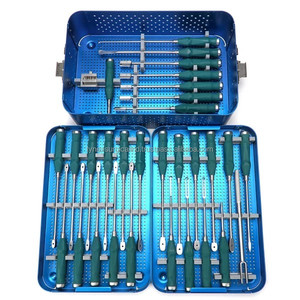
From CAD 3D modeling and custom rapid prototyping to laser etching, color anodizing, and customized surgical instrument tray design, we deliver complete turn-key solutions.
100% Quality Inspection
Every batch undergoes rigorous 3D Coordinate Measuring Machine (CMM) dimensional verification, optical thread checking, surface roughness analysis (Ra < 0.4 μm), and mechanical load testing.
Agile Global Logistics
Buffer stock management for core standard SKUs paired with temperature-monitored, shock-resistant sterile protective packaging ready for express global distribution.
Frequently Asked Questions (FAQ) for Global Procurement
Essential answers regarding certifications, material standards, minimum order quantities, and OEM workflows.
1. What quality management certifications and material standards apply to your orthopedic implants?
2. How do you support OEM/ODM private-label orthopedic projects for international distributors?
3. Can bone screws, plates, and spinal implants be supplied in sterile pre-packaged formats?
4. How do you ensure biomechanical stability and prevent stress shielding in spinal interbody cages?
5. What are the typical Minimum Order Quantities (MOQ) and lead times for custom orthopedic orders?
6. How can international buyers verify product quality before placing bulk volume contracts?
Accelerate Your Orthopedic Supply Chain Today
Request our complete 2025/2026 Orthopedic Implants & Surgical Instruments Master Catalog, CAD specs, and factory-direct pricing for your procurement team.
Get Catalog