Featured Medical Device & Surgical Implant Portfolio
Explore top-tier ISO 13485 certified surgical implants, craniomaxillofacial repair systems, spinal cages, trauma instruments, and customized OEM solutions engineered for global healthcare buyers.
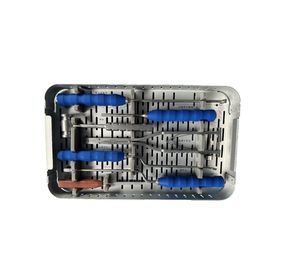
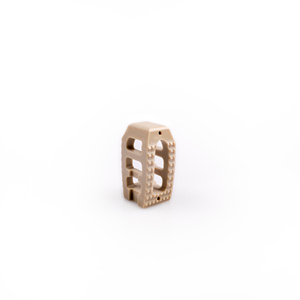
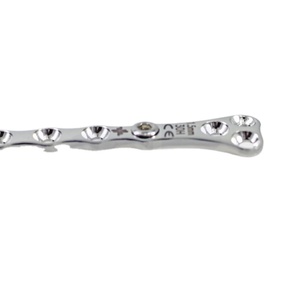
Certified Quality Management Standard
Micro-Stamping & Etching Tolerance
Medical Grade Titanium Compliance
Gamma Sterilization Assurance Level
Orbital Floor Reconstruction Engineering & Surgical Metallurgy
Orbital blowout fractures represent a complex challenge in craniomaxillofacial (CMF) trauma surgery. Reconstructing the thin orbital floor and medial wall requires surgical mesh implants that combine extreme structural integrity with micro-malleability. Leading China top orbital floor implant manufacturers have revolutionized this discipline by synthesizing advanced metallurgical processing, photochemical micro-etching, 3D anatomical molding, and biocompatible surface modifications.
Anatomical Pre-Contoured Mesh Design
Engineered based on multi-ethnic CT clinical databases, pre-formed orbital meshes precisely mirror the S-shaped curvature of the native orbital floor, significantly reducing intraoperative bending time and minimizing surgeon fatigue.
Photochemical Micro-Etching Technology
Utilizing ultra-precise photochemical etching, Chinese manufacturers produce smooth, burr-free pore boundaries. This eliminates sharp edges, protecting fragile periosteal tissues and soft intraorbital fat from tearing during insertion.
Type II Anodization & MAO Surface Treatment
Advanced Micro-Arc Oxidation (MAO) and Type II Electrochemical Anodization enhance wear resistance, eliminate fretting corrosion, and foster optimal osteoblast adhesion while preventing glare under surgical lamps.
Material Performance Benchmark: Titanium Mesh vs. PEEK vs. Bioabsorbable Polymers
Selecting the optimal implant material requires balancing mechanical yield strength, radiolucency, intraoperative adaptiveness, and long-term biological response. The quantitative matrix below details key physical properties according to ASTM standard testing protocols.
| Material Type | Governing ASTM Spec | Tensile Yield Strength | Modulus of Elasticity | CT/MRI Imaging Artifact | Intraoperative Adaptability |
|---|---|---|---|---|---|
| Commercially Pure Ti (Grade 2) | ASTM F67 | ≥ 275 MPa | 105 GPa | Low-Moderate | High (Manual Hand Bending) |
| Commercially Pure Ti (Grade 3) | ASTM F67 | ≥ 380 MPa | 105 GPa | Moderate | Moderate (Pre-Contoured Tooling) |
| Titanium Alloy (Ti-6Al-4V ELI) | ASTM F136 | ≥ 860 MPa | 110 GPa | Moderate-High | Low (Requires 3D Printing / PSI) |
| PEEK Polymer | ASTM F2026 | ≥ 95 MPa | 3.6 GPa | Zero Artifact (Radiolucent) | Requires Pre-operative CNC/PSI |
| PLLA / PGA Absorbable | ASTM F1925 | ≥ 60 MPa | 2.5 - 4.0 GPa | Zero Artifact | Thermo-Formable in Hot Water |
Global Procurement & Technological Future Trends (2025–2030)
As surgical oncology and trauma reconstruction advance toward patient-specific outcomes, China's CMF medical device ecosystem is shifting rapidly to integrate AI-driven DICOM segmentation, direct additive manufacturing, and automated quality verification systems.
1. AI-Driven DICOM to 3D PSI Manufacturing
Automated machine learning algorithms process patient CT scans to design custom Patient-Specific Implants (PSI) within hours. Selective Laser Melting (SLM) additive manufacturing enables direct fabrication of customized micro-porous orbital floors with zero manual bending required.
2. Surface-Biofunctionalized Hydroxyapatite Coatings
Next-generation titanium meshes feature sub-micron Hydroxyapatite (HA) nano-coatings combined with silver-ion antimicrobial vapor deposition. This dual-action coating drastically reduces post-operative bacterial colonisation while accelerating osteointegration along the infraorbital rim.
3. Hybrid Titanium-PEEK Composite Architecture
Combining the high tensile rigidity of ultra-thin titanium framework outlines with radiolucent PEEK central window inserts allows surgeons to verify posterior soft tissue decompression under intraoperative fluoroscopy while maintaining stable structural globe support.
Why Partner with China's Premier Orbital Implant Manufacturers?
Sourcing craniomaxillofacial implants requires strict adherence to global regulatory standards, uncompromised quality systems, and responsive supply chain logistics. Leading Chinese medical device manufacturers deliver unparalleled enterprise advantages to international distributors and hospital groups.
End-to-End Regulatory Dossier Support
Complete technical documentation packages in STED format, including ISO 10993 biological evaluation reports, ASTM F2077 mechanical fatigue data, and cleanroom validation, ensuring rapid local health authority registration (FDA 510k, CE MDR, ANVISA, NMPA).
ISO Class 7 Cleanroom & Gamma Packaging
Implants are processed through multi-stage ultrasonic washing, particulate testing, and sealed inside dual Tyvek blister pouches within ISO Class 7 cleanrooms, delivered fully sterile with standard 5-year validated shelf life via Co-60 Gamma Irradiation (SAL 10⁻⁶).
OEM / ODM & Private Label Customization
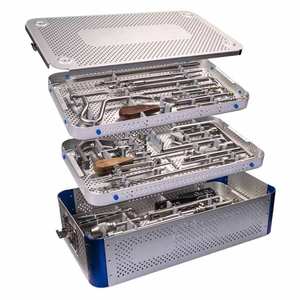
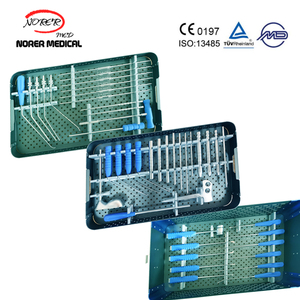
Full contract manufacturing capabilities, ranging from laser-marking custom brand logos and anodizing color-coded thickness indicators to developing customized titanium screw modules, custom tray layouts, and complete brand packaging solutions.
Orbital Floor Implant Sourcing & OEM FAQ
Answers to critical questions regarding engineering specifications, raw material origin, regulatory compliance, and international B2B contracting.