Featured Medical Devices & Surgical Implant Systems
Precision-Engineered Class II & Class III Orthopedic Implants and High-Performance Surgical Instrumentation for Global OEM/ODM Distribution
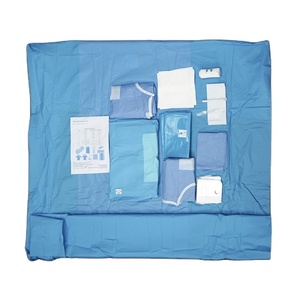
Disposable Orthopedic Sterile Kits / Surgical Packs / Implant Sets
Co-60 Gamma Sterilized (SAL 10-6), pre-packaged custom surgical kits designed for seamless operating room workflow efficiency.
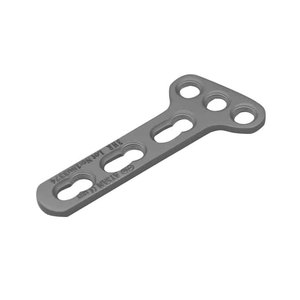
Veterinary Titanium Straight Compression LC-DCP TPLO Bone Plates
ASTM F136 Ti-6Al-4V ELI titanium alloy plates engineered for small animal and equine osteotomy and fracture fixation.
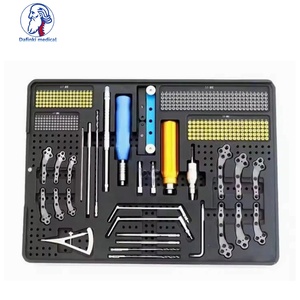
2.0 / 2.4 / 2.7 / 3.5mm Titanium TPLO Implant Set with AO Instruments
Safe and reliable pet surgical implants equipped with variable-angle locking screws and ultra-precise drill guides.
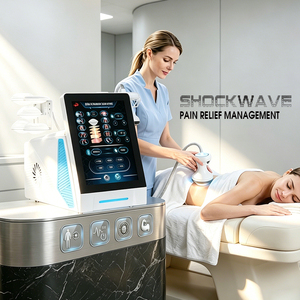
Medical Grade Focused ESWT Shockwave Machine 20Hz Frequency
Non-invasive extracorporeal shockwave therapy (ESWT) system for tendonitis, bone healing, and chronic orthopedic pain management.
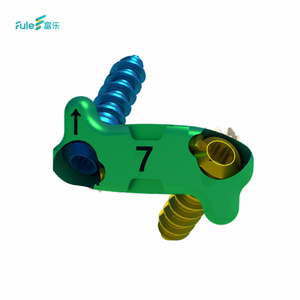
CE / ISO Certified Titanium & PEEK Anterior Interbody Fusion Cage
Biocompatible PEEK OPTIMA / Pure Titanium spinal cages featuring radiolucent markers and optimized tooth profiles for anterior fusion.
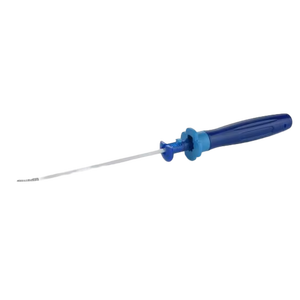
Meniscal Repair System With Fast-Fix Needle Interventional Implants
All-inside meniscus repair device pre-loaded with ultra-high-molecular-weight polyethylene (UHMWPE) non-absorbable sutures.
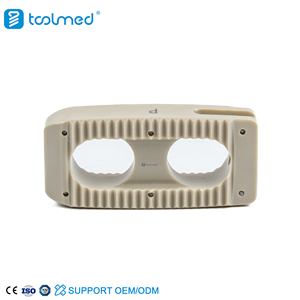
PEEK Oblique Lateral Lumbar Interbody Fusion (OLIF) Cage System
Minimally invasive lateral spinal fusion implants designed with anatomical lordotic angles and expansive graft windows.
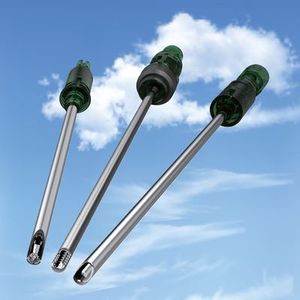
Manual Shaver Blades & Bone Cutter Blades for Arthroscopy OEM
High-grade stainless steel (316L / 440C) precision-ground shaver burs and saw blades compatible with major surgical power tool drives.
Enterprise Strengths & Precision Manufacturing Ecosystem
Vertical Integration from Raw Titanium Material Engineering to Finished ISO 13485 Certified Sterile Orthopedic Products
As a premier China contract manufacturing orthopedic implants manufacturer & factory, our production infrastructure operates under a stringent Quality Management System certified to ISO 13485:2016 and ISO 9001. We specialize in providing end-to-end OEM and ODM services for international medical device brand owners, orthopedic distributors, and hospital networks worldwide. Our state-of-the-art facility integrates advanced 5-axis DMG MORI and Swiss-type Citizen CNC machining centers, high-precision laser welding, fully automated titanium anodizing, and Class 10,000 (ISO Class 7) cleanroom packaging environments.
Advanced Metallurgical Science
We work exclusively with certified medical-grade raw materials conforming to strict ASTM and ISO standards, including ASTM F136 Ti-6Al-4V ELI (Extra Low Interstitial), ASTM F67 Unalloyed Titanium (Grades 2 & 4), PEEK-OPTIMA™ LT1, CoCrMo alloys (ASTM F75), and 316L/440C surgical stainless steel with complete chemical mill certs.
Full Regulatory Transfer Support
Navigating global compliance frameworks like EU MDR 2017/745, US FDA 510(k), and NMPA requires robust technical documentation. We supply complete Design History Files (DHF), Process Validation Protocols (IQ/OQ/PQ), and Risk Analysis per ISO 14971 to expedite customer market registrations.
Sub-Micron Quality Metrology
Our quality control laboratories are equipped with Zeiss 3D Coordinate Measuring Machines (CMM), optical video measuring systems, surface roughness testers, and dynamic fatigue testing rigs compliant with ASTM F2077, ASTM F1717, and ISO 7206 for long-term structural integrity.
Orthopedic Material Specification & Mechanical Performance Comparison
In-depth technical parameters of raw materials utilized in our contract manufacturing operations:
| Material Designation | Standard Specification | Tensile Strength (MPa) | Yield Strength (MPa) | Primary Clinical Application |
|---|---|---|---|---|
| Ti-6Al-4V ELI (Grade 23) | ASTM F136 / ISO 5832-3 | ≥ 860 MPa | ≥ 795 MPa | Pedicle Screws, Trauma Plates, TPLO Plates, Joint Stems |
| Commercially Pure Ti (Grade 4) | ASTM F67 / ISO 5832-2 | ≥ 550 MPa | ≥ 483 MPa | Maxillofacial Plates, Cranial Fixation, Soft Tissue Anchors |
| PEEK-OPTIMA™ Natural | ASTM F2026 | 95 - 100 MPa | 110 - 130 MPa (Flexural) | Interbody Fusion Cages (PLIF, TLIF, OLIF, ALIF), Suture Anchors |
| CoCrMo Casting Alloy | ASTM F75 / ISO 5832-4 | ≥ 665 MPa | ≥ 450 MPa | Femoral Condyles, Total Knee Arthroplasty (TKA) Components |
| UHMWPE (High Molecular) | ASTM F648 / ISO 5834-2 | ≥ 40 MPa | ≥ 21 MPa | Acetabular Liners, Tibial Inserts, Meniscal Fast-Fix Anchors |
Future Procurement Trends in Global Orthopedic Contract Manufacturing
Key Strategic Shifts Reshaping How Medical Device OEMs, Distributors, and Hospital Systems Source Implants
The global orthopedic implant market is undergoing a profound structural transformation. Supply chain leaders are shifting away from transactional vendor relationships toward strategic, vertically integrated contract manufacturing partnerships. Based on extensive market research and regulatory developments across the North American, European, and Asia-Pacific markets, several key procurement trends will dominate the industry over the next decade:
- Shift to Turnkey Gamma-Sterilized Single-Use Kits: Hospitals and Ambulatory Surgical Centers (ASCs) are increasingly demanding ready-to-use, pre-sterilized implant kits. This eliminates costly in-hospital autoclave processing, minimizes surgical site infection (SSI) risks, and guarantees full lot-to-patient traceability.
- Consolidation of Multi-Specialty Procurement: Procurement directors prefer contract manufacturers capable of delivering cross-specialty portfolios—spanning trauma plates, spinal pedicle screws, sports medicine anchors, endoscopic instrumentation, and custom surgical blades—under one unified quality agreement.
- Demand for Modular Design History Files (DHF): As MDR and FDA oversight tightens, buyers require contract manufacturers to supply comprehensive technical documentation packages that can be directly submitted to notified bodies, drastically cutting product launch lead times.
- Near-Zero Inventory via Agile Lean Manufacturing: Advanced contract factories in China utilize high-mix, low-volume (HMLV) flexible automation lines to offer low Minimum Order Quantities (MOQs) and rapid buffer stock replenishment for OEM partners.
Strategic Procurement Benchmark
Evaluating China Contract Manufacturing vs. In-House Manufacturing Costs for Medical Implants:
Information Gain Insight: The Ascendancy of Ambulatory Surgical Centers (ASCs)
The global surge in outpatient orthopedic procedures performed at ASCs has fundamentally redefined implant packaging expectations. ASCs lack the heavy sterilization infrastructure of traditional tertiary hospitals. Consequently, OEM contract manufacturers that provide validated sterile blister packaging with dual Tyvek barriers, micro-laser marked UDI (Unique Device Identification) barcoding, and integrated single-use instrumentation are capturing over 70% of new contract manufacturing contract tenders.
Future Technology & Manufacturing Development Trends
Next-Generation Engineering Innovations: Additive Manufacturing, Porous Surface Modifications, and Bio-Interactive Materials
3D Metal Printing & Trabecular Lattice Structures
Selective Laser Melting (SLM) and Electron Beam Melting (EBM) additive manufacturing now enable the mass production of implants with biomimetic porous titanium structures. These trabecular surfaces replicate natural cancellous bone morphology (50–70% porosity, 300–600µm pore size), drastically enhancing osteointegration and vascularization compared to traditional plasma spray coatings.
Biabsorbable Polymers & Magnesium Alloys
The orthopedic sector is rapidly transitioning toward bioactive absorbable materials for sports medicine anchors and pediatric craniomaxillofacial fixation. High-purity magnesium alloys and PLLA/PGA biocomposites gradually degrade in vivo, eluting harmless metabolites and eliminating the secondary implant removal surgeries required by permanent metallic hardware.
Robotic & UBE MIS Instrument Synergy
Unilateral Biportal Endoscopy (UBE) and robotic-assisted joint replacement demand ultra-tight manufacturing tolerances ($\pm 0.005\,\text{mm}$) and specialized non-reflective matte physical vapor deposition (PVD) surface coatings. Contract manufacturing factories are integrating automated optical CMM verification directly into CNC cell loops to guarantee sub-micron precision for endoscopic shavers, burrs, and robotic end-effectors.
Surface Engineering Innovations in China Contract Manufacturing
Surface modification plays a decisive role in implant longevity, osseointegration rate, and soft tissue response. Our contract manufacturing facility employs proprietary surface finishing technologies customized to specific anatomic applications:
Type II Anodization
Enhances fatigue strength of titanium alloys by up to 20% while providing a non-reflective, micro-smooth surface ideal for spinal pedicle screws and trauma locking plates.
Color Type III Anodizing
Biocompatible electrolytic color coding (Blue, Gold, Green, Magenta) facilitating intuitive intraoperative size identification for surgical scrub nurses.
Plasma Spray HA Coating
Vacuum Plasma Spray (VPS) Hydroxyapatite coating applied to hip joint stems to stimulate immediate osteoblast attachment and long-term biological fixation.
Frequently Asked Questions (FAQ) for Global Importers & OEM Buyers
Expert Guidance on Contract Manufacturing Capabilities, Material Standards, Regulatory Dossiers, and Quality Inspections
What raw material certifications and traceability documentation do you provide for custom orthopedic implants?
How does your factory support EU MDR 2017/745 and US FDA 510(k) regulatory submissions for OEM brands?
What cleanroom packaging and sterilization options are available for contract manufactured devices?
What is the typical lead time from prototype drawing (CAD) to full mass production?
How do you ensure zero-defect quality control during high-speed multi-axis CNC machining?
Can you manufacture custom private-label surgical instrument sets and anodized sterilization trays?
Partner with China's Premier Orthopedic Contract Manufacturer
Elevate your medical device portfolio with ISO 13485 certified precision engineering, raw material traceability, and rapid global supply chain fulfillment.
Contact Us