Featured Surgical Implants & Instrument Systems
ISO 13485 and CE-certified orthopedic, spine, neurosurgical, and sports medicine solutions engineered for high clinical efficiency.

HKJD Custom Fit Cervical Thoracic Brace with Occipital Fine Tuning & Jaw Adjustment
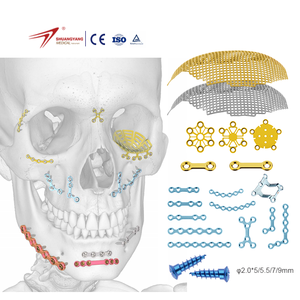
Shuangyang Medical Neurosurgery Maxillofacial System Cranial Implant Titanium Mesh Cranioplasty Skull Fixation Plating System
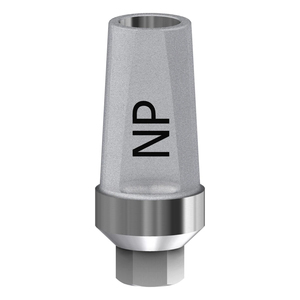
Titanium Dental Implant Abutments 0 Degree 15 Degree 25 Degree for Cemented Single and Bridge Prostheses
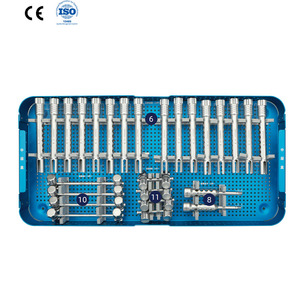
Stainless Steel Manual Posterior Internal Fixation System Pedicle Screw Instrument Set Titanium Lumbar Spine Orthopedic Implant
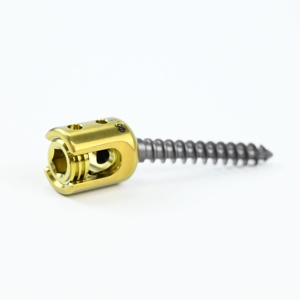
Factory Wholesale Orthopedic Surgical Neurosurgery Implants Spine Titanium Polyaxial Reduction Spine Screw
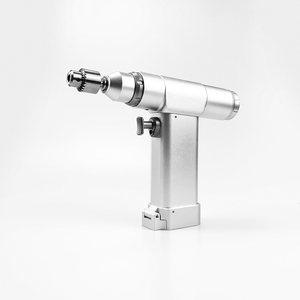
Professional Supplier Power Drill Tool Trauma Kit Multifunction Cannulated Bone Drill Orthopaedic Drill
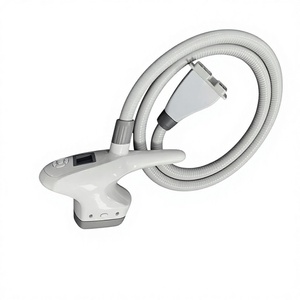
Vacuum Bipolar RF Head Replacement for Cavitation Machine Handle Body Slimming Machine Handpieces Replacement
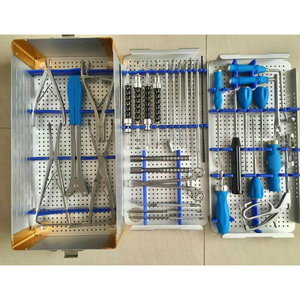
MayoMed Manual Spine Fixation Orthopedic Surgical Instrument Set CE Certified Class I ISO13485 Certified
State-of-the-Art Pilon Plating Systems: Clinical & Engineering Whitepaper
An authoritative analysis of anatomical distal tibia fixation, biomechanical optimization, advanced metallurgy, and global supply chain dynamics for healthcare procurement leaders.
1. Clinical Background & Biomechanical Imperatives in Distal Tibia Pilon Fractures
Distal tibia intra-articular fractures, clinically classified as Pilon (or Plafond) fractures (AO/OTA Type 43-A, B, and C), represent some of the most complex challenges in traumatology. Caused primarily by high-energy axial loading combined with rotational forces—such as motor vehicle accidents or falls from significant heights—pilon fractures involve extensive articular comminution, metaphyseal impaction, and severe soft-tissue compromise.
The primary objective of surgical intervention using anatomical pilon plates is the anatomic reduction of the joint surface, restoration of tibial axis and length, stable rigid internal fixation, and early mobilization without compromising fragile periosteal blood supply. Achieving these goals requires distal tibia plating systems engineered with precise contours, multi-planar angular stability, and low-profile design geometry to minimize soft-tissue dehiscence and hardware prominence.
2. Metallurgical Engineering & Surface Treatment Excellence
As a premier China pilon plate supplier and exporter, our manufacturing standard mandates the use of premium biocompatible alloys. Implant longevity and fatigue resistance directly correlate with raw material purity and grain structure.
- Titanium Alloy (Ti-6Al-4V ELI / ASTM F1472 / TC4): Offers exceptional tensile strength (≥930 MPa), superior fatigue life, and a modulus of elasticity closer to human cortical bone compared to stainless steel, significantly mitigating stress-shielding risks.
- Commercially Pure Titanium (TA2/TA3 / ASTM F67): Utilized for malleable anatomical plates where intraoperative contouring flexibilities are required while maintaining high biocompatibility.
- Type II Anodization & Micro-Arc Oxidation: Advanced electrochemical surface treatments form an oxide layer that enhances surface hardness, dramatically decreases fretting corrosion at screw-plate interfaces, and minimizes wear debris generation. Furthermore, anodized color-coding streamlines surgical execution by allowing instant identification of plate orientation and screw thread sizes.
Anatomical Pre-Contouring
Engineered from 3D CT radiographic databases of Asian and Western populations, reducing intraoperative plate bending by up to 85% and maintaining native vascularity.
Comb-Hole / Variable Locking
Dynamic compression capability combined with threaded locking holes allows polyaxial screw orientation (±15°) for precise subchondral articular block capture.
Sterility Assurance SAL 10-6
Cleanroom packaging complying with ISO Class 7 standards, validated under Cobalt-60 gamma ray sterilization for immediate, safe operating room deployment.
3. Technical Comparison of Distal Tibia Pilon Plating Approaches
Optimal clinical outcomes rely on selecting the correct anatomical plating configuration tailored to fracture morphology (Anterolateral, Medial, or Posterolateral involvement). Below is a comparative engineering overview:
| Plate Geometry Type | Anatomical Target | Typical Plate Profile Thickness | Locking Screw Diameters | Primary Clinical Indication |
|---|---|---|---|---|
| Anterolateral Distal Tibia Plate | Anterolateral Tibial Plafond & Chaput Fragment | 1.5 mm – 2.0 mm low profile | Ø2.7 mm / Ø3.5 mm polyaxial | AO/OTA 43-C2/C3 with anterolateral joint comminution |
| Medial Distal Tibia Locking Plate | Medial Malleolus & Metaphyseal Shaft | 2.0 mm – 3.0 mm tapered end | Ø3.5 mm / Ø4.0 mm locking & cortex | AO/OTA 43-A/B/C medial column stabilization & MIPO |
| Posterior / Posterolateral Distal Tibia Plate | Volkmann Triangle & Posterior Malleolus | 1.5 mm ultra low-profile buttress | Ø2.7 mm / Ø3.5 mm cortical & locking | High-energy Pilon with posterior articular fragment displacement |
| Anterior Distal Tibia Plate | Anterior Rim & Metaphyseal Impaction Zone | 2.0 mm anatomical contour | Ø2.7 mm / Ø3.5 mm locking | Anterior marginal impaction fractures requiring direct visualization |
4. Manufacturing Excellence, Quality Assurance & E-E-A-T Assurance
Orthi Medical Co., Ltd. operates state-of-the-art manufacturing infrastructure dedicated to surgical device production. By strictly enforcing an ISO 13485:2016 and ISO 9001:2015 compliant Quality Management System, every stage of our supply chain—from raw titanium bar stock inspection to final laser marking—is fully documented and traceable.
Our facility incorporates high-precision 5-axis DMG MORI CNC Swiss-type milling centers, automated optical measurement machines (CMM), and specialized surface passivation systems. Implants undergo rigorous mechanical verification including four-point static bending and dynamic fatigue endurance testing according to ASTM F382 specifications to prevent fatigue fracture under postoperative physiological loading.
Future Procurement & Technological Trends (2025–2030)
Key innovations reshaping the global orthopedic trauma procurement landscape for hospital networks, OEM brand owners, and medical importers.
1. Rise of Ready-to-Use Sterile Implants
Global hospitals are rapidly shifting from bulk non-sterile implant trays to individual, double-sterile blister packs sterilized via Co-60 irradiation (SAL 10-6). This eliminates hospital reprocessing costs, minimizes cross-contamination risk, and guarantees 100% lot traceability directly to the patient record.
2. Minimally Invasive Plate Osteosynthesis (MIPO)
Modern surgical techniques demand ultra-low-profile plates equipped with bevelled, tapered ends and radiolucent insertion handles. MIPO-compatible plates preserve perichondral blood supply, leading to significantly faster callus formation and reduced surgical wound complications.
3. OEM Customization & Private Labeling
Distributors require high responsiveness for custom drawing machining, specialized instrument tray layout, anodized color customization, and localized regulatory technical dossier preparation (STED formats for CE/FDA registration).
Frequently Asked Sourcing & Procurement Questions
Clear, authoritative insights to help healthcare buyers, distributors, and OEM partners make informed purchasing decisions.
What quality standards and certifications do your pilon plates and orthopedic implants possess?
Our manufacturing facilities operate strictly under ISO 13485:2016 and ISO 9001:2015 quality management standards. Applicable implant lines carry CE marking. Raw materials adhere strictly to ASTM F136 / ASTM F1472 (Ti-6Al-4V ELI) and ASTM F67 (pure titanium), accompanied by complete mill test certificates and batch traceability reports.
Do you offer OEM and contract manufacturing services for custom plate designs?
Yes. We provide end-to-end OEM/ODM solutions including 3D CAD drawing interpretation, rapid CNC prototyping, customized laser etching, color anodizing, custom instrument tray design, and complete technical documentation to support your regional medical device registration.
Are implants available pre-sterilized for immediate hospital use?
Absolutely. We supply bone plates, trauma screws, intramedullary nails, and spinal components in sterile double-blister packaging subjected to Cobalt-60 gamma ray sterilization achieving a validated Sterility Assurance Level (SAL) of 10-6.
What is your typical production lead time and minimum order quantity (MOQ)?
Standard catalog items carry flexible MOQs to support initial market evaluation. Stock items ship within 7–14 days, while custom OEM manufacturing runs typically range from 30 to 45 days depending on tooling complexity and surface treatment specifications.
How does your technical team support surgeon training and product launches?
We assist global partners by providing comprehensive surgical technique guides (STGs), animated surgical workflow videos, product demonstration sawbone kits, and hands-on clinical workshop support for medical conventions and academic conferences.
Partner with China's Premier Pilon Plate Supplier & Exporter
Whether you require full-line trauma distribution, OEM private label manufacturing, or bulk sterile implant fulfillment, our engineering team is ready to deliver world-class medical devices tailored to your market specifications.