Precision-Engineered Orthopedic Trauma & Surgical Devices
Manufactured under rigorous ISO 13485 and CE standards utilizing medical-grade titanium (ASTM F136 / ASTM F67) and PEEK Optima materials with ±0.005mm sub-micron tolerances.
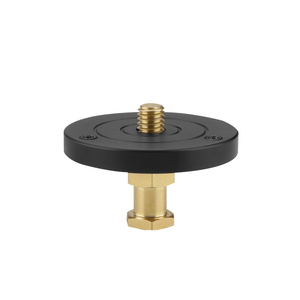
E-IMAGE APM-06 Survey Top Plate Camera Mounting Adapter (5/8 Stud)
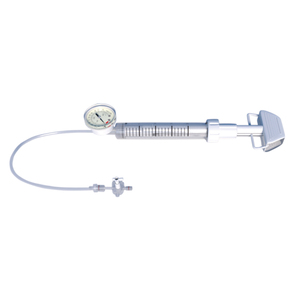
Professional Implantable Kyphoplasty / Vertebroplasty Needle Set
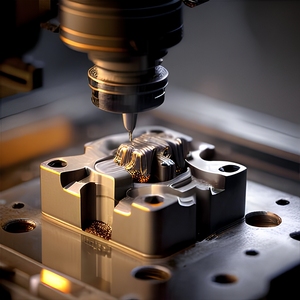
OEM Precision 5-Axis CNC Machining Titanium & Stainless Steel Bone Plates
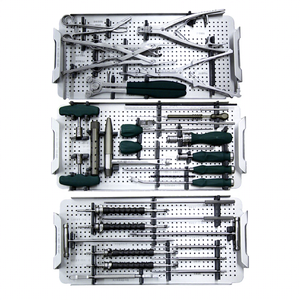
Titanium Alloy COXII Pedicle Screw-Rod 6.0 System (Low Profile)
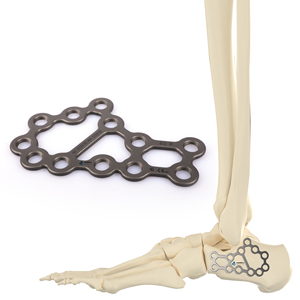
CANWELL Titanium Calcaneal Locking Plate for Heel Fracture Surgery
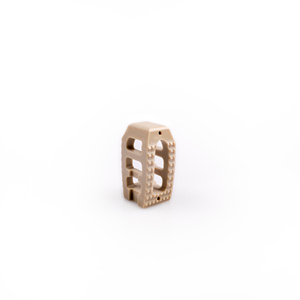
CANWELL Radiopaque PEEK Lumbar Cage (Posterior TLIF/PLIF System)
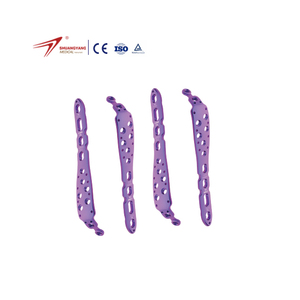
Multi-Axial Ulna Olecranon Locking Compression Titanium Plate
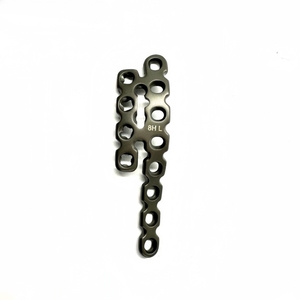
Custom Titanium Posterior Pelvis Reconstruction Plate System (6/8/10 Hole)
Engineering Excellence & Metallurgical Standards in China's Orthopedic Manufacturing
An in-depth analysis of raw material selection, sub-micron precision machining, biomechanical integrity, and global quality control protocols for medical device buyers.
The global demand for high-performance orthopedic trauma implants has undergone a transformative shift toward sub-micron precision, biomechanical compliance, and sterile ready-to-use delivery models. China’s leading orthopedic implant factories have evolved from high-volume contract manufacturers into sophisticated biomedical innovation hubs. Today, top-tier Chinese manufacturers operate state-of-the-art 5-axis CNC machining centers, Class 10,000 cleanrooms, and automated quality control frameworks that comply directly with European CE MDR (Medical Device Regulation 2017/745) and US FDA 510(k) requirements.
1. Metallurgical Integrity & Raw Material Science
The clinical success of fracture fixation plates, intramedullary nails, and spinal pedicle screws hinges on the physical properties of the underlying alloy. Premium Chinese orthopedic factories utilize strictly verified bio-compatible metals and polymers compliant with international ASTM and ISO standards:
| Material Standard | Composition / Grade | Tensile Strength (MPa) | Yield Strength (MPa) | Biomechanical Application |
|---|---|---|---|---|
| ASTM F136 / ISO 5832-3 | Ti-6Al-4V ELI (Extra Low Interstitial) | ≥ 860 - 930 MPa | ≥ 795 MPa | Locking bone plates, pedicle screws, intramedullary nails, trauma pins |
| ASTM F67 / ISO 5832-2 | Unalloyed Titanium (Grade 2, 3, 4) | 480 - 680 MPa | 380 - 520 MPa | Cervical plates, malleable pelvic reconstruction plates, cranial grids |
| ASTM F2026 | PEEK Optima (Polyetheretherketone) | 95 - 105 MPa | N/A (Elasticity ~3.6 GPa) | TLIF/PLIF spinal interbody cages, suture anchors, radiolucent implants |
| ASTM F138 / ISO 5832-1 | 316L Stainless Steel (Medical Grade) | ≥ 860 MPa | ≥ 690 MPa | Economical trauma plates, K-wires, external fixation rods, drills |
By enforcing precise Young's Modulus matching, modern titanium implants approximate the elastic behavior of human cortical bone (~18 GPa). This balance minimizes stress shielding—a critical mechanical phenomenon where overly rigid implants absorb natural skeletal loading, leading to bone resorption and implant loosening over time.
2. Ultra-Tight Tolerance 5-Axis Machining Infrastructure
Manufacturing intricate polyaxial locking plate thread holes and micro-pitch cannulated screws requires extreme precision. Modern OEM/ODM facilities in China leverage high-speed Swiss-type CNC automatic lathes (such as Tsugami and Citizen) and 5-axis trunnion machining centers capable of maintaining continuous tolerances within ±0.005mm (5 microns).
Swiss Precision Machining
Continuous bar-fed Swiss CNC lathes produce self-tapping cannulated compression screws with micro-threads and smooth inner lumens without burr generation.
Surface Anodization Type II
Electrochemical surface treatment increases fatigue strength by 15-20%, eliminates metal-on-metal galling, and allows color-coded sizing recognition for surgical teams.
Dynamic Fatigue Validation
Implants undergo 5,000,000 cycles of mechanical fatigue testing per ASTM F382 (metallic bone plates) and ASTM F543 (bone screws) to ensure zero intraoperative failure.
Future Trends in Orthopedic Trauma Implant Sourcing
Key technological innovations and supply chain strategies driving global distributor competitiveness.
1. Shift Toward Ready-to-Use Gamma-Sterilized Packaging
Hospital operating rooms are rapidly transitioning away from non-sterile bulk implants that require on-site autoclave sterilization. Modern factories now provide pre-packaged, single-use sterile implants enclosed in dual-layer Tyvek blisters sterilized by Co-60 Gamma Irradiation achieving a Sterility Assurance Level (SAL) of 10⁻⁶. This eliminates hospital reprocessing costs, ensures 100% sterility verification, and drastically minimizes perioperative infection risks.
2. 3D-Printed Porous Trabecular Titanium Implants
Additive manufacturing using Electron Beam Melting (EBM) and Direct Metal Laser Sintering (DMLS) allows factories to create complex cellular porous structures mimicking natural human cancellous bone. With controlled porosity between 60% and 70% and pore sizes ranging from 300 to 500 microns, 3D-printed trauma plates and spinal cages promote rapid osteointegration and vascular ingrowth, establishing biological fixation without relying solely on mechanical clamping.
3. Variable-Angle Polyaxial Locking Systems
Fixed-angle locking compression plates (LCP) are giving way to advanced polyaxial (variable-angle) locking mechanisms. Surgeons can adjust screw insertion trajectories by up to ±15° from the central axis (30° cone) before locking the screw head into the plate thread. This flexibility allows precise targeting of specific bone fracture fragments while maintaining rigid angular stability in osteoporotic bone.
4. Consolidated Single-Source OEM/ODM Partnerships
Leading global healthcare brands are streamlining supply chains by partnering with single-source Chinese factories capable of delivering entire clinical lines—from lower-limb trauma locking plates and cannulated compression screws to thoracolumbar pedicle screw systems, PEEK interbody fusion cages, sports medicine suture anchors, and matched surgical instrument sets.
Why Leading Global Brands Choose China Orthopedic Trauma Suppliers
Rigorous quality controls, end-to-end traceability, and complete regulatory support for international distributors.
Sub-Micron Inspection
Every batch undergoes 100% critical dimension verification using automated Zeiss Coordinate Measuring Machines (CMM), optical comparators, and surface roughness testers to verify thread pitch accuracy.
Full Material Traceability
Complete lot traceability linking every finished implant back to the original raw titanium bar mill certificate, heat-treatment log, CNC machining batch number, and sterilization lot.
Registration Documentation
Full regulatory dossier assistance including CE MDR Class III technical files, ISO 13485 quality system certificates, biomechanical test reports, and FDA 510(k) submission documentation.
From custom drawing review and rapid prototyping (within 7–10 days) to mass production, laser marking with Unique Device Identification (UDI) barcodes, custom anodized color schemes, and custom aluminum instrument trays, top Chinese suppliers provide seamless private-label integration for medical device companies worldwide.
Frequently Asked Questions for Sourcing Orthopedic Trauma Implants
Essential guidance for hospital procurement managers, OEM buyers, and medical device distributors.
What specific raw material standards apply to titanium orthopedic trauma implants? +
How do top Chinese factories ensure ultra-tight machining tolerances for locking plate threads? +
What sterilization validation is required for pre-packaged sterile trauma implants? +
Can Chinese suppliers support OEM private label branding and regulatory registration? +
What mechanical dynamic fatigue testing is performed on bone plates and screws? +
What are the standard lead times and MOQs for OEM orthopedic implant orders? +
Partner with a Certified Orthopedic Implant Manufacturer
Accelerate your market expansion with ISO 13485 & CE certified trauma implants, custom 5-axis CNC machining, and sterile pre-packaged solutions tailored for global distributors.
Contact Us