Featured Orthopedic Implants & Instrument Sets
Explore our ISO 13485 & CE certified medical devices engineered for trauma, spine, joint, and minimally invasive bone surgery.
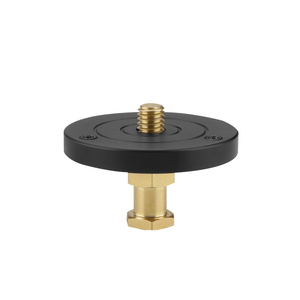
E-IMAGE APM-06 Survey Top Plate for Camera Tripod Mounting Adapter with 5/8 Stud
Send an Inquiry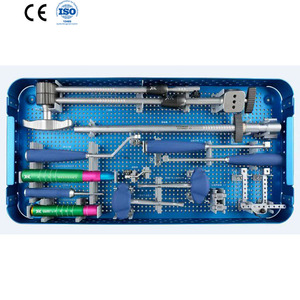
Minimally Invasive Lumbar Channel Instrument Set Anterior Cervical Intervertebral Fusion Cage System Medical for Bone Surgery
Send an Inquiry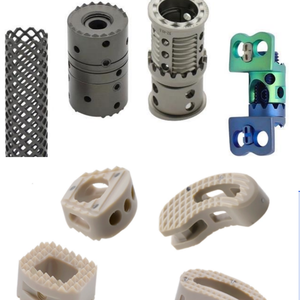
Spine Expandable Titanium Mesh Cage Alif TPAL PLIF OLIF TLIF Peek Cage
Send an Inquiry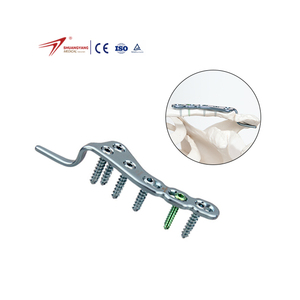
China Manufacturer Implant Orthopedic Implant Plates Distal Lcp Clavicle Hook Plate Price for Titanium Clavicle Locking Plate
Send an Inquiry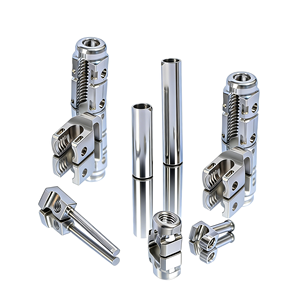
Titanium Spinal Pedicle Screw Rod System Orthopedic Spine Fixation Implant
Send an Inquiry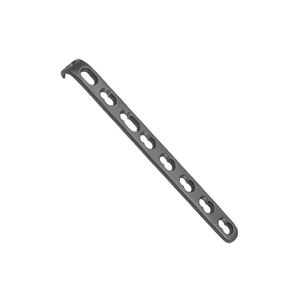
Orthopedic Implant Medial Ulna Olecranon Locking Plate Class III Surgical Intervention Hengchee/OEM/ODM Model 1227
Send an Inquiry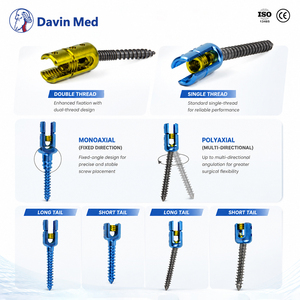
DavinMed Titanium Spinal Implant Orthopedic Surgical Spine Monoaxial Pedicle Screw System CE ISO Certified Sterile Packaging 1
Send an Inquiry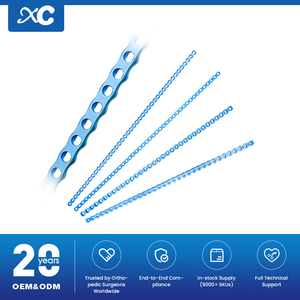
Small Animal Vet Surgery Mini Locking Plate System (2.4mm ALPS) Veterinary Surgical Instruments Kit Orthopedic Set
Send an InquiryBiomechanical Engineering & Engineering Integrity of Dynamic Hip Compression Screws
An authoritative evaluation of load-bearing dynamics, controlled collapse mechanics, and metallurgical standards in trochanteric fracture fixation.
Dynamic Sliding Mechanics & Tip-Apex Distance (TAD)
The Dynamic Hip Screw (DHS) system represents the gold standard for extracapsular intertrochanteric hip fractures. Its core mechanics rely on controlled sliding collapse along the axis of the femoral neck, facilitating impaction of fracture fragments during early weight-bearing. Premium manufacturing from China factories emphasizes strict tolerances on the internal keyway-barrel coupling to prevent lag screw jamming, micro-galling, or premature mechanical failure.
Metallurgical Specifications & Alloy Selection
To withstand repetitive cyclical loading exceeding 3x human body weight, top China hip compression screw manufacturers utilize certified High-Strength Titanium Alloy (Ti-6Al-4V ELI per ASTM F136 / ASTM F1472) and Vacuum Melted Stainless Steel (316LVM per ASTM F138). These materials deliver superior fatigue endurance limits, modulus of elasticity close to cortical bone, and exemplary biocompatibility.
Technical Comparison: Dynamic Hip Screw (DHS) vs. Intramedullary Nails (PFNA)
Procurement teams evaluating orthopedic implants must align surgical indication with implant mechanics. The table below outlines key engineering metrics across primary hip trauma fixation systems produced by leading Chinese OEM manufacturers.
| Implant Fixation System | Primary Surgical Indication | Load Distribution Type | Material Standard | Fatigue Life Expectancy |
|---|---|---|---|---|
| Dynamic Hip Screw (DHS) | Stable Intertrochanteric Fractures (AO/OTA 31-A1) | Extramedullary Dynamic Load Transfer | Ti-6Al-4V ELI / 316LVM | > 10,000,000 Cycles (ASTM F382) |
| Dynamic Condylar Screw (DCS) | Distal Femoral Supracondylar Fractures | Extramedullary Rigid & Dynamic Fixation | Titanium Grade 5 (ASTM F1472) | > 8,500,000 Cycles |
| Cannulated Compression Screw Set | Intracapsular Femoral Neck Fractures | Parallel Multi-Screw Compression | Pure Titanium (ASTM F67) / TC4 | High Static Axial Compression |
| Trochanteric Fixation Nail (PFNA) | Unstable / Subtrochanteric Fractures (31-A2/A3) | Intramedullary Load Sharing | Ti-6Al-4V ELI (ASTM F136) | > 12,000,000 Cycles |
Future Procurement Trends for Hip Compression Screw Systems (2025–2030)
Key strategic insights for medical device buyers, hospital procurement boards, and orthopedic OEM brand owners worldwide.
1. Pre-Sterilized, Single-Use Ready-to-Operate Kits
Hospitals are rapidly transitioning away from bulk non-sterile implant trays toward individually packaged, gamma-sterilized (Co-60) implant kits. Pre-sterilized DHS lag screws and barrel plates eliminate hospital autoclave processing costs, lower post-operative infection risks, and simplify operating room inventory tracking.
2. Regulatory Harmonization & MDR Compliance
With the full implementation of EU MDR 2017/745 and tightening US FDA 510(k) auditing standards, global buyers demand Chinese manufacturers with comprehensive technical documentation, full material traceability (heat numbers), raw titanium mill certifications, and clinical evaluation reports (CER).
3. Hybrid Anti-Rotational & MIS Screw Engineering
Product design is evolving toward anti-rotational dynamic hip screws—incorporating integrated secondary stabilization pins or helical blades. Furthermore, minimally invasive surgery (MIS) instrumentation sets allow smaller incision lengths, reducing soft-tissue trauma and operative blood loss.
Developmental Timeline of Hip Fixation Technologies
Understanding the historical innovations that transformed hip fracture management from rigid early designs to modern dynamic smart implants.
1st Generation: Rigid Side Plate & Fixed Pin Designs (1950s–1970s)
Early trochanteric fracture treatment relied on rigid mono-block nail-plates (e.g., Jewett nails). These systems suffered from high cut-out rates and hardware breakage due to their inability to accommodate fracture line impaction during healing.
2nd Generation: Classic Dynamic Hip Screw (DHS) Introduction (1980s–2000s)
The revolutionary introduction of the telescoping dynamic lag screw allowed controlled axial sliding along a side-plate barrel. This significantly enhanced fracture union rates, reduced non-union complications, and established the foundational design manufactured globally today.
3rd Generation: Advanced Materials & Locking Barrel Systems (2010s–Present)
Modern Chinese medical device manufacturing introduced high-precision 5-axis CNC Swiss machining, color electrochemical anodization, locked side-plate screw holes, and cannulated lag screw designs for guided insertion over K-wires.
4th Generation: 3D Trabecular Surface Coatings & Smart Instrument Alignment
Next-generation OEM development focuses on porous 3D-printed titanium surface treatments at the plate-bone interface to optimize osseointegration, combined with carbon-fiber radiolucent drill guides for sub-millimeter positioning.
Why Source Hip Compression Screws from China’s Leading OEM Factory?
Combining advanced European CNC machining infrastructure, stringent ISO quality systems, and direct-factory price efficiency.
ISO 13485 & CE Quality Management System
Our facilities operate under certified ISO 13485:2016 and ISO 9001 quality frameworks. Every single lot of titanium bars (TA2, TA3, TC4 / Ti-6Al-4V) undergoes raw material chemical spectrum analysis and mechanical pull-testing before entering production line turning centers.
Precision CNC Swiss Machining Infrastructure
Equipped with imported multi-axis Swiss CNC turning centers (Citizen, Star) and 5-axis vertical machining centers, our automated production achieves thread pitch tolerances within ±0.005mm, guaranteeing friction-free lag screw telescoping inside the side-plate barrel.
Class 10,000 Cleanroom & Sterile Packaging
Implants are washed using ultrasonic multi-stage automated cleaning units and packaged inside ISO Class 7/8 cleanrooms. We provide Co-60 gamma-irradiated double-peel blister packaging achieving Sterility Assurance Level (SAL) 10⁻⁶, ready for immediate hospital deployment.
Frequently Asked Questions (FAQ) for OEM Buyers & Distributors
Detailed technical and commercial answers addressing common inquiries from global medical device procurement managers.
Partner with China's Leading Hip Compression Screw Manufacturer
Elevate your orthopedic portfolio with precision-engineered, ISO 13485-certified dynamic hip screws, trauma plates, and custom OEM surgical solutions.
Send an Inquiry