CE Certified Pedicle Screw Implants & Surgical Systems
High-precision spinal fixation systems manufactured under strict ISO 13485 guidelines using medical-grade Titanium Alloy (Ti-6Al-4V ELI / ASTM F1472 / ASTM F136).
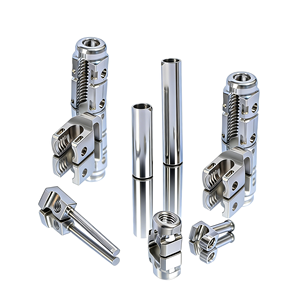
Titanium Spinal Pedicle Screw Rod System Orthopedic Spine Fixation Implant
Contact Us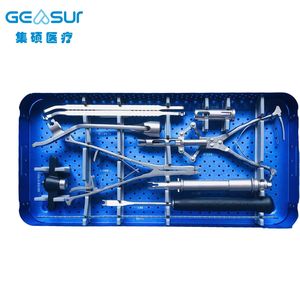
Geasure 5.5 Pedicle Screw for Spine Nail-Rod Instrument Sets
Contact Us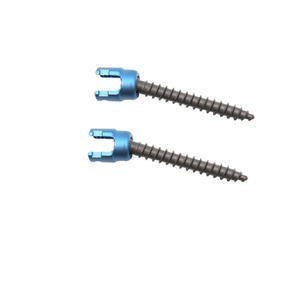
Geasure Orthopedic Material 6.0mm Polyaxial Spinal Pedicle Screw System
Contact Us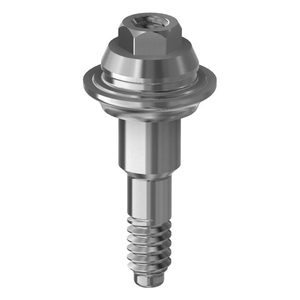
Orthopedic Pedicle Screw Titanium Internal Drive Connection System
Contact Us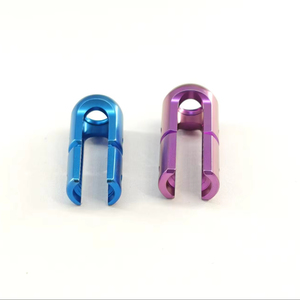
OEM Titanium Pedicle Screw Head U-Type Open Hook Fixation Implant
Contact Us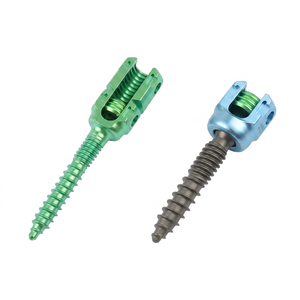
Thoracolumbar Posterior ValuFix5.5 Pedicle Screw Fixation System
Contact Us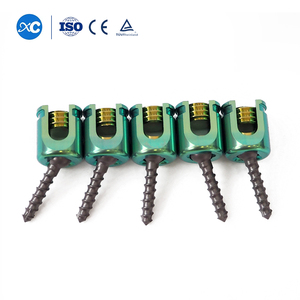
Veterinary Titanium Spinal Pedicle Screw System for Pet Spine Surgery
Contact Us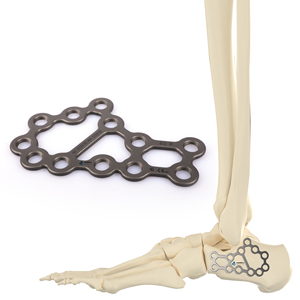
CANWELL Medical Calcaneal Locking Plate Titanium Fracture Implants
Contact UsRegulatory Compliance Framework: CE Marking Under EU MDR 2017/745 for Class III Spinal Implants
In the global orthopedic supply chain, procuring pedicle screw systems requires meticulous adherence to regulatory compliance. Under the European Union Medical Device Regulation (EU MDR 2017/745), pedicle screw systems and posterior thoracolumbar fixation constructs are categorized as Class III surgical implants. This designation demands the highest tier of clinical evidence, comprehensive risk management strategies in accordance with ISO 14971, and rigorous post-market clinical follow-up (PMCF).
Leading pedicle screw system factories and suppliers must maintain an unbroken Quality Management System (QMS) certified under ISO 13485:2016. This covers every operational phase—from raw titanium bar stock inspection to automated 5-axis CNC Swiss micro-machining, chemical surface treatment (anodization), and cleanroom packaging validation (ISO 11607).

Essential Regulatory Dossier Components for B2B Importers:
- CE Certificate of Conformity: Issued by an EU Notified Body under MDR 2017/745 Annex IX / X.
- ASTM F1717 Static & Dynamic Testing: Demonstrating minimum fatigue threshold of 5.0 million cycles without structural fracture under severe axial torsion and bending moments.
- Cleanroom Packaging Validation: Sterile barrier packaging verification ensuring Sterility Assurance Level (SAL) of 10⁻⁶ via Co-60 Gamma Irradiation.
- Traceability Dossiers: Unique Device Identification (UDI) compliance integrated onto every implant via direct laser etching.
Biomechanical Engineering & Mechanical Architecture of Pedicle Screw Systems
The biomechanical success of a posterior spinal fixation construct relies on the interaction between the pedicle screw thread profile, tulip head articulation mechanism, and longitudinal rod interface. Factories specializing in advanced spinal implants utilize sophisticated design engineering to optimize load sharing, reduce stress shielding, and minimize screw loosening or pull-out failures in compromised pedicular bone.
1. Dual-Lead vs. Single-Lead Thread Geometries
Modern pedicle screw systems feature differential dual-thread profiles. The proximal portion of the screw thread utilizes a shallow, dense thread pitch designed to maximize cortical bone engagement within the pedicle ring. Conversely, the distal portion features a deeper, wider pitch optimized for cancellous bone anchoring within the vertebral body. Dual-lead thread architecture cuts insertion time in half while significantly increasing initial insertion torque and ultimate pull-out resistance (measured in Newtons).
2. Polyaxial Head Mechanism & Angle Clearance
Polyaxial pedicle screws incorporate a internal spherical friction ring mechanism that allows up to 52 degrees of polyaxial articulation. This wide cone of motion facilitates smooth longitudinal rod seating without requiring extensive rod bending, reducing residual stress concentration on the rod-screw interface. The internal saddle design incorporates friction-fit technology to hold the desired screw angle during rod insertion, streamlining intraoperative maneuverability.
Pedicle Screw System Structural & Material Specifications
| System Specification | Standard Polyaxial System | Cannulated / Fenestrated System | Monoaxial / Deformity System |
|---|---|---|---|
| Primary Material | Ti-6Al-4V ELI (ASTM F136) | Ti-6Al-4V ELI (ASTM F136) | Ti-6Al-4V ELI / CoCr Alloy |
| Rod Compatibility | Ø 5.5 mm / Ø 6.0 mm Titanium | Ø 5.5 mm Titanium / PEEK | Ø 5.5 mm / Ø 6.0 mm Cobalt-Chrome |
| Indication | Degenerative Disc, Spondylolisthesis | MIS, Osteoporotic Bone Augmentation | Scoliosis, Complex Deformity |
| Drive Mechanism | Torx T20 / T25 Star Drive | Internal Hex / Torx Star Drive | Heavy-Duty External/Internal Torx |
| Friction Head Retention | Polyaxial split ring friction fit | Cannulated core split ring | Fixed rigid head (0° deflection) |
| Sterilization Option | Non-Sterile Trays / Gamma Sterile Pack | Gamma Sterilized Packaging (SAL 10⁻⁶) | Non-Sterile Trays / Gamma Sterile Pack |
3. Anti-Splay Buttress Thread Locking Set Screws
Set screw cross-threading and tulip splay are major intraoperative risks. Premium factories manufacture set screws with a reverse-angle buttress thread profile. By directing tightening forces inward rather than outward, the set screw pulls the tulip walls together, completely eliminating splay deformation under maximum tightening torque (typically 11.0 Nm to 12.0 Nm using calibrated torque limiters).

Future Procurement Trends for Pedicle Screw Systems (2025–2030)
Strategic analysis of global supply chain shifts, technology integration, and regulatory changes shaping orthopedic purchasing decisions.
1. Rapid Adoption of MIS & Robotic-Compatible Systems
Minimally Invasive Surgery (MISS) is shifting demand toward percutaneous cannulated pedicle screws with extended breakaway tabs. Procurement teams are heavily prioritizing suppliers who offer navigation-ready instruments compatible with optical and electromagnetic surgical robotic systems.
2. Cementable Fenestrated Screws for Aging Demographics
As the global population ages, osteoporosis-related spinal interventions are rising. Procurement managers are seeking factories capable of manufacturing fenestrated pedicle screws integrated with high-pressure PMMA bone cement injection systems for immediate polymethylmethacrylate stabilization.
3. Single-Use Gamma-Sterilized Pre-Packaged Kits
Hospitals are transitioning away from complex in-house autoclaving to cut sterilization costs and eliminate cross-contamination risk. Factories offering individual, gamma-irradiated sterile implants (SAL 10⁻⁶) with 5-year shelf-life stability hold a decisive procurement edge.
4. Modular OEM Contract Manufacturing & Private Labeling
Distributors are consolidating vendors by choosing OEM suppliers who can deliver customized color anodizing, brand-specific laser marking, custom surgical instrument tray design, and complete MDR/FDA regulatory dossier submission support.
Technological Innovations Shaping the Pedicle Screw Manufacturing Industry
The orthopedic manufacturing landscape is undergoing a technological transformation. To meet surgeon expectations for implant longevity and precise intraoperative handling, top-tier pedicle screw system factories are investing in state-of-the-art manufacturing infrastructure.
Additive 3D Printing & Porous Titanium Surfaces
Direct Metal Laser Sintering (DMLS) 3D printing enables the production of porous titanium pedicle screw shafts with trabecular-like micro-structures, encouraging accelerated osteointegration directly into the screw body.
Swiss 5-Axis CNC Precision Machining
Utilizing high-end Citizen and Star 5-axis CNC Swiss turning machines allows factories to achieve sub-micron dimensional tolerances (±0.005mm) on complex thread profiles and polyaxial tulip internal drive structures.
Advanced Physical Vapor Deposition (PVD) Coatings
Application of Titanium Nitride (TiN) or Diamond-Like Carbon (DLC) surface coatings enhances surface hardness, reduces wear debris generation, and optimizes friction coefficient within polyaxial articulation joints.
Enterprise Manufacturing Advantages & Infrastructure
Orthi Medical Co., Ltd. (Canwell Medical) delivers end-to-end manufacturing excellence for orthopedic distributors and OEM partners worldwide.
Full Portfolio Sourcing Under One Roof
Streamline your procurement by sourcing complete orthopedic product lines from a single certified factory: Spine pedicle screw systems, PEEK fusion cages, anterior cervical plates, trauma locking plates, intramedullary nails, sports medicine suture anchors, and UBE endoscopic instruments.
Medical-Grade Traceable Raw Materials
Every lot of titanium alloy bar stock (Ti-6Al-4V ELI / ASTM F1472 / ASTM F136), pure titanium (ASTM F67), and PEEK polymer is sourced strictly from certified international suppliers accompanied by complete chemical composition and mechanical stress test certificates.
100,000-Class Cleanroom & Gamma Sterilization
In-house 100,000-class cleanroom facilities equipped with ultrasonic multi-stage cleaning systems and automated blister packaging machines. Products can be supplied in pre-packaged sterile kits validated to SAL 10⁻⁶ via Cobalt-60 irradiation.
Comprehensive OEM/ODM Engineering Support
We provide full-spectrum contract manufacturing services: 3D CAD design review, rapid CNC prototyping, custom laser engraving, color anodizing (yellow, blue, green, magenta coding), specialized instrument tray development, and regulatory technical file preparation.

Certified Quality Infrastructure You Can Rely On
Quality assurance is embedded in every stage of our production matrix. Our factory utilizes Coordinate Measuring Machines (CMM), optical profile projectors, thread pitch micrometer verifiers, and automated torque testing rigs to guarantee 100% compliance with critical implant dimensions.
Pedicle Screw System Procurement FAQ
Answers to common questions from medical device distributors, procurement directors, and hospital supply chain managers.
Partner with a CE Certified Pedicle Screw System Factory
Expand your spinal device portfolio with high-precision, ISO 13485 certified implants and matching surgical instrument sets. Contact our engineering team today for pricing catalogs, technical files, and OEM samples.