CE & ISO 13485 Certified Orthopedic & Spinal Implants
Direct-from-factory orthopedic surgical kits, spine fixation systems, trauma locking plates, and OEM manufacturing solutions.
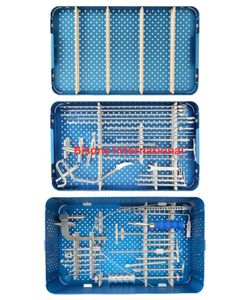
BISONS Stainless Steel Manual Distal Femoral Retrograde Nail & Short PFN Instrument Set CE Certified Class I Trauma Surgery Kit
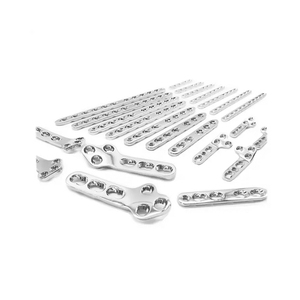
GooDoctor Professional Orthopedic Instrument Ankle Clavicle Hook 1.5mm Straight Locking Plate
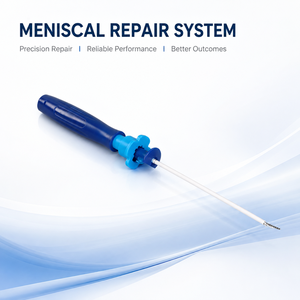
Meniscus Repair Needle Meniscal Repair System Surgical Suture All Inside Needle Repair Meniscus Total Inner Meniscal Stapler
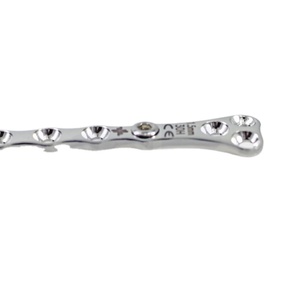
Orthopedic Equipment Veterinary Cuttable Animal Bone Reconstruction Plate Orthopedic Implants Wholesale Factory Direct
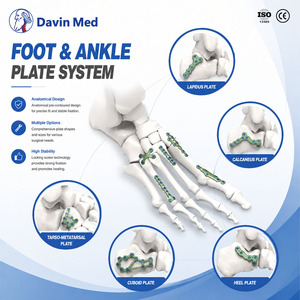
CE ISO13485 Orthopedic Trauma Implants 3.5mm Calcaneal Circumferential Locking Plate For Fracture Fixation
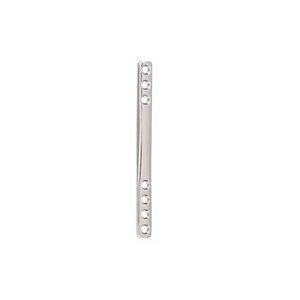
Competitive Price MEDICA Brand Orthopedic Implants Stainless Steel 2.0 Straight Hole Plate Type 4 Model AF00920 for Veterinary
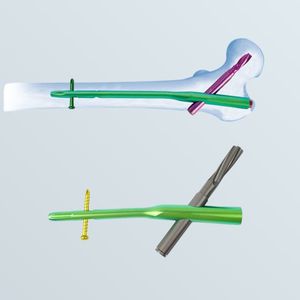
Premium Pfna Intramedullary Nail Wholesale Orthopedic Implant for Femur Intertrochanteric Bone Fracture
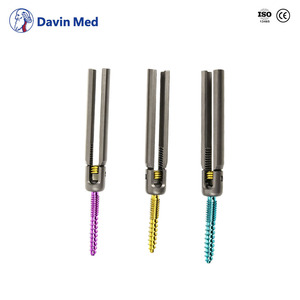
DavinMed CE ISO Certified MIS Pedicle Screw Cannulated Polyaxial Spinal Fixation System for Minimally Invasive Surgery
Biomechanical Precision of Monoaxial Pedicle Screws in Thoracolumbar Stabilization
In modern spine surgery, the selection between monoaxial, polyaxial, and polyplanar pedicle screws is governed by the structural requirements of the spinal segment, patient bone mineral density (BMD), and the precise mechanical goals of correction. Monoaxial pedicle screws—characterized by a rigid, single-axis head fixed perpendicular or at a predefined offset to the threaded shank—remain the gold standard for clinical indications requiring maximum rigidity and direct lever-arm force transmission.
Rigid Angular Stability
Unlike polyaxial designs where the spherical tulip interface introduces potential rotational micro-motion, monoaxial screws transfer 100% of translational and corrective forces directly from the rod to the vertebral body.
Deformity Correction
Essential for derotation in scoliosis and reduction of spondylolisthesis. The fixed tulip structure allows orthopedic surgeons to apply substantial derotational moments without risking tulip head slippage.
Enhanced Pull-Out Strength
Engineered with dual-core thread profiles (cortico-cancellous transition) compliant with ASTM F543 standards, ensuring optimized mechanical anchorage even in osteopenic bone architecture.
Metallurgical Excellence & Material Compliance
Leading ISO 13485 accredited manufacturers utilize ultra-high-grade medical alloys to guarantee fatigue resistance under dynamic cyclic loads (ASTM F1717 spinal construct testing). The primary biomaterials specified for CE-marked monoaxial pedicle screws include:
| Material Standard | Composition | Yield Strength (MPa) | Biocompatibility & Clinical Application |
|---|---|---|---|
| ASTM F1472 | Ti-6Al-4V (Grade 5 Titanium) | ≥ 860 MPa | High fatigue endurance; minimizes MRI/CT artifacting compared to stainless steel. |
| ASTM F136 | Ti-6Al-4V ELI (Extra Low Interstitial) | ≥ 795 MPa | Enhanced fracture toughness and ductility for long-segment posterior spinal fusion. |
| ASTM F67 | Pure Titanium (TA2 / TA3) | 400 – 500 MPa | Utilized in low-load specialized trauma bone plates and osteointegrative surfaces. |
| ASTM F138 | 316L Stainless Steel | ≥ 690 MPa | Cost-effective structural rigidity for pediatric deformity or specialized trauma kits. |
Manufacturing Rigor in CE-Certified Screw Production
Sourcing spinal pedicle screws from reliable OEM factories demands rigorous validation of manufacturing technologies. From raw bar stock to sterile packaged implants, world-class production facilities operate under strict cleanroom conditions (ISO Class 7) and automated 5-axis CNC machining centers.
Key Manufacturing Steps for Monoaxial Pedicle Screws
- Precision Machining: Swiss-type 5-axis CNC turning ensures tight dimensional tolerances within ±0.005mm for internal square thread or buttress locking threads, preventing set-screw cross-threading.
- Surface Modification & Anodizing: Type II micro-rough anodization enhances biocompatibility, color-codes screw diameters (e.g., 5.5mm yellow, 6.5mm green, 7.5mm blue), and eliminates surface residual oils.
- Cannulation & Fenestration (Optional): Deep-hole gun drilling creates cannulated shafts compatible with guide wires (0.09" / 1.4mm) and bone cement injection for augmented fixation in severe osteoporosis.
- Sterile Packaging & Gamma Irradiation: Implants undergo Co-60 gamma-ray sterilization achieving a Sterility Assurance Level (SAL) of 10-6, housed in dual peelable Tyvek double-blister packs.
Regulatory Transferability & Technical Documentation (STED)
Contract manufacturing partners supply complete technical dossiers (STED format), biocompatibility testing reports (ISO 10993), dynamic mechanical validation (ASTM F1717/F543), and clinical evaluation reports (CER) to accelerate local medical device registration (FDA 510k, CE MDR Annex IX, NMPA, SFDA).
Future Sourcing & Technological Trends in Spinal Fixation (2025–2030)
As global healthcare systems shift toward value-based procurement and outpatient Ambulatory Surgical Centers (ASCs), orthopedic device purchasing is undergoing rapid structural evolution.
1. Pre-Sterile Single-Pack Systems
Hospital operating rooms are abandoning non-sterile implant trays due to autoclave sterilization costs and cross-contamination risks. Demand for factory-sealed, sterile-packaged monoaxial and polyaxial pedicle screws is projected to grow at a CAGR of >11.2% through 2030.
2. Robotic & Navigation Alignment
Next-generation monoaxial screw heads feature specialized drive mechanisms (Hexalobe / T-Tap) optimized for robotic end-effectors and optical navigation arrays, enabling sub-millimeter trajectory placement during minimally invasive spine surgery (MISS).
3. Direct Contract Manufacturing
Global distributors and hospital networks are bypassing traditional multi-tier brand markups by partnering directly with OEM factories capable of private-labeling, custom laser etching, and tailored instrument tray design.
Strategic Sourcing Matrix for Medical Device Buyers
When selecting a CE-certified monoaxial pedicle screw manufacturer, procurement directors should evaluate vendors across four core operational pillars:
| Evaluation Pillar | Critical Benchmark | Risk Mitigation Strategy |
|---|---|---|
| Quality System | Full ISO 13485 certification + CE MDR audit compliance | Verify notified body accreditation numbers and unannounced audit histories. |
| Raw Material Traceability | 100% heat-lot traceability from mill certificate to final screw | Require raw material chemical & tensile test certificates for every batch. |
| Production Scalability | In-house CNC capacity (>50,000 screws/month) + rapid prototyping | Assess machine counts, CMM measuring stations, and cleanroom capacity. |
| Clinical & OEM Support | Matching instrument sets, surgical technique manuals & cadaver workshops | Ensure vendor provides surgeon training collateral and custom instrument manufacturing. |
Frequently Asked Questions (FAQ) for Procurement Managers
Essential technical and commercial guidance for purchasing monoaxial pedicle screw systems.
What makes monoaxial pedicle screws preferable over polyaxial screws in specific spine surgeries?
What certifications are required to import monoaxial pedicle screws into European and international markets?
What raw materials are utilized in manufacturing high-grade monoaxial screws?
Can bone screws be supplied in pre-sterilized packaging for direct hospital use?
What are the available dimensional specifications for monoaxial pedicle screws?
Do OEM factories support custom private labeling and surgical instrument tray customization?
How do manufacturers test the mechanical safety of pedicle screws?
Partner with a Certified Spinal Implant Manufacturer
Streamline your medical supply chain with direct factory pricing, CE/ISO 13485 certified quality, customized OEM solutions, and rapid global delivery.
Send an Inquiry