China’s aging population is making reliable orthopedic care increasingly important. The National Health Commission’s 2023 report counted 296.97 million people aged 60 or older, or 21.1% of the population. That demographic shift is relevant, but it does not prove that every market segment is growing at the same pace. The NMPA’s medical-device registration information offers a more practical starting point: check a manufacturer’s approved products and intended uses before comparing claims.
The field includes hip and knee joints, spinal systems, trauma plates, and fixation devices. Each category brings different design demands. A polished catalogue is not clinical evidence. Buyers and clinicians also need to consider material specifications, manufacturing consistency, traceability, surgeon training, and long-term follow-up. The China Medical Device Industry Association’s industry publications and official NMPA records can help frame that review, though they answer different questions.
Professor Tian Wei, a Chinese orthopedic surgeon, provides a useful clinical perspective through his work in orthopedic care. In paraphrase—not as a direct quotation—the essential point is that implant selection should fit the patient and the evidence, not brand visibility. That distinction matters. This overview of orthopedic implant manufacturers in China therefore looks beyond company rankings. It considers product focus, regulatory documentation, clinical use, and service capacity. Some comparisons remain imperfect: public data can be uneven, and a strong portfolio does not guarantee better outcomes. The following outline examines the leading manufacturers with those limits in view.
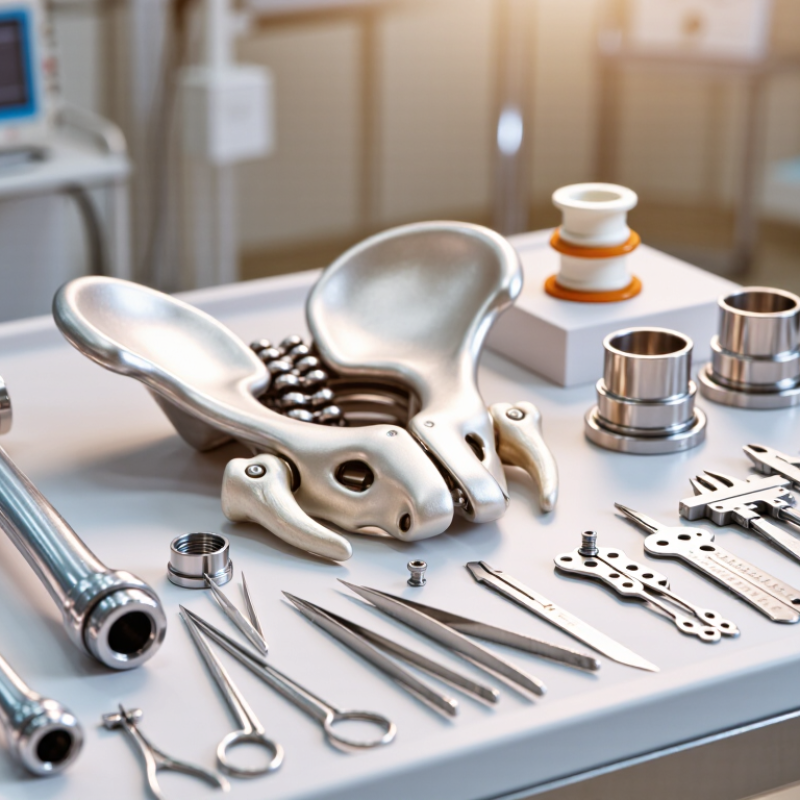
China’s orthopedic implant industry has expanded alongside hospital demand, domestic engineering capacity, and access to specialist care. Manufacturers make joint replacements, trauma fixation systems, spinal devices, and surgical instruments. The market is not one uniform field. A manufacturer’s standing depends on its product category, clinical evidence, production controls, and support after delivery. “Top” needs a clear measure, not a single ranking.
Implant development involves more than shaping metal or polymer. Teams must check material properties, dimensional accuracy, sterilization, packaging, and batch traceability. Surgeons also need instruments that suit operating-room routines, with reliable sizing and clear instructions. Small details matter. A rough edge, confusing label, or delayed replacement part can disrupt care. Clinical feedback can inform design, but it should be considered alongside controlled testing and documented outcomes.
When evaluating Chinese manufacturers, buyers can review quality-system certifications, product registrations, audit records, and published clinical data. They should confirm that evidence applies to the specific device and intended use. Ask about material sourcing, complaint handling, and long-term follow-up. Comparisons can be difficult when companies disclose different levels of information. That limitation deserves attention, not guesswork. Careful evaluation can help separate manufacturing scale from dependable clinical performance.
Share of China’s population aged 60 and over, 2020–2024
The growing older-adult population is an important demographic context for orthopedic care. This chart shows population age structure, not implant sales, market share, or manufacturer rankings.
Source: National Bureau of Statistics of China; population aged 60 and over as a share of the total population.
Assessing an orthopedic implant manufacturer takes more than comparing product catalogs. Check whether its quality system covers design changes, supplier controls, production records, and complaint handling. Ask for material specifications and test reports relevant to the implant, not just general certificates. For a knee component, for example, look for clear information about alloy composition, surface finish, dimensional tolerances, and fatigue testing. Details matter. A polished brochure can still leave important gaps.
Review evidence for the specific device and intended use. Clinical data, follow-up periods, and reported complications should be easy to understand and independently verifiable where possible. Confirm that sterilization methods and packaging controls are documented. Also check traceability: can each implant be linked to its production batch? Speak with clinical users about fit, instrumentation, and support after delivery. Their feedback is useful, but it is not a substitute for technical evidence. No checklist catches everything; I would revisit assumptions after reviewing actual records.
Tips: Request sample technical files, audit the production site when feasible, and compare documents against the exact model offered. Ask how the manufacturer investigates complaints and communicates corrective actions. If answers stay vague, pause and verify.
China’s orthopedic implant sector includes manufacturers producing joint replacements, trauma plates, screws, and spinal fixation systems. Their capabilities vary, so a high production volume alone does not show product quality. Buyers should examine material controls, machining consistency, sterilization processes, and documented quality checks. Details matter. A well-finished implant should have clear labeling, traceable production records, and surfaces inspected for defects.
Leading manufacturers tend to invest in engineering teams, testing equipment, and feedback from clinical users. For example, they may assess how a plate fits around a bone model or whether a screw remains secure under repeated mechanical loading. Ask how design changes are reviewed and how batches are tracked. These questions reveal more than a catalogue can. That is not enough. Independent testing and current regulatory documentation also deserve careful review.
A supplier’s reliability shows in routine work: stable dimensions, clean packaging, and prompt responses when specifications need clarification. Yet comparisons can be difficult because product categories and testing methods differ. One weakness in many evaluations is focusing too heavily on price or factory size. A careful assessment should match the implant type to the intended procedure and review evidence with qualified clinical and procurement professionals.
China’s orthopedic implant sector covers several distinct product groups. Trauma systems include plates, screws, and intramedullary nails for fracture fixation. Joint-replacement lines commonly include hip and knee components, while spinal systems use rods, screws, and cages. Each design serves different anatomy and loading conditions. Fit is critical.
Manufacturing capabilities can include precision machining, forging, casting, and, for some parts, additive manufacturing. Titanium alloys and medical-grade stainless steel are common materials, but material choice depends on the implant’s intended use. Surface finishing matters: roughness, edges, and coating consistency can affect performance. Small details count.
Reliable production also depends on more than equipment. Manufacturers need documented material traceability, controlled processes, dimensional inspection, and testing suited to each device. Clean handling and validated packaging are important where products are supplied sterile. Buyers should review technical files, quality records, and clinical evidence rather than rely on factory capacity alone. A modern machine shop is not proof of consistent outcomes. Public information can be incomplete, so comparisons deserve caution.
China’s orthopedic implant sector is shaped by regulation as much as by engineering. Medical devices must meet registration requirements, supported by technical documentation and evidence appropriate to their risk. Quality controls also matter beyond approval: manufacturing consistency, sterile packaging, and traceable components all affect patient safety.
Evidence matters. Clinical evaluation can be demanding, especially when a new implant design differs from established practice. China’s procurement environment also influences how products reach hospitals, placing pressure on cost, supply reliability, and clinical value. That can encourage efficiency, but low prices alone cannot show whether an implant suits a particular patient.
Innovation is visible in porous metal surfaces, additive manufacturing, and tools that help surgeons plan procedures. A precise screw interface or a well-designed instrument tray can make a real difference in the operating room. Yet a clever design is not automatically a better outcome. Surgeons need usable evidence, training, and dependable follow-up data. Adoption also varies between hospitals, and public information is not always easy to compare. The sector is moving quickly, but some claims deserve careful scrutiny.
Review design-change controls, supplier checks, production records, and complaint handling. Request device-specific material specifications and test reports. Details matter.
Check alloy composition, surface finish, dimensional tolerances, and fatigue-test results. Compare documents with the exact model offered.
Look for clear data, follow-up periods, and reported complications. Verify sources independently when possible. Evidence can still leave gaps.
Ask for documented sterilization and packaging controls. Confirm each implant can be linked to its production batch. Small detail, big consequence.
No. Ask users about fit, instruments, and support after delivery. Pair their feedback with technical evidence.
Devices require registration supported by technical documentation and evidence suited to their risk. Manufacturing consistency and sterile packaging remain important after approval.
No. Cost and supply reliability matter, but low prices alone cannot establish patient fit or clinical value. Not always.
Porous surfaces, additive manufacturing, and planning tools may help. Ask for usable evidence, training, and follow-up data. A clever design is not automatically a better outcome. I may trust polished records too quickly; a site check can challenge that assumption.
China’s orthopedic implant industry has grown through expanding clinical needs, stronger domestic manufacturing capabilities, and continued investment in research and development. This overview explains how to assess orthopedic implant manufacturers in China by considering product quality, technical expertise, manufacturing consistency, clinical support, and compliance with applicable regulatory requirements. These factors can help hospitals, distributors, and other stakeholders compare suppliers responsibly.
The article also surveys the range of implant types and capabilities found across the sector, including products for joint replacement, trauma care, and spinal procedures. It discusses how manufacturers develop materials and production processes to meet different clinical requirements, while noting the role of regulation, quality management, and innovation in shaping the industry. Together, these topics offer a practical introduction to China’s orthopedic implant landscape without relying on brand rankings or unsupported claims.