0%

Global buyers are entering a wider, more demanding orthopedic implant market. Grand View Research estimated the global market at approximately USD 47 billion in 2023. Fortune Business Insights reported a different figure, near USD 48 billion for 2024. The gap matters. Definitions, product categories, and regional coverage can change the result.

This article examines leading manufacturers through a buyer’s practical lens. Product quality is only one part of the decision. Buyers must also assess clinical evidence, regulatory registrations, surgeon training, supply reliability, revision support, and total ownership cost. A polished catalog cannot replace long-term performance data. That is where many purchasing discussions become less clear.

Sir John Charnley, a pioneer of modern joint replacement, stated, “The ideal operation for osteoarthritis of the hip is one which restores the patient to full function, without pain, and which lasts for the remainder of the patient’s life.” His principle still challenges every orthopedic implant company. A low purchase price may look attractive beside a hospital invoice, but poor sizing support or delayed components can create hidden costs.

The companies discussed here serve different regions and clinical priorities. Some lead in robotic assistance, while others focus on trauma systems, spinal devices, or durable joint platforms. No single supplier fits every hospital.

That is the uncomfortable part.

Market leadership is not the same as clinical suitability. Buyers should verify current approvals, peer-reviewed outcomes, distributor capability, and post-market safety records before contracting. These checks make the following comparison more useful, credible, and grounded in actual operating conditions.
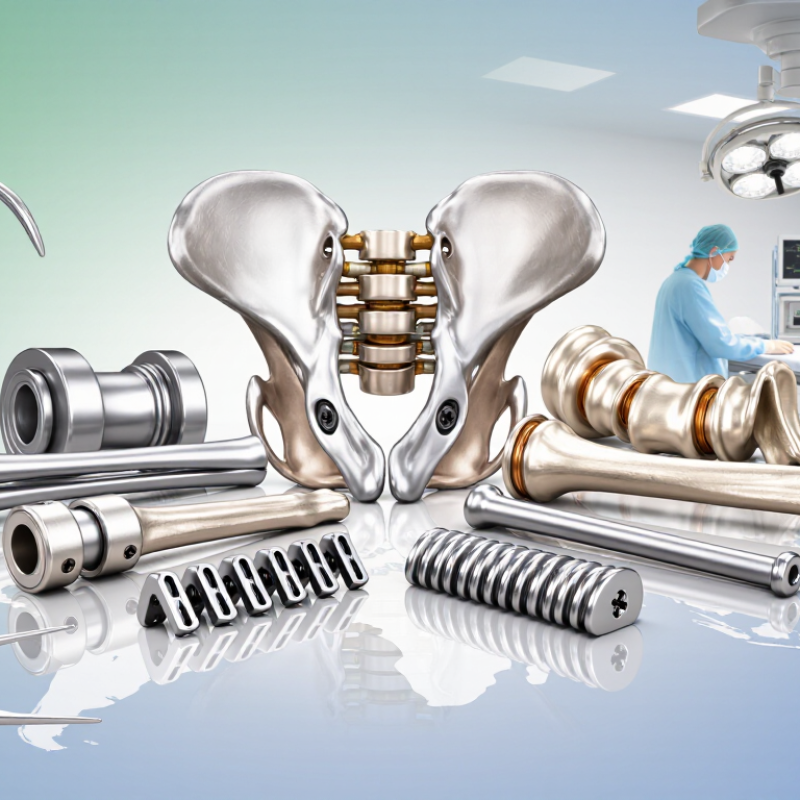
Top Orthopedic Implant Companies for Global Buyers

Orthopedic Implant Companies: Definition and Industry Scope

Orthopedic implant companies develop, manufacture, and support devices that restore movement, stabilize damaged bones, or replace worn joints. Their portfolios commonly include hip and knee systems, spinal devices, trauma plates, screws, and sports-medicine implants. Dental products usually sit outside this scope. The boundary is not always consistent. Think titanium plates, porous surfaces, and sterile trays in an operating room.

The global market is expanding, but published estimates differ. Fortune Business Insights valued the orthopedic implants market at approximately USD 47.15 billion in 2023 and projects continued growth through 2032. Grand View Research reports a different baseline and expects steady expansion through 2030. These differences reflect varied product definitions, currencies, and regional coverage. Buyers should compare methodologies before accepting a market figure as fact.

For global procurement teams, a qualified company must offer more than a catalog. Evidence includes regulatory certifications, validated sterilization, traceable materials, clinical data, and reliable delivery records. The International Organization for Standardization’s ISO 13485 framework remains a key reference for medical-device quality systems. Manufacturing audits should examine machining accuracy, packaging integrity, and complaint handling. Small details matter, especially when a shipment crosses several borders. Some companies also provide surgical training and instrument support, which can reduce operating-room delays. Yet service claims require verification through hospital references and documented performance. The uncomfortable point is simple: a lower unit price may hide training gaps, revision risks, or inconsistent inventory. Procurement decisions should remain clinical, technical, and evidence-based.

Top Orthopedic Implant Companies for Global Buyers — Definition and Industry Scope

Global musculoskeletal burden indicators relevant to orthopedic implant demand

Orthopedic implants include medical devices used to restore or support bones, joints, and the spine, including joint replacements, trauma fixation systems, and spinal devices. These global indicators show the scale of musculoskeletal conditions associated with orthopedic treatment demand. The figures use different reference years and are not additive.

Sources: World Health Organization, “Musculoskeletal health” and “Osteoarthritis”; Global Burden of Disease Study 2019; global low-back-pain estimates published in The Lancet.

Key Criteria for Evaluating Global Implant Manufacturers

Top Orthopedic Implant Companies for Global Buyers

Global buyers should evaluate implant manufacturers through evidence, not polished presentations. Start with clinical data, product specifications, and clearly documented intended use. A reliable manufacturer should explain material selection, design controls, and sterilization methods. Quality certifications matter, but certificates alone do not prove clinical performance. Review audit history, traceability systems, and procedures for handling product complaints. Ask whether the manufacturer monitors outcomes after market release. This often reveals more than a sales meeting.

Tips: Request sample technical files, inspection records, and independent test results. Compare documents carefully. Missing details deserve questions.

Manufacturing consistency is another key criterion. Visit the facility when practical, or arrange a qualified third-party audit. Observe machining controls, cleanliness, packaging, and final inspection procedures. Supply continuity also matters for global hospitals. Check production capacity, raw material sources, shipping controls, and replacement support. A lower purchase price may become expensive when training, revisions, or delayed deliveries appear. Local regulatory experience can reduce avoidable delays, though requirements differ by country. Do not assume one approval guarantees acceptance everywhere.

Communication should be measured during evaluation. Do representatives answer technical questions directly, or avoid uncomfortable details? Strong partners provide surgeon training, clear instructions, and responsive post-market support. They also disclose design changes and known limitations. No manufacturer performs perfectly. Even experienced teams can miss a practical concern during early evaluation. Independent clinical feedback can challenge internal assumptions. Buyers should document every decision, because memory becomes unreliable after several negotiations.

Leading Orthopedic Implant Companies by Product Category

Top Orthopedic Implant Companies for Global Buyers

Leading Orthopedic Implant Companies by Product Category

Orthopedic implant suppliers are best compared by product category, not by reputation alone. Joint reconstruction systems include hip and knee implants, often using titanium, cobalt-chrome, ceramics, or highly cross-linked polyethylene. Buyers should review fixation methods, wear data, instrument compatibility, and revision options. Small details matter.

Trauma implants cover plates, screws, nails, and external fixation devices. Hospitals should examine hole geometry, locking strength, sterilization packaging, and fracture-specific designs. Spine products require closer attention to cage materials, pedicle screw accuracy, and imaging visibility. Clinical evidence should support each indication, especially for complex spinal procedures. It should not be assumed.

Sports medicine products include anchors, interference screws, and soft-tissue repair systems. Their value depends on handling, insertion control, and reliable pullout strength. A technically advanced implant may still frustrate surgeons if its instruments feel awkward. That practical weakness deserves honest review. Dental and maxillofacial implants also require careful evaluation of surface treatment, connection design, and long-term tissue response.

Global buyers should verify regulatory clearance, quality certificates, manufacturing traceability, and post-market surveillance. Independent clinical studies are more useful than polished brochures. Supply continuity matters too. A delayed screw set can disrupt surgery. Pricing alone is a poor purchasing guide. In my view, category-specific evidence should lead every comparison, although real-world data is sometimes incomplete. That uncertainty should be documented, not hidden.

Top Orthopedic Implant Companies for Global Buyers - Leading Orthopedic Implant Companies by Product Category

Product Category Core Implant Types Common Implant Materials Typical Clinical Applications Key International Standards and References Common Regulatory Considerations Global Buyer Evaluation Criteria
Large-Joint Reconstruction Total hip systems, partial hip systems, total knee systems, revision components and bone-conserving implants. Titanium alloys Cobalt-chromium alloys Ultra-high-molecular-weight polyethylene Ceramics Primary and revision treatment of degenerative joint disease, femoral neck fractures, inflammatory arthritis and post-traumatic joint damage. ISO 7206 series for hip-joint prostheses; ISO 14243 series for knee-joint prostheses; ISO 5832 series for metallic implant materials; ISO 5834-2 for ultra-high-molecular-weight polyethylene; ISO 6474-1 for high-strength ceramic materials. Device classification depends on the jurisdiction and intended use. Requirements commonly include biocompatibility, sterilization validation, wear testing, mechanical testing, clinical evidence and post-market surveillance. Long-term survivorship data, wear performance, fixation options, revision compatibility, instrument availability, surgeon training and reliable supply of matching components.
Trauma Fixation Bone plates, intramedullary nails, screws, wires, pins, external-fixation components and specialized fracture-fixation systems. Stainless steel Titanium alloys Cobalt-chromium alloys PEEK in selected applications Fixation of fractures, osteotomies, non-unions, malunions and selected reconstructive procedures involving the upper and lower extremities, pelvis and other bones. ISO 5832-1 for wrought stainless steel; ISO 5832-3 for wrought titanium alloy; ASTM F543 for metallic medical bone screws; ASTM F382 for metallic bone plates; ISO 10993 for biological evaluation. Mechanical performance, fatigue strength, corrosion resistance, sterilization method, radiographic visibility and compatibility with the intended surgical technique are commonly assessed. Implant geometry, locking or non-locking options, instrument standardization, screw availability, anatomical coverage, radiographic documentation and inventory efficiency.
Spinal Implants Interbody fusion devices, spinal rods, pedicle screws, cervical plates, hooks, cages and motion-preservation components. Titanium alloys PEEK Cobalt-chromium alloys Tantalum in selected porous structures Spinal fusion, deformity correction, fracture stabilization, degenerative disc treatment and selected cervical or lumbar reconstruction procedures. ASTM F2026 for implantable-grade PEEK; ASTM F2077 for intervertebral body fusion devices; ASTM F1717 for spinal implant construct testing; ISO 10993 for biological evaluation. Authorities may require evidence concerning subsidence, migration, fatigue strength, construct integrity, radiographic assessment and the clinical indication of the device. Radiolucency where clinically useful, graft containment, implant footprint options, fixation strength, imaging compatibility, procedural simplicity and construct flexibility.
Sports Medicine and Soft-Tissue Repair Suture anchors, interference screws, fixation buttons, meniscal repair devices and ligament-reconstruction fixation systems. Titanium alloys PEEK Bioabsorbable polymers Polymer composites Repair or reconstruction of the shoulder, knee, hip, ankle and other joints involving tendons, ligaments, labrum and meniscal tissue. ISO 10993 for biological evaluation; ASTM F2026 for implantable-grade PEEK; applicable ASTM mechanical testing methods for suture anchors and fixation devices. Material degradation profile, pull-out strength, insertion torque, tissue response, sterilization compatibility and evidence for the specific repair technique are important. Anchor size range, insertion instrumentation, deployment reliability, knotless or knotted options, imaging characteristics and procedure-specific clinical support.
Maxillofacial and Craniofacial Implants Reconstruction plates, fixation screws, orbital implants, cranial plates and patient-matched reconstructive implants. Titanium alloys PEEK Porous polyethylene Resorbable polymers Reconstruction after trauma, tumor surgery, congenital deformity, cranial defects and selected orbital or facial contour procedures. ISO 10993 for biological evaluation; ISO 5832-3 for wrought titanium alloy; applicable standards for sterilization, packaging, additive manufacturing and patient-matched devices. Patient-specific design controls, traceability of digital files, dimensional verification, material characterization, sterilization validation and clinical risk management may apply. Digital planning capability, design accuracy, anatomical fit, turnaround time, surgeon collaboration, revision support and documented manufacturing controls.
Foot and Ankle Implants Ankle arthroplasty systems, hindfoot fusion implants, forefoot plates and screws, osteotomy fixation devices and intramedullary fusion nails. Titanium alloys Stainless steel Cobalt-chromium alloys Polyethylene Treatment of ankle arthritis, deformity correction, arthrodesis, fracture fixation, osteotomy and other reconstruction procedures of the foot and ankle. ISO 5832 series for metallic implant materials; ISO 14243 series where knee-type wear methodologies are relevant; ISO 10993 for biological evaluation and applicable fixation device test methods. Load-bearing durability, component alignment, fixation stability, wear behavior and anatomical suitability are typically evaluated for the intended indication. Anatomical sizing, fixation versatility, compatibility with imaging, instrument ergonomics, revision options and availability of procedure-specific components.
Upper-Extremity Implants Shoulder arthroplasty systems, elbow implants, wrist implants, hand implants and small-joint fixation systems. Titanium alloys Cobalt-chromium alloys Stainless steel Ultra-high-molecular-weight polyethylene Treatment of shoulder or elbow arthritis, complex fractures, rotator-cuff-related arthropathy, instability and selected small-joint conditions. ISO 5832 series for metallic implant materials; ISO 21535 for non-active surgical implants in joint replacement applications; ISO 10993 for biological evaluation. Range of motion, fixation, implant stability, wear, fatigue strength and anatomical reconstruction requirements vary according to the joint and intended indication. Size availability, modularity, surgical approach compatibility, revision strategy, instrument consistency and clinical evidence for the target patient population.
Bone Graft Substitutes and Regenerative Implants Synthetic bone void fillers, calcium-phosphate ceramics, bioactive glass products and resorbable scaffolds used with or without fixation devices. Hydroxyapatite Beta-tricalcium phosphate Calcium-sulfate compounds Bioactive glass Filling of contained bone defects, support of bone fusion and augmentation of selected orthopedic and dental reconstructive procedures. ISO 13779 series for hydroxyapatite; ASTM F1088 for beta-tricalcium phosphate; ISO 10993 for biological evaluation; applicable standards for particulate and scaffold characterization. Resorption profile, osteoconductive claims, particle handling, packaging integrity, sterility and evidence supporting the specific anatomical indication are commonly reviewed. Handling properties, defect-size suitability, storage requirements, graft preparation, radiographic visibility, clinical evidence and compatibility with fixation systems.
Patient-Matched and Additively Manufactured Implants Custom cranial plates, complex pelvic reconstruction implants, porous augments and anatomically matched revision components. Titanium alloys PEEK Cobalt-chromium alloys Porous metal structures Complex revision surgery, major bone loss, oncological reconstruction, congenital deformity and cases where standard geometries are unsuitable. ISO 13485 quality-management principles; ISO 14971 risk management; ISO 10993 biological evaluation; applicable additive-manufacturing and material-specific standards. Design validation, production-part qualification, powder or feedstock control, cleaning, sterilization, traceability and verification of the patient-specific design are critical. Digital workflow security, design approval process, manufacturing lead time, inspection records, traceability, surgeon communication and contingency planning.
Buyer note: Regulatory classification, clinical evidence requirements, labeling, import documentation and conformity-assessment procedures vary by destination market and by the intended use of each implant. Buyers should verify current requirements with the applicable national authority before procurement.

Global Markets, Regulatory Standards, and Distribution Networks

Top Orthopedic Implant Companies for Global Buyers

Global orthopedic demand is shaped by aging populations, trauma care, and rising surgical capacity. The World Health Organization estimated in 2022 that more than 2.5 billion people need assistive products. This figure includes mobility solutions, not implants alone. Still, it signals sustained clinical demand.

Regulatory standards often determine market access. Buyers should verify ISO 13485 certification, risk-management records, sterilization validation, and traceability controls. In Europe, the Medical Device Regulation requires stronger clinical evidence and post-market surveillance. In the United States, device classification affects submission pathways and evidence requirements. OECD Health Statistics also shows wide differences in hip and knee replacement rates between countries. Therefore, one regulatory strategy rarely fits every market.

Distribution is equally practical. A reliable network needs local registration support, temperature and humidity controls, instrument-set tracking, and trained clinical service teams. The WHO Global Patient Safety Action Plan stresses safer care systems and better reporting. Buyers should examine recall procedures and complaint response times, not only unit prices. Many procurement teams still underestimate customs delays. That weakness can disrupt surgery schedules.

Tips:

Request country-specific registration evidence before signing supply agreements. Check whether distributors maintain implant serial numbers through final delivery. Compare lead times under normal and emergency conditions. Ask for surgeon training records. A polished catalogue is not enough. OECD data can guide demand estimates, but local hospital capacity may tell a different story.

Factors for Buyers Choosing an Orthopedic Implant Supplier

Top Orthopedic Implant Companies for Global Buyers
Factors for Buyers Choosing an Orthopedic Implant Supplier

Choosing an orthopedic implant supplier requires more than comparing catalog prices. Fortune Business Insights valued the global orthopedic implants market at approximately USD 47.5 billion in 2023. This growth increases supplier options, but it also increases verification work. Buyers should examine regulatory certificates, clinical evidence, material specifications, and post-market surveillance records. ISO 13485 certification is useful, yet certification alone does not prove consistent clinical performance. Request recent audit findings, sterilization validation, and batch-level traceability before signing a supply agreement.

Product design must match local surgical practice, anatomy, and hospital capacity. A supplier should provide clear surgical instruments, training materials, and multilingual technical support. Ask how quickly replacement components can arrive. One missing screw can delay an operation.

The World Health Organization’s Global Patient Safety Action Plan notes that unsafe care causes about 134 million adverse events annually in hospitals across low- and middle-income countries. That figure makes quality systems and complaint handling practical purchasing concerns, not paperwork.

Cost still matters. However, the lowest quotation may conceal shorter warranties, limited inventory, or expensive revision support. I would compare the full ownership cost across five years, including logistics, training, returns, and regulatory updates. No supplier is perfect. Buyers should record unresolved complaints and test communication during a small pilot order. Sometimes, the most revealing detail is a delayed technical answer.

FAQS

What do orthopedic implant companies make?

They develop devices that restore movement, stabilize damaged bones, or replace worn joints. Common products include hip and knee systems, spinal devices, trauma plates, screws, and sports-medicine implants. Dental products usually fall outside this scope. Imagine titanium plates, porous surfaces, and sterile trays in an operating room.

How large is the global orthopedic implant market?

Published estimates differ because researchers use different product definitions, currencies, and regional coverage. One estimate placed the market near USD 47.15 billion in 2023. It expects continued growth through 2032. Another source reports a different baseline through 2030. Compare methodologies carefully. Not always simple.

What evidence should buyers request?

Request regulatory certifications, validated sterilization records, traceable materials, clinical data, and delivery history. Ask for technical files, inspection records, and independent test results. Missing details deserve direct questions. Certificates alone do not prove clinical performance.

How can buyers check manufacturing consistency?

Arrange a facility visit or qualified third-party audit when practical. Review machining accuracy, cleanliness, packaging integrity, final inspection, and complaint handling. Check raw material sources, production capacity, and shipping controls. A sterile tray should arrive intact, not merely on time.

Does ISO 13485 certification guarantee product quality?

No. ISO 13485 reflects a medical-device quality system framework, but it does not guarantee clinical outcomes. Review audit history, traceability, testing, and post-market monitoring. Quality claims need evidence.

Why can a lower unit price create problems?

A low price may exclude training, replacement support, or reliable inventory. Delayed deliveries can disrupt hospital schedules. Inadequate support may increase revision risks and operating-room delays. Cheap is not automatically efficient.

What support should a global manufacturer provide?

Useful support includes surgeon training, clear instructions, instrument assistance, complaint handling, and replacement planning. Verify service claims through hospital references and documented performance. Ask how design changes and known limitations are disclosed. Promises sound good; records matter more.

How should buyers manage requirements in different countries?

Do not assume one approval works everywhere. Check local requirements, labeling, documentation, import procedures, and post-market obligations. Local experience can reduce avoidable delays. Still, verify it independently. No evaluation is perfect.

Conclusion

This article presents a practical overview of the global orthopedic implant industry, explaining what an orthopedic implant company does and how the sector covers products such as joint replacement systems, trauma fixation devices, spinal implants, and supporting surgical instruments. It outlines the main criteria for evaluating manufacturers, including product quality, material selection, engineering capability, clinical support, production consistency, documentation, and responsiveness to customer needs.

The discussion also examines how implant suppliers serve different regional markets through regulatory compliance, quality management systems, product registration, and reliable distribution networks. For international buyers, selecting the right orthopedic implant company requires a balanced assessment of product suitability, certifications, manufacturing capacity, supply stability, pricing, after-sales service, training resources, and communication efficiency. By comparing these factors across product categories and markets, buyers can develop a more informed and responsible sourcing strategy.

Evelyn

Evelyn

Evelyn is a dedicated marketing professional with a deep understanding of the company’s products, customers, and industry landscape. Through years of experience in market research, content strategy, and customer communication, Evelyn helps translate complex product features into clear, practical,......